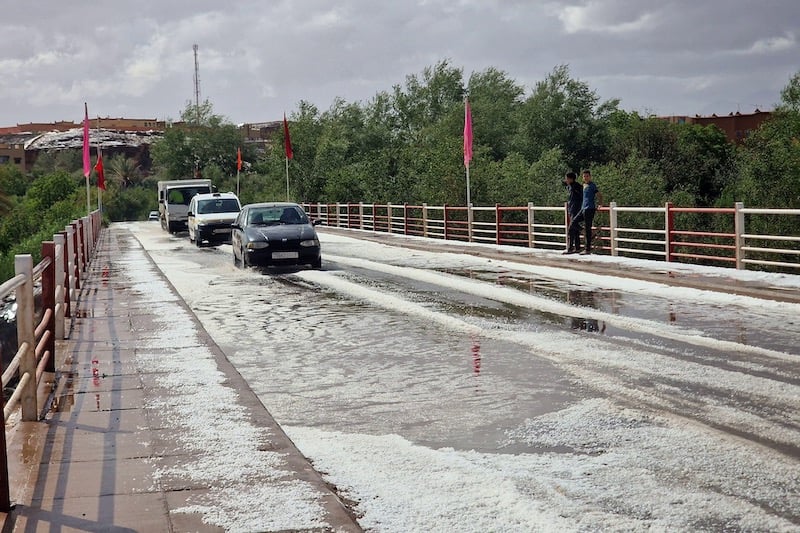
Recent rainfall and snowfall across southeastern Morocco have brought much-needed relief to drought-hit areas, boosting agriculture, livestock grazing and groundwater levels after years of water scarcity, farmers and officials said.
Heavy precipitation was recorded in several provinces, including Ouarzazate, Tinghir, Zagora, Errachidia and Midelt, easing the effects of prolonged drought that has strained farming communities and depleted aquifers in the region.
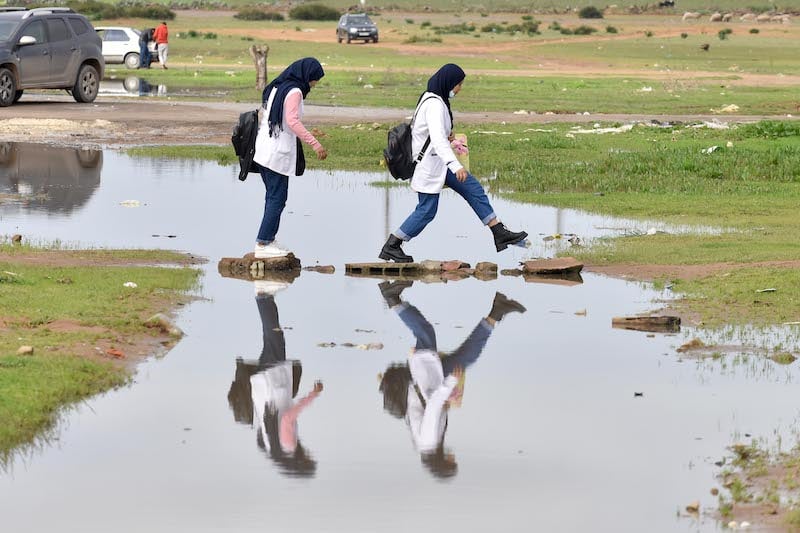
Farmers and livestock breeders said the rains have improved soil moisture and revived grazing lands, offering hope for a stronger agricultural season ahead. Many also reported a noticeable rise in groundwater levels, a critical factor for sustaining farming and rural livelihoods in the arid southeast.
“These rains are a blessing,” Abdellah Zahi, a farmer from Ouarzazate tells Hespress AR. “They have improved water conditions, and we hope to make good use of them to achieve a successful agricultural season.”
Professionals in the sector stressed, however, that the gains must be protected through better water management. Calls have intensified for preserving groundwater resources, expanding smart irrigation techniques and promoting drought-resistant crops, as agriculture remains the largest consumer of water in the region.
A regional official from the Ministry of Agriculture in Drâa-Tafilalet said the recent precipitation had strengthened groundwater reserves and improved overall farming conditions. “We are working to support farmers and livestock breeders to improve productivity and promote sustainable development,” the official said in a statement to Hespress AR.
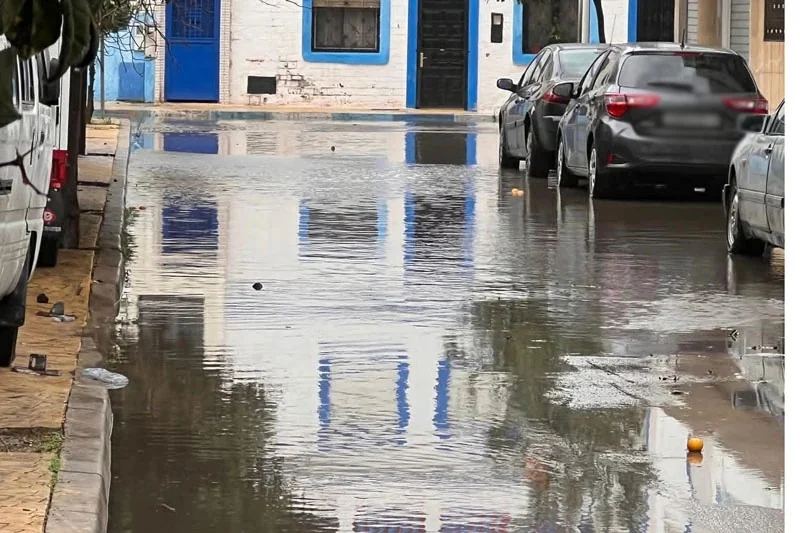
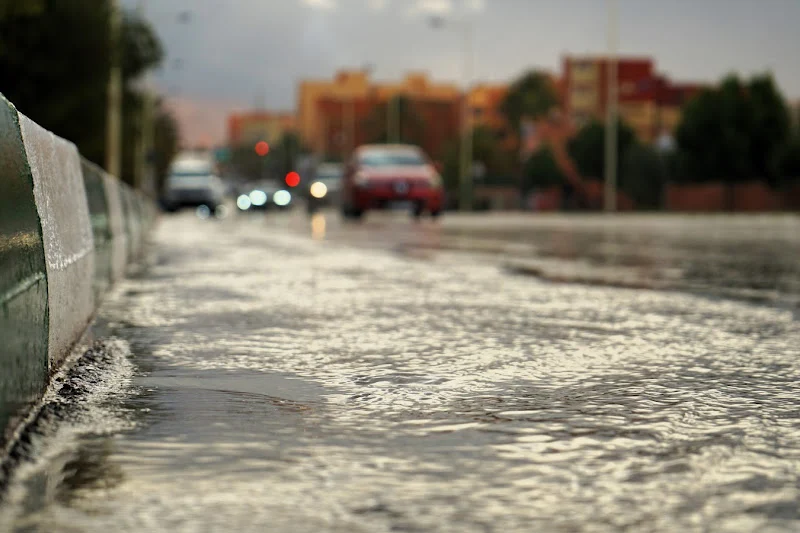
The positive agricultural impact comes despite significant infrastructure challenges caused by extreme weather. Equipment and Water Minister Nizar Baraka said storms between Dec. 12 and Jan. 7 disrupted traffic on more than 165 road sections due to flooding, landslides and rockfalls. Exceptional snowfall, reaching up to three meters in some areas, temporarily closed an additional 88 road sections spanning more than 2,400 kilometers.
Baraka said authorities mobilized heavy machinery and more than 800 personnel, including engineers, technicians and drivers, to reopen affected roads, particularly in Azilal, Midelt, Khénifra, Ouarzazate and Tinghir.
Environmental advocates welcomed the improved water situation but warned against complacency. Jamal Mouahidi, an environmental activist in Zagora province, said groundwater preservation must remain a priority. “This requires rational water use and wider adoption of smart irrigation, especially in agriculture,” he said, calling for stronger scientific research and coordination among government agencies, researchers and farmers.
Water officials in the Drâa-Tafilalet region described the recent precipitation as a turning point after years of drought, citing improved dam levels and renewed flow in rivers and seasonal streams. They urged authorities to curb water-intensive crops and adopt stricter conservation measures to safeguard aquifers amid ongoing climate change.
Farmers and herders across the region expressed optimism that the improved conditions will boost crop yields and livestock production, particularly milk and meat. Several also called for the construction of additional dams to ensure long-term water security.
The agency managing the Guir-Ziz-Ghris river basin said feasibility studies are underway to assess new dam projects aimed at strengthening water sustainability in southeastern Morocco.




add your comment
Terms of publication : Not to offend the writer, people, sacred things, or attack religions or the divine self, and refrain from racist incitement and insults.