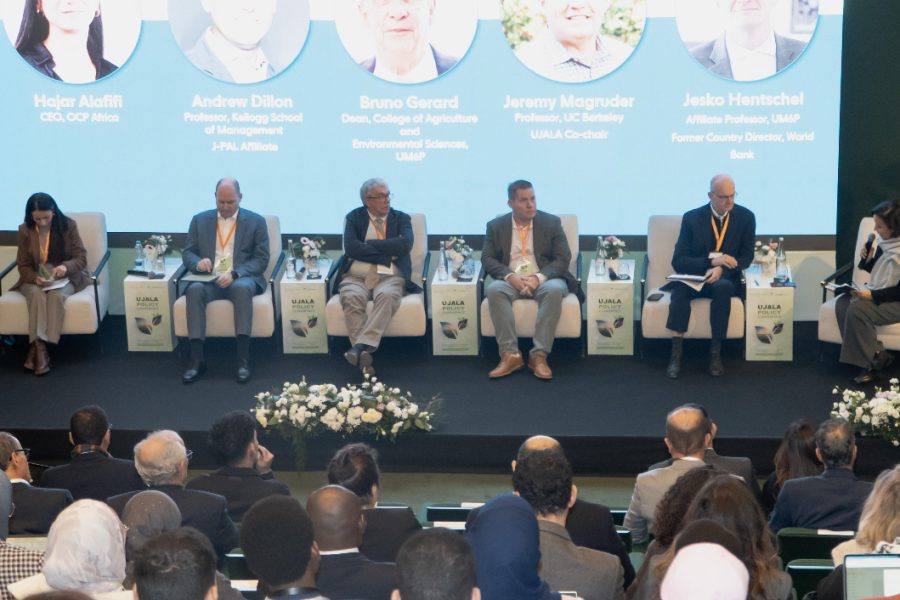
UM6P launched the Ujala Policy Conference on Monday, spotlighting efforts to make agriculture across Africa more productive, resilient, and sustainable.
The event brought together policymakers, researchers, and private-sector leaders to explore how innovation, research, and evidence-based approaches can deliver practical solutions for farmers and strengthen continental agricultural systems.
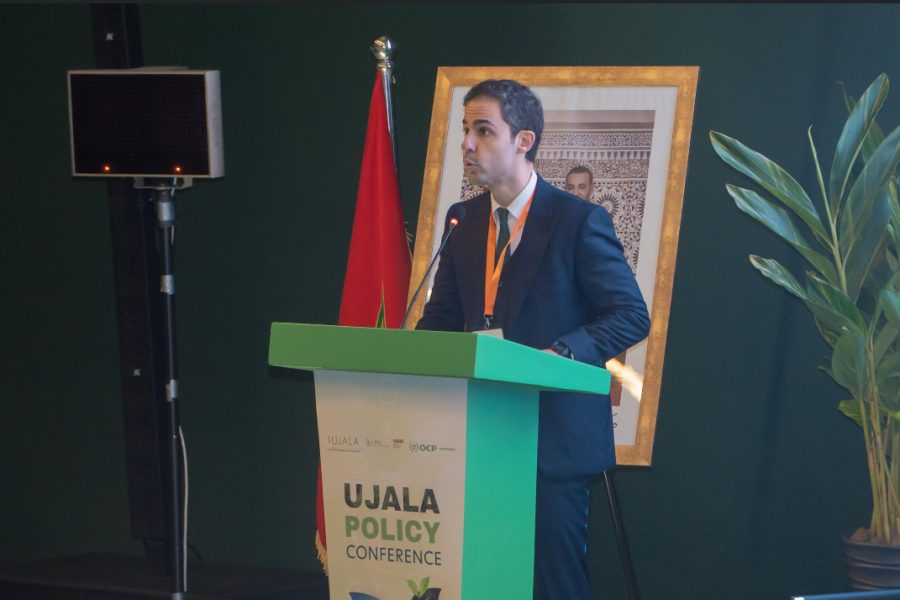
Hicham El Habti, representing UM6P, opened the conference by emphasizing the university’s mission to turn research into action.
“Our ambition is not only to produce research but to build ecosystems that convert knowledge into concrete solutions for agriculture,” he said.
UM6P’s initiatives include its College of Agriculture and Environmental Sciences, where teams focus on soil fertility, crop nutrition, water management, and sustainable production systems.
El Habti stressed that the agriculture of tomorrow must leverage digital tools. “That’s why we invest in data science, artificial intelligence, and behavioral sciences applied to agriculture,” he said. Programs such as the Digital Farming School in Benguerir aim to train professionals who can link data, technology, and agricultural decision-making in real African contexts.
Redouane Arrach, general secretary of Morocco’s Ministry of Agriculture, said the country is committed to resilient and sustainable agriculture.
“Adaptation and resilience are no longer optional; they are strategic imperatives,” he said, noting that agriculture is central to food security, social stability, and sustainable development in Morocco and across Africa.
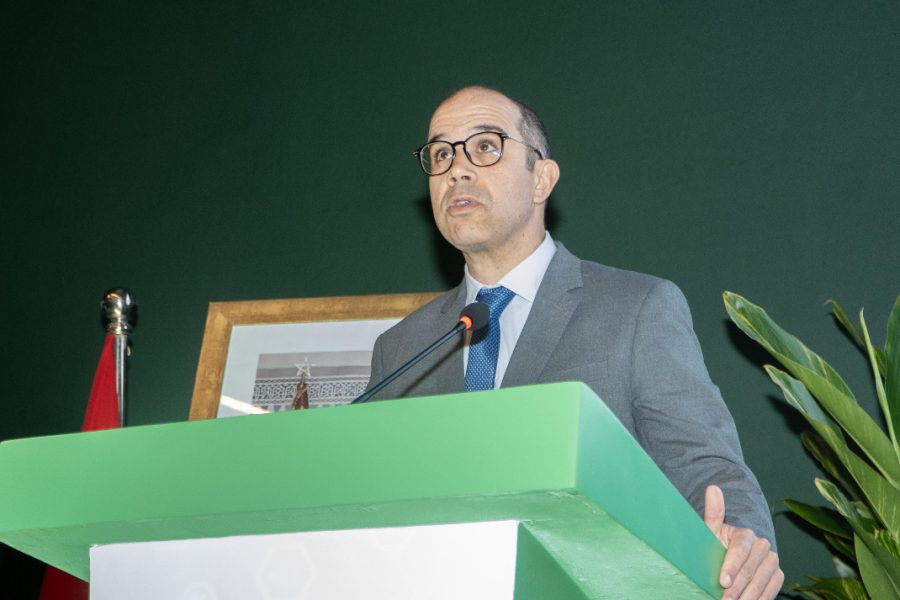
Arrach described the ministry’s approach to translating research into action. “The results of scientific research are turned into concrete solutions, tested in the field, and adapted to the realities of farmers,” he said. He cited programs such as direct seeding, developed over 40 years by the National Institute of Agronomic Research, which preserve soil fertility, improve water efficiency, and strengthen resilience in cereal-growing regions.
Youssef El Bari, chairman and CEO of OCP NutriCrops, said sustainable support for farmers begins with understanding their soils, crops, and decision-making context. His company focuses on fertilization strategies that match the right source, dose, timing, and placement to local conditions, enhancing nutrient efficiency and soil health.
El Bari emphasized that scaling agricultural programs requires continuous learning. “When these approaches are deployed at scale for hundreds of thousands — even millions — of farmers, we must link scientific knowledge, rigorous evaluation, and operational decisions,” he said.
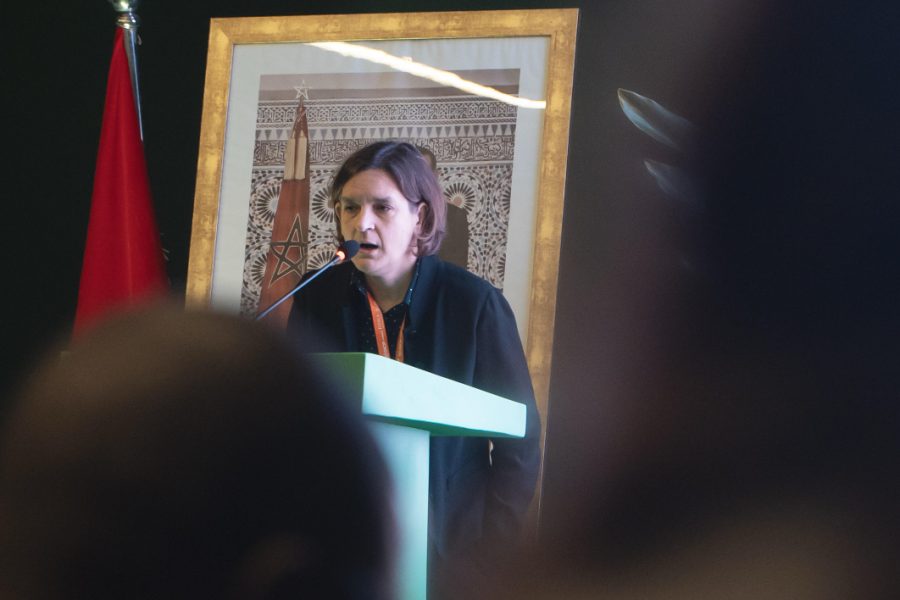
Tavneet Suri, Agriculture Sector chair at J-PAL and MIT professor, discussed the complexity of improving agricultural productivity. “There’s no single solution. Technologies only improve yields when farmers can afford them, trust their value, and have access to the right information,” she said, adding that climate risks, market dynamics, and local environments must all be considered when designing policies.
Suri highlighted the importance of long-term partnerships with implementers. “Applied labs like Ujala allow us to understand impacts in real-world conditions and build the evidence needed for policies that work across different African contexts,” she said.





add your comment
Terms of publication : Not to offend the writer, people, sacred things, or attack religions or the divine self, and refrain from racist incitement and insults.