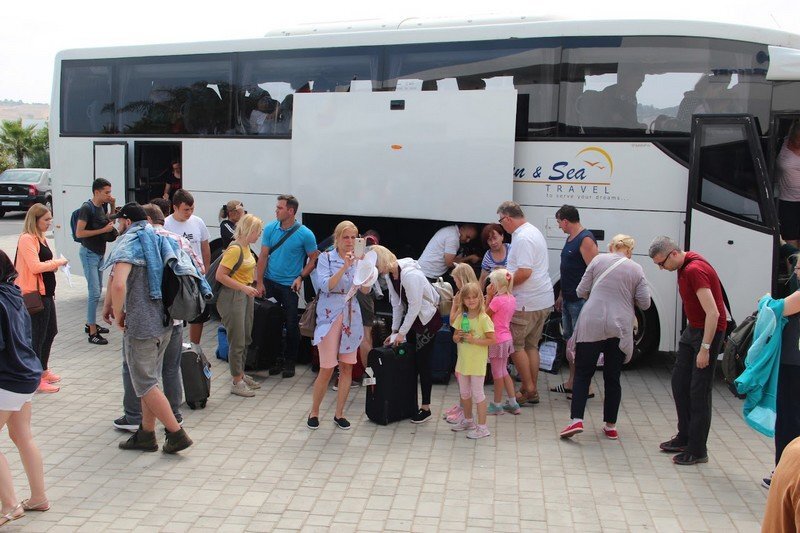
Foreign visitors to Morocco face common scams and misleading practices, especially in busy tourist hotspots like Marrakech and Fez, where crowded medinas, markets, and public squares make it hard for first-time travelers to tell what is genuine, according to a report by Backpack Moments.
The report says that Morocco remains a generally safe destination and that serious criminal fraud targeting tourists is limited.
Most problems, it says, involve small-scale exploitation rather than organized crime, often driven by tourists’ lack of familiarity with local prices, customs, and social norms.
One of the most frequent situations involves inflated prices in traditional markets. Tourists are commonly quoted prices far higher than the real value of goods.
Bargaining is part of everyday commerce in Morocco, and accepting the first price usually means overpaying.
While this practice is not illegal, the report notes that it can become exploitative when sellers rely on pressure, guilt, or embarrassment to force a purchase.
Misleading guidance inside old city centers is a recurring issue. Visitors may be told that a street, attraction, or shop is closed, only to be redirected to a different location where the person offering help receives a commission.
These encounters are especially common in medinas, where narrow streets and poor signage make it difficult for tourists to verify information quickly.
The report notes widespread confusion around product authenticity. Items such as argan oil, saffron, carpets, leather goods, gemstones, and even supposed fossils are often sold as rare or original when they are not.
Distinguishing authentic products from imitations usually requires technical knowledge that most tourists do not have, leaving them vulnerable to exaggerated claims and deceptive pricing.
Public squares present their own risks as well. In places like Jemaa el-Fna, animals including monkeys and snakes are sometimes used to attract tourists for photos.
In some cases, animals are placed on visitors without consent, followed by demands for payment. Tourists may also be charged simply for taking photos nearby.
Transportation is another common source of complaints. Some taxi drivers, particularly at airports or during late-night trips, refuse to use meters and charge well above official fares. The report warns against unlicensed ride services, which can expose tourists to legal issues and unexpected costs.
The report says that most negative experiences in Morocco involve minor financial losses rather than personal risk.








add your comment
Terms of publication : Not to offend the writer, people, sacred things, or attack religions or the divine self, and refrain from racist incitement and insults.