
Deadly floods in the coastal city of Safi have reignited debate in Morocco over the effectiveness of a law designed to compensate victims of catastrophic events, with legal experts warning that complex procedures and restrictive conditions limit access to aid.
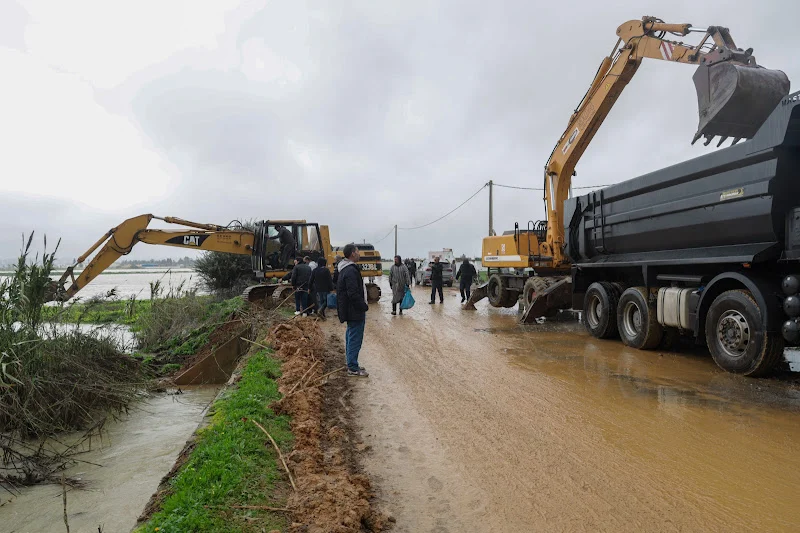
The flooding, triggered by heavy rainfall, killed dozens of people, injured many others and caused extensive material damage, prompting renewed scrutiny of Law No. 110.14, which established a national system to cover the consequences of catastrophic events.
Specialists argue that the legislation now requires reform to better reflect the range of human and material losses suffered by citizens and to ensure timely compensation for victims.
Ridouane Aamimi, a professor of administrative law at Mohammed V University in Rabat, described the eligibility conditions for uninsured victims seeking compensation from the Solidarity Fund Against Catastrophic Events as overly complex.
“The conditions set out by the law are complicated, as they require intervention by the head of government to declare an affected area a disaster zone and to determine the start and duration of the exceptional situation,” Aamimi told Hespress AR.
He added that bureaucratic procedures further limit access to compensation, which he described as modest and incomplete. The system, he said, excludes damage to commercial and professional activities, covering only primary residences, bodily injury and compensation for beneficiaries.
“We are faced with a classic administrative liability system combined with a solidarity-based mechanism burdened by significant legislative obstacles that complicate access to compensation,” Aamimi said. He called for a shift away from bureaucratic logic toward a faster and more flexible compensation framework, alongside a review of how territorial authorities manage risk and disaster preparedness.
Similar concerns were raised by Salah Eddine Halim, a researcher specializing in parliamentary affairs, who said Morocco’s legal framework for natural disasters is being tested by real-world implementation.
Halim noted that compensation under the solidarity system is funded through a mandatory parafiscal levy paid by individuals and entities subject to insurance contracts. However, he said procedural requirements undermine the law’s solidarity-based intent.
Under Article 6 of Law No. 110.14, the declaration of a catastrophic event is made by administrative decision, a power assigned to the head of government under implementing Decree No. 2.18.785. Halim pointed out that the decree requires confirmation of 504 consecutive hours, or 21 continuous days, of elevated water levels or flooding before such a declaration can be issued.
“This condition makes compensation for victims and their beneficiaries nearly impossible in cases like sudden floods,” Halim said, adding that it hampers proper implementation of the law.
He noted that several parliamentary groups have previously proposed amendments to Article 4 of the decree to ease conditions and revise Law No. 110.14 and related provisions of Morocco’s insurance code.




add your comment
Terms of publication : Not to offend the writer, people, sacred things, or attack religions or the divine self, and refrain from racist incitement and insults.