
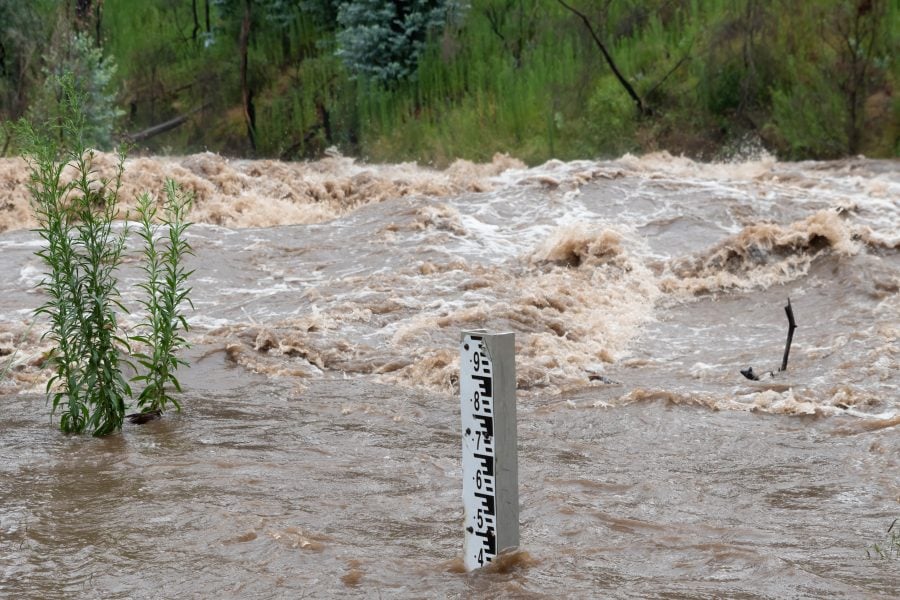
Flash floods that killed dozens of people in Safi have sparked a national debate over disaster preparedness in Morocco, pitting official accounts of an exceptional natural event against accusations of long standing planning failures.
Morocco’s Interior Ministry said Monday that at least 37 people were killed and others injured after sudden flooding swept through the Atlantic port city overnight, inundating about 70 homes and businesses and sweeping away vehicles.
Safi Mayor Ilyas El Badaoui said the disaster was driven by a surge in a local wadi that the area had not seen in nearly a century, describing the water volume as unexpected and too large to be controlled by any authority.
Speaking to Hespress, he said the floodwaters shifted the wadi’s course toward the Chaaba area, leading to deaths among men and women in the city.
El Badaoui said local authorities, working under the supervision of the provincial governor through a vigilance committee, were now seeking a dedicated route for the wadi to reduce the risk of a repeat.
He said officials were studying how to change the channel’s course to limit future losses of life and property.
Safi municipal councillor Mohamed Zinoun blamed what he described as failures by the vigilance committee, which he said is legally chaired by the provincial governor, arguing that precautionary measures were not put in place before the floods.
He told Hespress that the committee normally meets twice a year, including in November, to adopt preventive steps, and said those steps were not taken this season despite the city’s topography and the wadi cutting through built up areas.
Zinoun also said the channel is typically cleared of waste ahead of heavy rains, and alleged that it was not cleaned this year, contributing to the water’s change in direction once the surge arrived. He further alleged that construction works blocked outlets that normally allow runoff to reach the sea, trapping water and pushing levels to about 6 meters, which he said flooded shops and homes.
Authorities said the flooding followed about an hour of intense rainfall, and rescue operations continued as roads were cut in parts of the province.
Civil society and rights activists said the deaths and damage in Safi and other parts of Morocco exposed gaps in development and risk management, calling for planning that treats public safety and secure living conditions as core rights and for greater transparency in how program budgets are spent. They urged wider use of tools such as geographic information systems and artificial intelligence to support anticipatory urban planning.
Adil Chikito head of the Moroccan League for the Defense of Human Rights, said environmental hazards become mass casualty events when protective infrastructure is weak and policy relies on reaction rather than prevention.
Environmental activist Jamal Akchbab said Safi’s role as a major industrial hub has not translated into resilient drainage and flood protection, and argued that accountability for repeated disasters should extend beyond weather conditions.






add your comment
Terms of publication : Not to offend the writer, people, sacred things, or attack religions or the divine self, and refrain from racist incitement and insults.