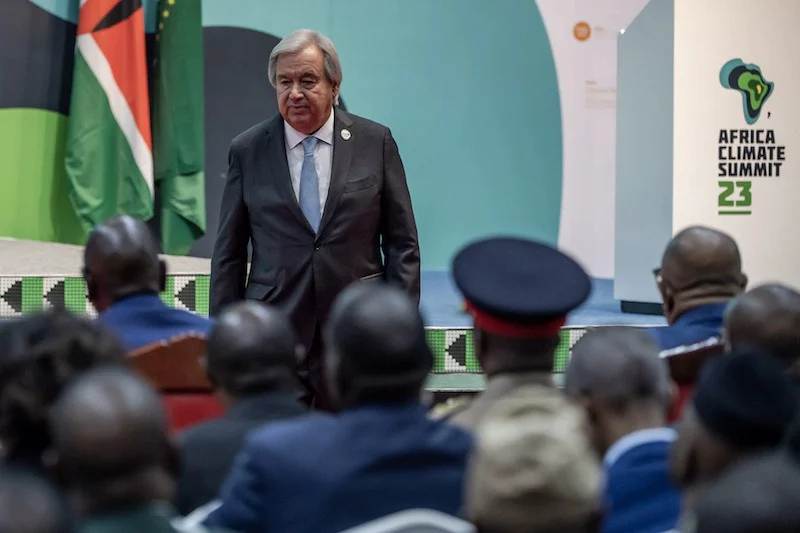
The United Nations is entering a decisive phase as Secretary-General António Guterres approaches the end of his mandate on Dec. 31, 2026, prompting heightened international attention to the succession process and its implications for global crises, including the Sahara dispute.
Guterres’ final years have seen significant shifts in how the UN handles the Sahara file, with interim reports, mediation proposals and renewed efforts to maintain dialogue among the parties. The issue has remained central to Morocco’s foreign policy as the UN seeks to keep channels open and prevent escalation.
Several candidates have already emerged for the UN’s top post, including former Chilean president Michelle Bachelet; Costa Rican economist Rebeca Grynspan, secretary-general of UNCTAD; and Rafael Grossi of Argentina, director-general of the International Atomic Energy Agency.
According to UN procedures, the final choice will depend on agreement among the five permanent members of the Security Council, followed by approval from the General Assembly. The process remains largely confidential despite recent transparency measures, including public vision statements and disclosure of campaign funding.
Morocco is watching the succession closely, given Guterres’ role in steering the Sahara dossier and his support for maintaining stability through a political process based on Morocco’s autonomy plan.
The upcoming contest carries added symbolism as many UN member states push for the first woman to lead the organization. The candidacies of Bachelet and Grynspan reflect that momentum amid broader calls to strengthen women’s leadership in global governance.
Analysts: Guterres leaves a complex legacy
Abdelfattah Belamchi, president of the Moroccan Center for Parallel Diplomacy and Dialogue of Civilizations, said Guterres’ tenure was marked by overlapping crises, from armed conflicts to the fallout of COVID-19.
Belamchi told Hespress that the secretary-general adopted a pragmatic approach centered on expanding mediation and reinforcing UN presence in conflict zones. He said Guterres prioritized development as a pathway to stability — a shift that has shaped UN operations in an era of shifting geopolitical power.
Belamchi noted an increased UN focus on the Sahara issue in recent years, including regular reports and initiatives aimed at maintaining communication among the parties. He said Guterres’ handling of the 2020 Guerguerat crisis helped secure freedom of movement between Morocco and Mauritania and reduce tensions.
But he also said the moment reveals “the limits of international law” as global power balances evolve, with growing calls for Security Council reform to include countries such as Japan, Germany and African states.
After Guterres: A pivotal moment for the UN and the Sahara
Belamchi added that Morocco maintains balanced relations with all international officials and that any future secretary-general will engage with the kingdom “in line with mutual respect and recognition of its regional and international standing.”
He said the coming leadership must adapt to geopolitical shifts while preserving the UN’s role as a multilateral security mechanism.
Human rights advocate: A ‘unique Opportunity’ after resolution 2797
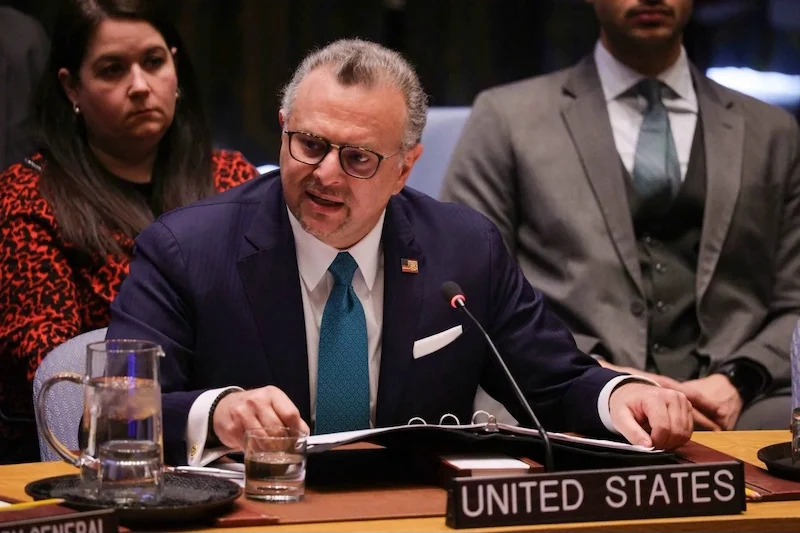
Abdelwahab El Kain, president of Africa Watch and deputy coordinator of the Sahrawi NGO Alliance, said the year is ending with two major developments: the launch of the process to choose Guterres’ successor, and the Security Council’s adoption of Resolution 2797.
Resolution 2797 endorses Morocco’s 2007 autonomy plan as the “most realistic and credible” basis for a negotiated settlement — language El Kain described as a “real turning point” in the decades-old dispute.
He said the leadership transition presents a “unique opportunity” to advance the political process, provided the new secretary-general adopts a balanced diplomatic approach that accounts for regional interests, major-power dynamics and human rights standards.
El Kain said 2025 will be a “pivotal year” for the UN transition and the Sahara dossier, citing the joint letter issued by the Security Council and General Assembly on Nov. 26, 2025, formally launching the selection procedure.
Shift toward internal self-determination
He argued that Resolution 2797 has reframed the legal landscape, moving the debate from traditional external self-determination toward an internal model based on autonomy under Moroccan sovereignty. He said Sahrawi civil society groups have long supported this approach as a way to ensure rights, political inclusion and cultural protections.
A new UN leadership, he added, could help ease major-power competition over the issue and reinforce international commitment to the current political track.
El Kain said the Sahrawi NGO Alliance strongly backs the momentum created by Resolution 2797, calling it a modern interpretation of self-determination rooted in rights guarantees, transparency and accountability “within the sovereign Moroccan state.”
He concluded that the transition at the top of the UN will test the organization’s ability to deliver tangible progress on the Sahara and offer a realistic path toward a consensual solution combining sovereignty, autonomy and human rights.



add your comment
Terms of publication : Not to offend the writer, people, sacred things, or attack religions or the divine self, and refrain from racist incitement and insults.