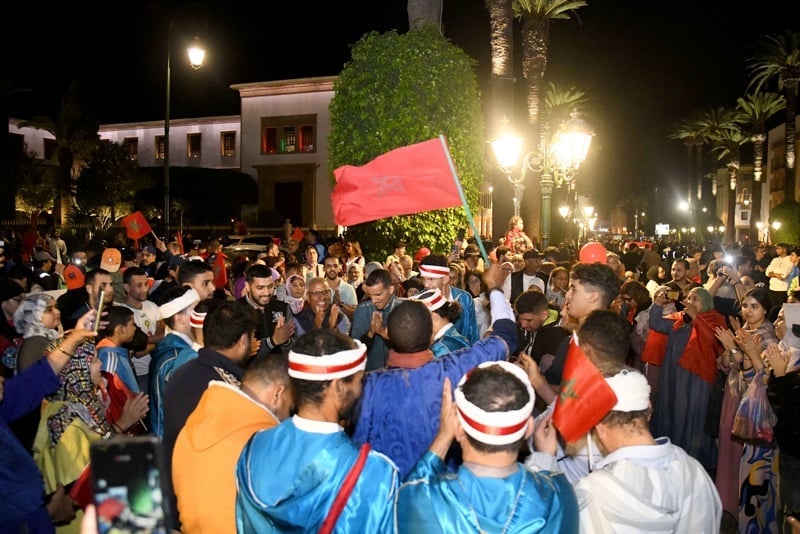
A new analysis by the Atlantic Council describes the recent U.N. Security Council vote on Morocco’s autonomy plan for the Sahara as a “diplomatic Green March,” drawing a parallel to the 1975 mass mobilization that preceded Morocco’s takeover of the territory from Spain.
The Washington-based think tank said Morocco is experiencing conditions similar to those of five decades ago, citing what it called a series of coordinated diplomatic gains that have shifted international dynamics around the conflict.
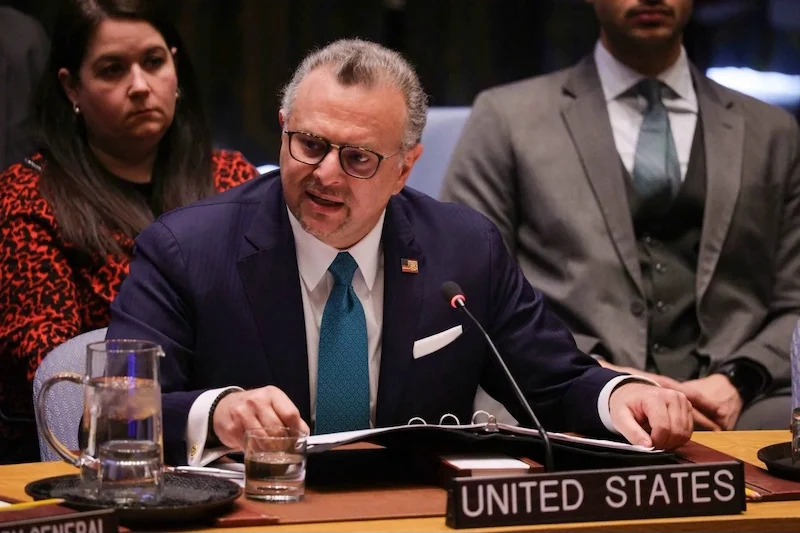
According to the analysis, the latest Security Council resolution represents a break from what it described as the international community’s long-standing effort to balance Moroccan and Algerian positions. The text backs Morocco’s autonomy initiative as the basis for negotiations, while rejecting options such as partition or a referendum on independence.
The report attributes the U.N. shift in part to rising international support for Rabat since 2020, when the United States recognized Moroccan sovereignty over the Sahara and said it viewed autonomy as the only workable path. France and Spain later endorsed the plan, followed by the United Kingdom, Belgium, Israel and several Arab, African and Latin American states. Many of those countries have opened diplomatic offices or launched investments in the territory.
The analysis says U.S. officials have been more directly involved in the Sahara diplomacy, including senior-level mediation and discussions over opening a consulate in the southern city of Dakhla.
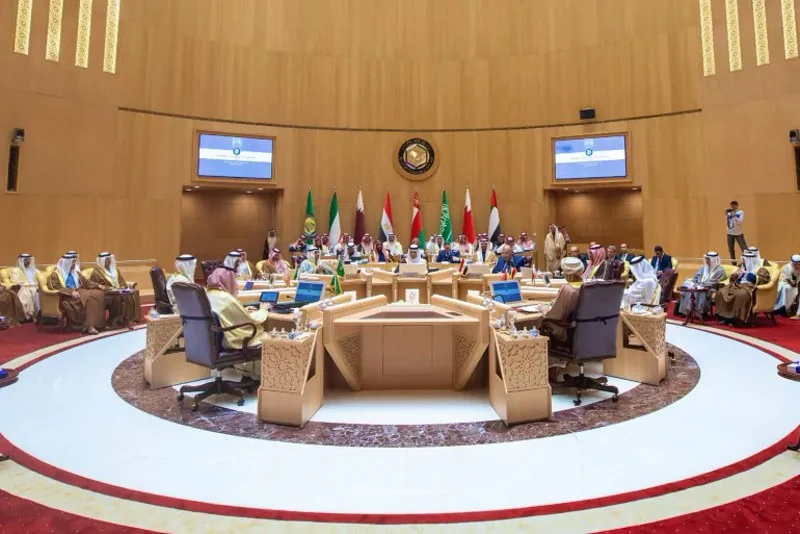
The United Arab Emirates has also backed the U.S.-drafted resolution, the report said. UAE President Mohamed bin Zayed, who the analysis notes took part in the original 1975 march as a young man, has strengthened ties with Morocco in recent years through major investments and by becoming the first Arab leader to open a consulate in Laayoune.




add your comment
Terms of publication : Not to offend the writer, people, sacred things, or attack religions or the divine self, and refrain from racist incitement and insults.