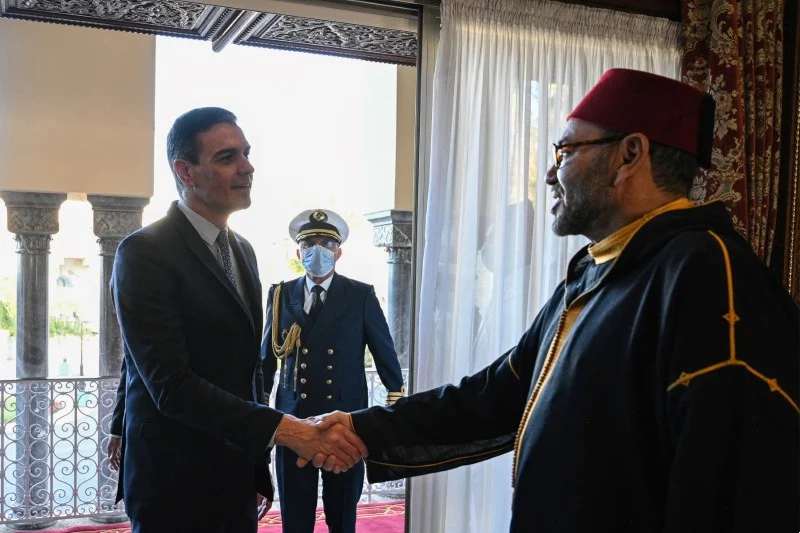
A Spanish government-commissioned study by Herrenknecht, the German world leader in tunnel-boring technology, has confirmed that the Morocco-Spain tunnel is technically possible, though extremely complex, according to Spanish media.
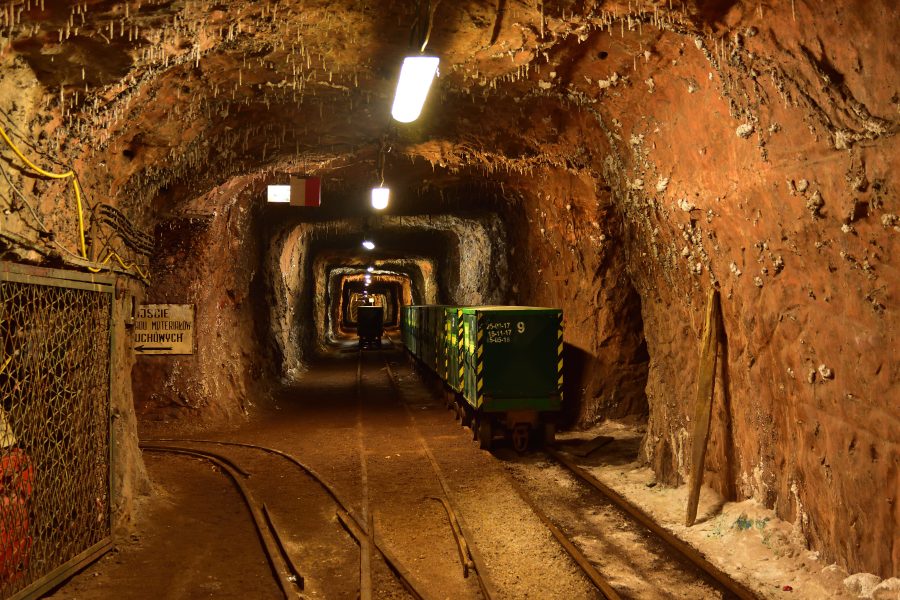
The feasibility study looked closely at the most challenging sections, particularly under the Camarinal Threshold, where difficult geological conditions have long been a concern.
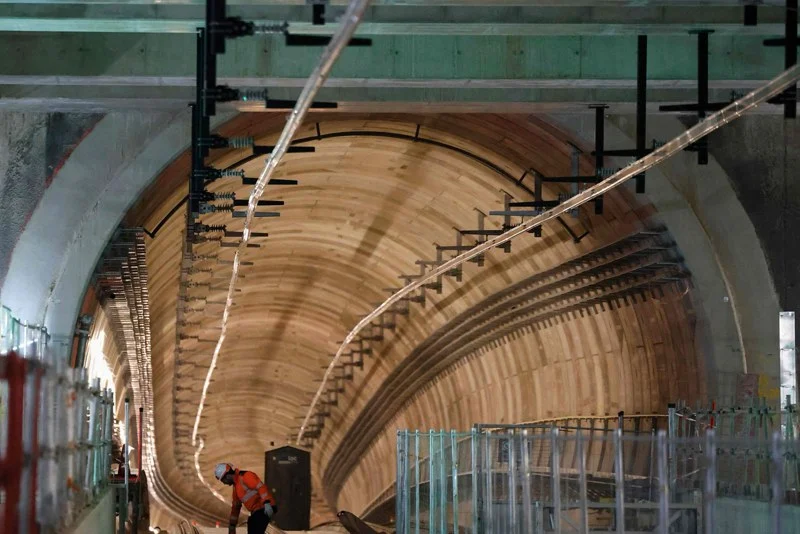
Herrenknecht concluded that the technology needed to build the tunnel already exists, paving the way for a first exploratory tunnel. Spain and Morocco are reportedly aiming to make a final decision on a tender for this initial tunnel by 2027.
Officials estimate that constructing the exploratory tunnel, which would form part of a twin-tube design, could take six to nine years.
The Spanish section alone would stretch around 40 kilometers, with a total length of roughly 65 kilometers. Plans show the Spanish terminal near Vejer de la Frontera, connecting to the Cádiz-Seville railway line.
The overall cost for Spain’s portion, including tunnels, terminals, facilities, and contingencies, is estimated at over €8.5 billion, with part of the funding likely coming from European Union support.
The project has a long history, dating back to the 19th century, with the first official Spain-Morocco agreement signed in 1979. Decades of studies and public investment followed, though funding slowed in the 2010s.
Since 2021, European Recovery Funds have helped revive the initiative, and the government under Pedro Sánchez has actively accelerated it, especially after recent political shifts regarding the Moroccan Sahara.
Secegsa, the Spanish agency overseeing the project, and its Moroccan counterpart have been studying similar large-scale tunnels, like Norway’s Rogfast, to learn lessons for this venture. Parallel research on seismic activity and the seabed is underway with the U.S. Geological Survey.
Beyond the engineering challenge, the tunnel is seen as a historic opportunity to strengthen the Iberian Peninsula’s role as a transport hub between Europe and Africa, while enhancing freight, passenger, and energy connections across the Mediterranean.
If all goes as planned, early construction could begin by 2030, coinciding with the Spain-Morocco FIFA World Cup, though realistic milestones may stretch into the 2035–2040 timeframe.



add your comment
Terms of publication : Not to offend the writer, people, sacred things, or attack religions or the divine self, and refrain from racist incitement and insults.