
Moroccan officials inaugurated a series of projects aimed at boosting the handicrafts and social economy sectors in Dakhla as part of celebrations marking the 50th anniversary of the Green March, state media reported.
Lahcen Saadi, Secretary of State for Handicrafts and the Social and Solidarity Economy, oversaw the launch of the Specialized Institute for Handicraft Arts in Dakhla (ISAT), a new educational center designed to train young people in traditional crafts and technical skills.
The institute, which has a capacity of 180 students, features modern classrooms, specialized workshops, exhibition halls, multimedia rooms, and facilities for continuing education. Programs cover a range of disciplines, including jewelry making, sewing, embroidery, weaving, mechanics, and refrigeration, using both structured and modular training approaches.

The center is equipped with advanced pedagogical and technical tools to enhance practical training and prepare students for labor market demands. A student reception center, staff housing, sports facilities, and social services areas were also inaugurated to improve living and learning conditions.
During the visit, a partnership agreement was signed between the Secretary of State’s office and the Dakhla-Oued Eddahab Handicrafts Chamber to preserve endangered traditional crafts under the “Moroccan Craft Treasures” program. The initiative aims to document, promote, and transmit intangible cultural heritage to future generations through specialized training programs.

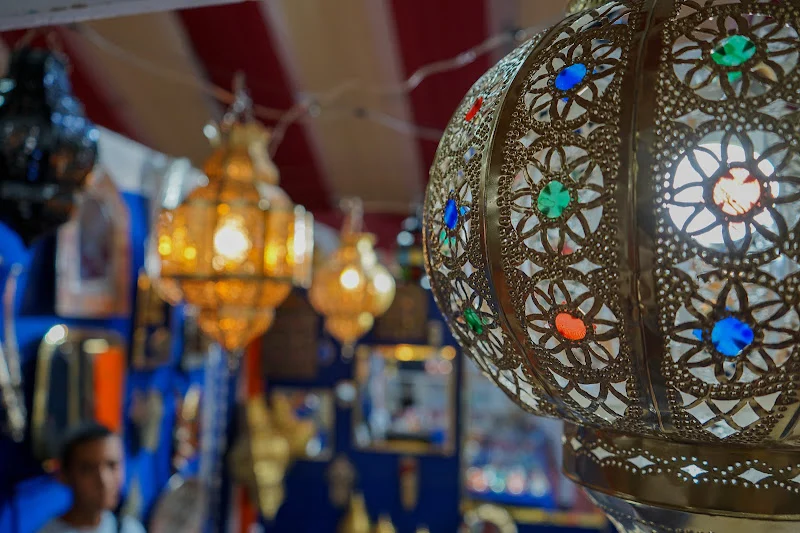
Saadi also opened the first Regional Social and Solidarity Economy Fair, running from Nov. 7 to 13, which brings together roughly 120 local and national cooperatives and associations. The event serves as a platform for knowledge exchange, marketing, and showcasing innovative products, while offering workshops to develop skills in marketing, management, and collaboration.
Experts said the projects reflect Morocco’s integrated strategy to develop Dakhla-Oued Eddahab as a model hub for handicrafts, social economy, and human capital investment, in line with the royal vision for sustainable economic and cultural development in the southern provinces.
“These initiatives support local products, empower youth and women, and contribute to building a cohesive and sustainable Moroccan economy,” the Secretary of State said, highlighting the government’s commitment to fostering creativity, solidarity, and entrepreneurship in the region.




add your comment
Terms of publication : Not to offend the writer, people, sacred things, or attack religions or the divine self, and refrain from racist incitement and insults.