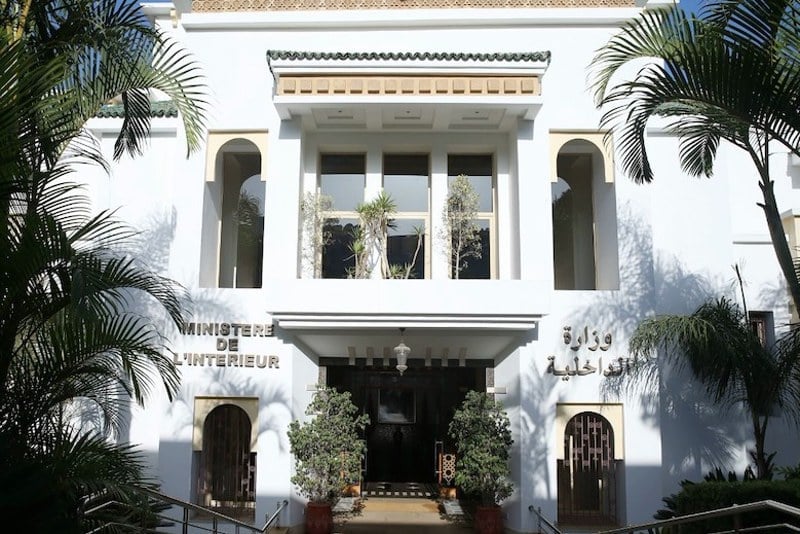
Morocco’s Interior Ministry has ordered local and regional authorities to refocus their 2026 budgets on social priorities, job creation, and sustainable water management, signaling tighter central oversight at a time of economic uncertainty and climate stress.
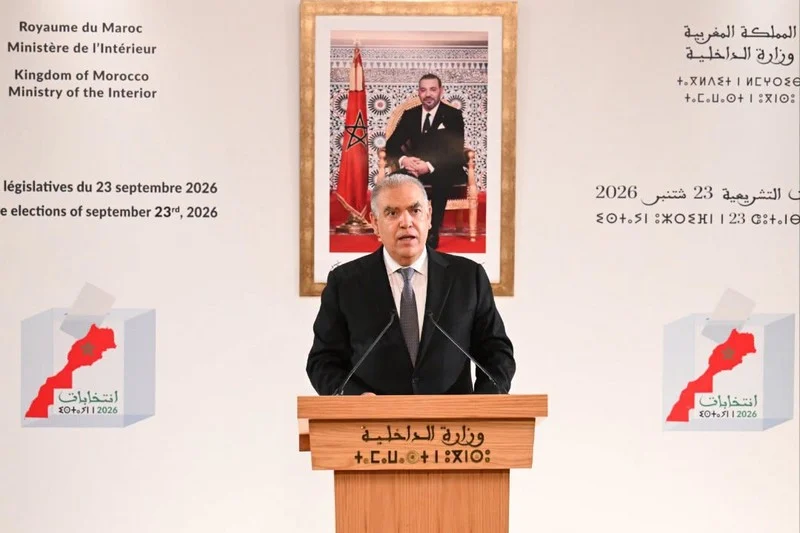
In a circular dated October 6, 2025, and addressed to walis, governors, and local budget officers, Interior Minister Abdelouafi Laftit urged officials to direct budgets toward projects that have a concrete and visible impact on citizens’ daily lives.
The document calls for pragmatic and credible financial planning centered on employment, essential public services, and drought mitigation.
The guidance reflects growing anxiety inside the government over local fiscal management and the gap between rising spending and modest social returns.
According to the High Commission for Planning (HCP), territorial budgets have expanded by nearly 40 percent over the past five years, driven by state transfers and infrastructure commitments.
Yet social disparities remain stubborn: unemployment among young people stands at 35.8 percent, and access to public services still varies sharply between regions.
The ministry’s circular lays out four priority areas for the coming fiscal year. First, supporting local employment and income-generating activities.
Second, reinforcing social services, particularly in health and education, which continue to show uneven performance.
Third, implementing preventive and sustainable water policies as Morocco endures one of its most severe drought cycles in decades. And fourth, promoting territorial planning consistent with major national programs such as “Generation Green” and “Water Plan 2050,” aimed at reducing regional inequalities.
Laftit also pressed for stricter discipline in how local funds are spent, warning against “superfluous expenses,” including vehicle purchases, ceremonies, and non-essential infrastructure. Budgets, the circular says, must transition from a logic of administration to a logic of performance, based on measurable impact and results.
The ministry further demanded that regional authorities adopt three-year financial frameworks aligned with realistic revenue forecasts and that they rigorously vet municipal budgets before approval.
Local governments are expected to strengthen oversight of associations receiving subsidies and to track how public funds affect citizens’ well-being.
The directive arrives as Morocco’s public finances face competing pressures, with heavy investments in renewable energy, water infrastructure, and social protection programs, alongside the lingering effects of inflation and weak rainfall.





add your comment
Terms of publication : Not to offend the writer, people, sacred things, or attack religions or the divine self, and refrain from racist incitement and insults.