
Morocco’s ombudsman Hassan Tarik has warned that the relationship between citizens and the state’s administrative system is becoming increasingly strained, as mounting social tensions expose weaknesses in public service delivery, particularly in the health sector.
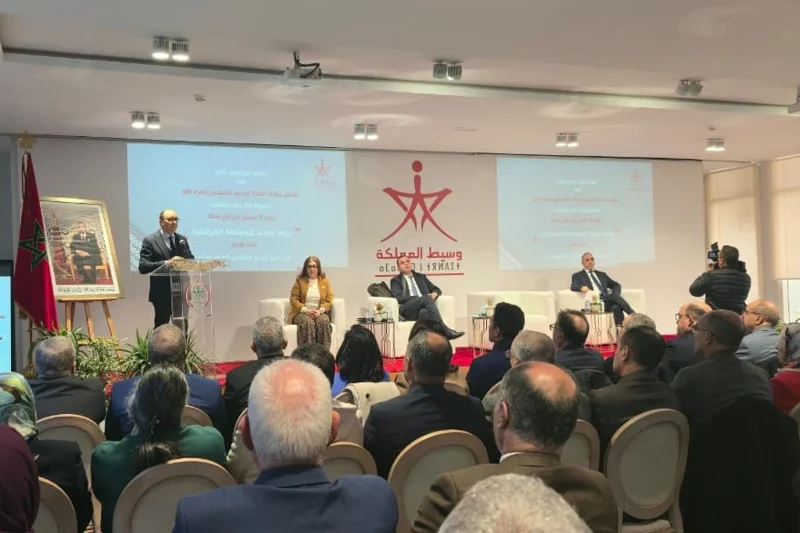
Speaking to Hespress on the sidelines of the launch of a new cycle of “Public Governance Forums” dedicated this year to public health services, Tarik said the initiative comes amid a “widening social dynamic” that first emerged in Agadir weeks ago.
The growing unrest, he added, shows that healthcare “is no longer just on the agenda of the public actor, but also firmly on that of society.”
Tarik described the shift as a “deep transformation” in how citizens relate to the administration. “We would be in denial of reality if we ignored this,” he said. “The relationship is no longer a traditional bureaucratic link but one between social demand and a limited public offer.”
This tension, he warned, often turns minor administrative dysfunctions into full-scale protests. The ombudsman’s institution has released an analytical report concluding that unresolved service grievances increasingly risk “sliding into social unrest.”
Tarik explained that the new program was born of two motives: first, a practical one, given the large number of citizen complaints about healthcare, including poor reception, lack of equipment, and weak communication with public hospitals; and second, a legal one, rooted in the institution’s constitutional mandate to defend citizens’ rights and oversee state accountability.
He said the ombudsman’s office, as a constitutional and independent authority, aims to strengthen administrative governance and quality of service through its capacity to advise the government and Parliament on reforms affecting citizens’ access to public services.
The new forums, Tarik added, are designed around the same participatory model as the “Equality Administration” project, with an emphasis on listening to young people, civil society, and local actors to enrich the institution’s policymaking role.
He argued that building an effective “propositional force” requires combining institutional expertise with societal dialogue. “An institution like the Ombudsman’s Office, which stands at the heart of participatory democracy, must remain anchored in openness, listening, and cooperation,” he said.
The forums, Tarik confirmed, will focus this year on public health governance, a sector he described as “symbolic of the new fault lines between citizens’ expectations and state capacity.” Traditional notions of mediation, he said, once limited to simplifying procedures or improving proximity, now demand broader, more integrated approaches.
In a statement, the Ombudsman’s Office announced that digital platforms will also be opened to collect public feedback and ideas on improving the governance of Morocco’s healthcare system. The goal, it said, is to make citizen participation, especially from youth and civil society, “a democratic exercise in co-managing public dialogue around policy.”



add your comment
Terms of publication : Not to offend the writer, people, sacred things, or attack religions or the divine self, and refrain from racist incitement and insults.