
A growing number of Moroccan farmers have recently relocated their agricultural investments to African countries, particularly Mauritania and Senegal, according to professional sources.
The move comes as Morocco has imposed restrictions on the export of certain agricultural products to secure domestic supply and stabilize prices.
While many Moroccan consumers have welcomed the measures as necessary to protect purchasing power, producers and exporters warn of serious economic repercussions.
They argue that the domestic market alone cannot cover rising production costs, raising fears of a permanent loss of African markets. Consumer rights advocates, meanwhile, stress the need for a balance between exports and local supply, to ensure affordable prices while maintaining a vital source of foreign currency.
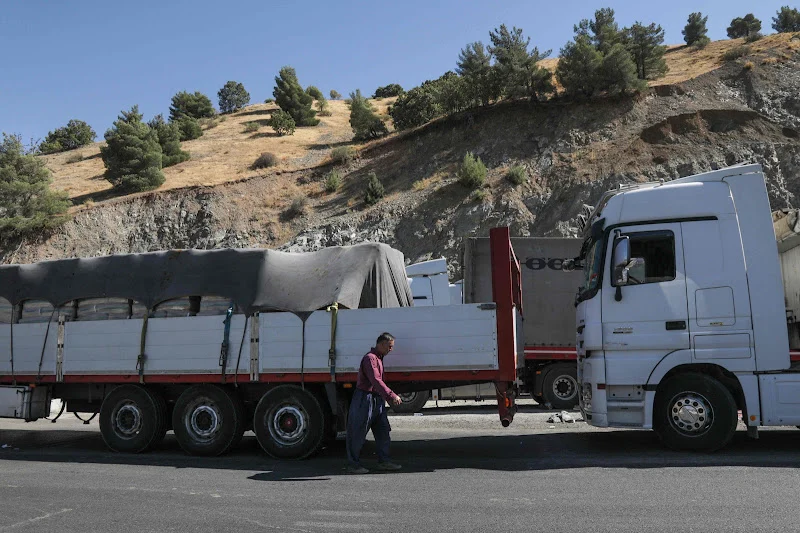
Mohamed Zemrani, president of the Moroccan Association of Exporters to Africa and Abroad, said Morocco is increasingly seen as an “unreliable supplier” by several African countries. “Exports of vegetables and fruit to African markets have dropped by nearly 70 percent,” he told Hespress, noting that sudden bans on potatoes, onions, tomatoes and carrots undermined Morocco’s credibility with partners.
“Mauritania, once a key customer, now imposes customs duties exceeding 30,000 dirhams per truck,” he added.
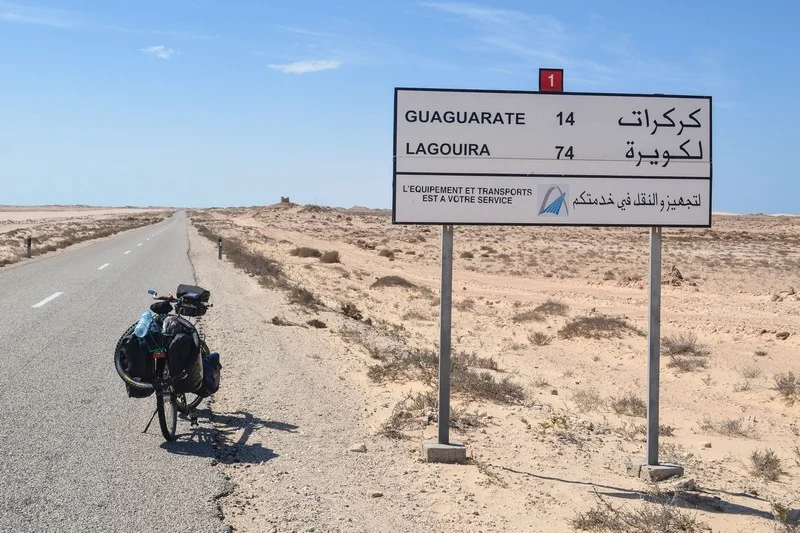
Zemrani explained that the restrictions, imposed without prior consultation by the independent agency in charge of export monitoring, have forced Moroccan exporters to shift operations abroad. Farmers are now establishing production bases in Mauritania and Senegal, with possible expansion to other African markets if the situation persists. Combined with logistical challenges at the Guerguerat crossing and soaring input costs, the measures have inflicted heavy losses, he warned.
Consumer rights advocates take a different stance. Bouazza Kharrati, president of the Moroccan Consumer Rights League, said the law on price freedom and competition gives authorities the right to prioritize domestic supply in times of crisis. “If production exceeds local demand, the surplus should be exported to generate foreign currency,” he argued, pointing out that over 23 percent of produce is wasted before reaching consumers.
Kharrati emphasized that exports must not come at the expense of Moroccan households. “Consumers have a right to affordable vegetables, but exports remain an important pillar of the national economy,” he said. He noted that most exports to Africa are carried out by intermediaries seeking profit rather than farmers themselves.







add your comment
Terms of publication : Not to offend the writer, people, sacred things, or attack religions or the divine self, and refrain from racist incitement and insults.