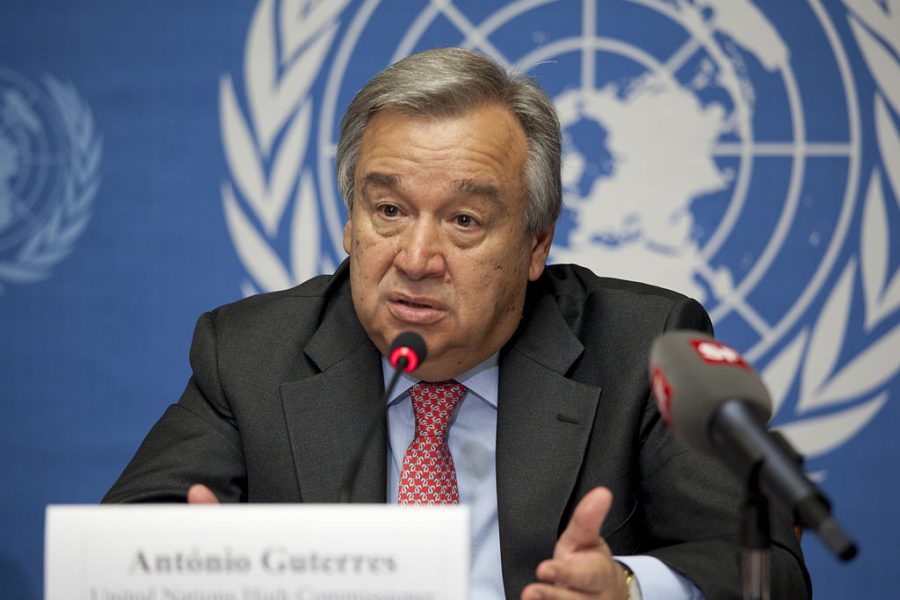
Sources from the Regional Human Rights Commission in Laayoune-Sakia El Hamra has criticized the latest annual report of UN Secretary-General António Guterres to the General Assembly, saying it leans more toward politics than an objective assessment of the human rights situation in Morocco’s southern provinces.
The report covers the period from July 1, 2024, to June 30, 2025.
Speaking to Hespress, the source noted that Guterres’s recent reports have failed to acknowledge the work of the National Human Rights Council (CNDH) and its regional commissions in the Sahara, recognition that now appears only in UN Security Council resolutions.
The source suggested the omission reflects a political direction, with the report’s language used as pressure on Morocco to make concessions by wielding the human rights issue.
The official argued that evaluations of rights in the Sahara are already produced by credible organizations and diplomatic missions, while the Secretary-General’s report adopts a political tone.
He emphasized that Security Council resolutions continue to praise the work of the CNDH offices in Laayoune and Dakhla and Morocco’s cooperation with UN human rights mechanisms.
On restrictions affecting foreign activists, the source said those barred were political actors rather than genuine rights defenders, stressing Morocco’s sovereign right to refuse entry to individuals seeking to destabilize or bypass legal procedures.
He added that lawyers, parliamentarians and journalists must coordinate with Moroccan institutions before carrying out activities in the Sahara, in line with international practice.
The contested UN report stated that the absence of “independent, impartial, comprehensive and sustained” monitoring remains a major obstacle to assessing rights in the Sahara.
It claimed international observers, including parliamentarians, researchers, journalists and lawyers, continued to face entry restrictions, and alleged Moroccan authorities curtailed pro-independence demonstrations, particularly impacting Sahrawi women activists.
The Moroccan rights official countered that regional commissions respond objectively to all complaints, follow cases through to resolution and ensure protection of fundamental freedoms, underscoring the national framework already in place.




add your comment
Terms of publication : Not to offend the writer, people, sacred things, or attack religions or the divine self, and refrain from racist incitement and insults.