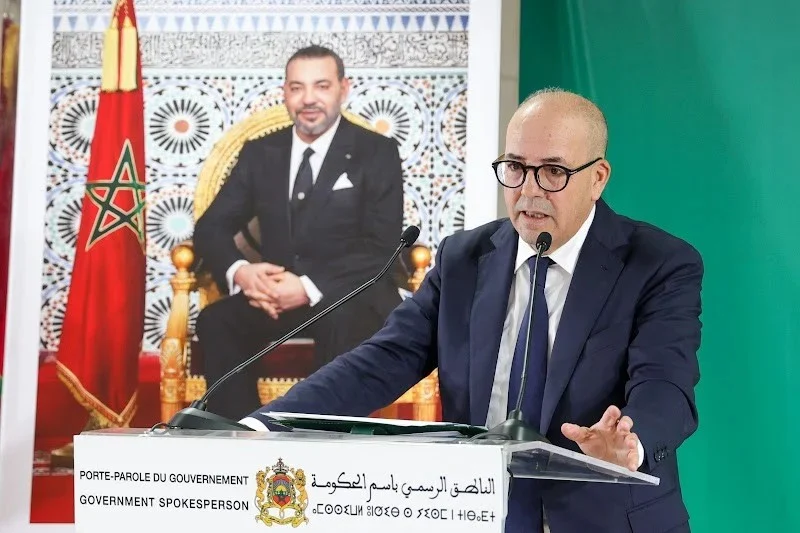
Morocco’s agriculture minister said Thursday that King Mohammed VI’s decision to suspend traditional animal sacrifice played a decisive role in protecting the country’s livestock during years of drought.
Speaking at a press conference following the weekly government council meeting, Agriculture, Fisheries, Water and Forests Minister Ahmed El Bouari said the measures preserved about 3 million female animals, strengthening the national breeding stock, while 3.5 million male sheep remained available for the red meat market.
During the last Eid al-Adha, only about 3.5 million male sheep and goats were available, he said, compared with typical demand of more than 6.5 million.
A recent nationwide census showed Morocco’s livestock population has risen to 32.8 million animals across 1.2 million breeders. The tally includes 23.1 million sheep, 7.4 million goats, 2.1 million cattle and about 106,000 camels. Despite the overall increase, cattle and camel numbers remain roughly 30% below usual levels, El Bouari said.
The census also recorded 9.4 million new births since the previous count, including 6.4 million animals under six months old. The core breeding herd of females older than a year now totals 14 million.
El Bouari credited royal initiatives since 2022 with helping breeders withstand prolonged drought and safeguard the herd, noting that improved climate conditions earlier this year further boosted recovery.
The census, conducted from June 26 to Aug. 11, covered all provinces and relied on detailed questionnaires entered into a central database, the minister said. About 39,000 officials participated in the effort, working through nearly 2,900 local committees.
El Bouari praised breeders, authorities and field teams for their “full mobilization,” which he said ensured comprehensive coverage and accurate data to guide future livestock policy.




add your comment
Terms of publication : Not to offend the writer, people, sacred things, or attack religions or the divine self, and refrain from racist incitement and insults.