Morocco is set to gain a trade edge in Europe as the European Union rolls out strict anti-deforestation rules later this year, with the North African country classified as “low risk” under the new regulation.
The law, which takes effect in December, will require companies to prove that imports of beef, coffee, cocoa, soy, palm oil, rubber and wood are not linked to deforestation. Out of 195 countries, 140, including Morocco, were granted preferential status. Major exporters such as Brazil and Indonesia were left off the list.
For Morocco, the designation means goods will face only a 1% inspection rate at EU borders, compared to 9% for higher-risk suppliers such as Russia and Myanmar. The lighter scrutiny is expected to reduce paperwork, lower costs and speed up deliveries.
“Morocco now stands alongside the U.S., Canada and China in the low-risk group,” said Fatima Zahra Moussaid, an environmental economics expert at Ibn Tofail University. She said the rules offer Morocco an opportunity to advance its “green diplomacy” and position itself as a regional trade hub for Africa that complies with EU standards.
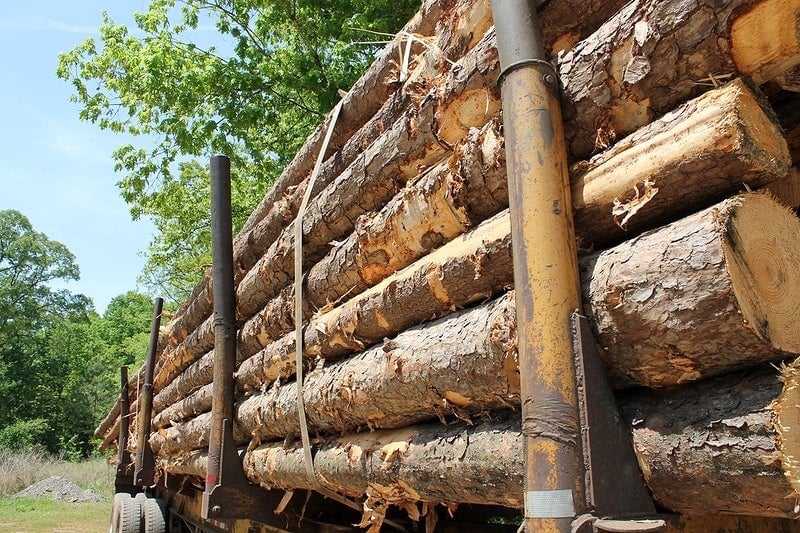
The wood industry could emerge as one of the main beneficiaries, with Morocco’s cork oak forests and eucalyptus plantations viewed as valuable resources for Europe’s environmentally conscious markets. Moussaid added that Morocco could potentially process raw materials from higher-risk African countries before re-exporting them to Europe, effectively serving as a compliance gateway.
Still, the opportunities come with challenges. Exporters must provide GPS coordinates of production sites, digital certificates proving compliance with local laws and electronic tracking systems from farms to factories. Many small-scale farmers lack the technology or training to meet these requirements, raising concerns that Morocco may fall short without significant investment in infrastructure and digital tools.
The EU’s “low-risk” label is not permanent. Brussels plans to reassess country rankings in 2026, and any decline in Morocco’s forest management or environmental standards could result in the loss of its privileged status.
Economists say the law will reshape global supply chains as European firms scramble to comply before the December deadline. With its geographic position between Africa and Europe and longstanding trade ties with the EU, Morocco is well placed to benefit, if it can adapt quickly.








add your comment
Terms of publication : Not to offend the writer, people, sacred things, or attack religions or the divine self, and refrain from racist incitement and insults.