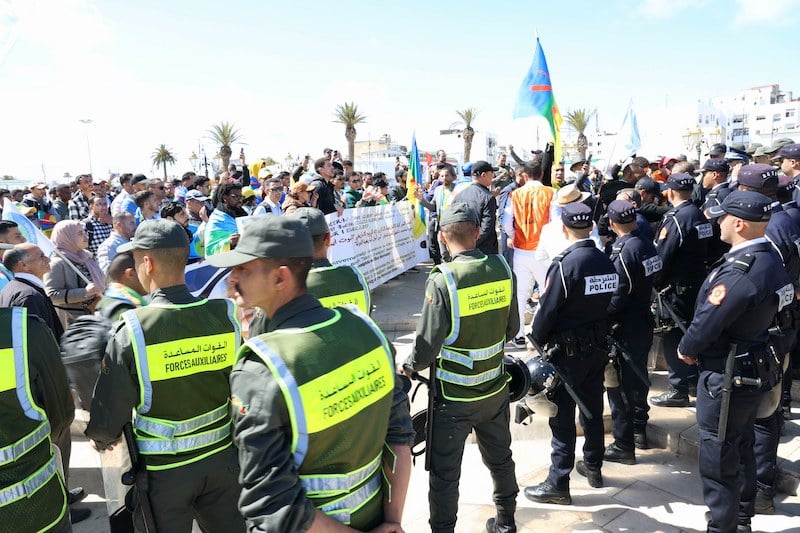
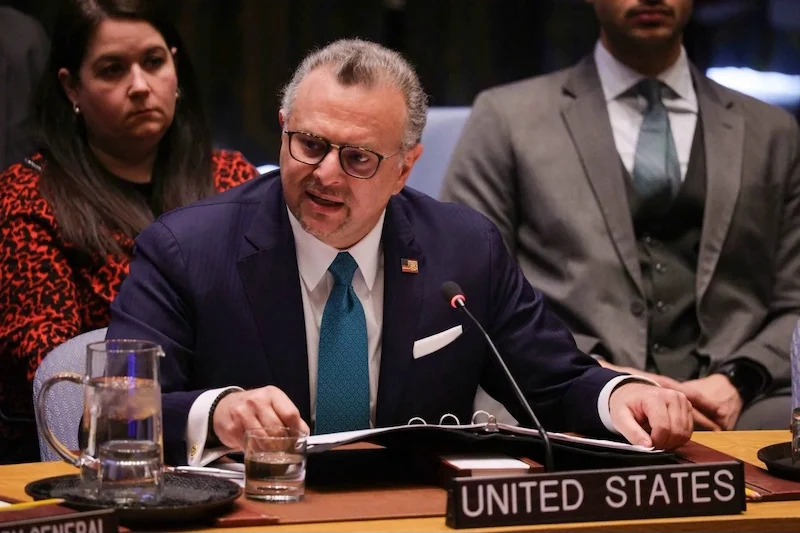
The U.S. State Department reported that Morocco’s human rights situation remained largely unchanged in 2024, noting that while the government took credible steps to identify and punish officials responsible for abuses, key issues persist.
In its annual Country Reports on Human Rights Practices, the department cited a lack of transparency in official investigations into police and security force misconduct. It said many cases faced long delays and procedural hurdles, contributing to a climate of impunity.
The report criticized restrictions on labor rights, particularly in the public sector, highlighting that members of the armed forces, police, and certain judicial officials continued to be denied the right to unionize, strike, or engage in collective bargaining.
Regarding workplace safety, the report noted that enforcement of occupational health and safety standards remained limited due to a shortage of labor inspectors, only 500 nationwide since 2002, and the ability for violators to challenge inspections in court. Employers often failed to comply with minimum wage laws, and penalties for labor violations were deemed inadequate.
In the judicial sector, the report raised concerns over pretrial detention practices. It found that suspects were sometimes held without formal charges as courts pursued investigations or trial proceedings. NGOs cited judicial reluctance to grant provisional release or bail in such cases.
However, the State Department said there were no reports of enforced disappearances or involuntary sterilization or abortions by government forces during the reporting period.
The report also addressed concerns raised by members of Morocco’s Jewish community amid the ongoing Israel-Gaza conflict. While Morocco’s constitution recognizes Jewish citizens and protects their religious freedoms, some expressed unease over rising antisemitic sentiment following Hamas’ October 2023 attack on Israel and the ensuing war in Gaza.
On migration, the U.S. praised Morocco’s cooperation with the International Organization for Migration (IOM) to facilitate voluntary returns of third-country nationals to their home countries, in coordination with respective consulates.
The Moroccan government also supported the return of Sahrawis from Algeria and other countries, provided they acknowledged Moroccan sovereignty over Western Sahara. In such cases, returnees were required to obtain travel documents or identification from Moroccan consulates, typically in Mauritania.
The report further commended Morocco’s collaboration with the United Nations High Commissioner for Refugees (UNHCR) and humanitarian organizations to support refugees, asylum seekers, and returnees. The government also funded services to assist these populations with basic needs and social support.
The U.S. report covers multiple human rights dimensions, including torture and mistreatment, arbitrary detention, restrictions on freedom of expression and media, and unjustified prosecution of journalists.








add your comment
Terms of publication : Not to offend the writer, people, sacred things, or attack religions or the divine self, and refrain from racist incitement and insults.