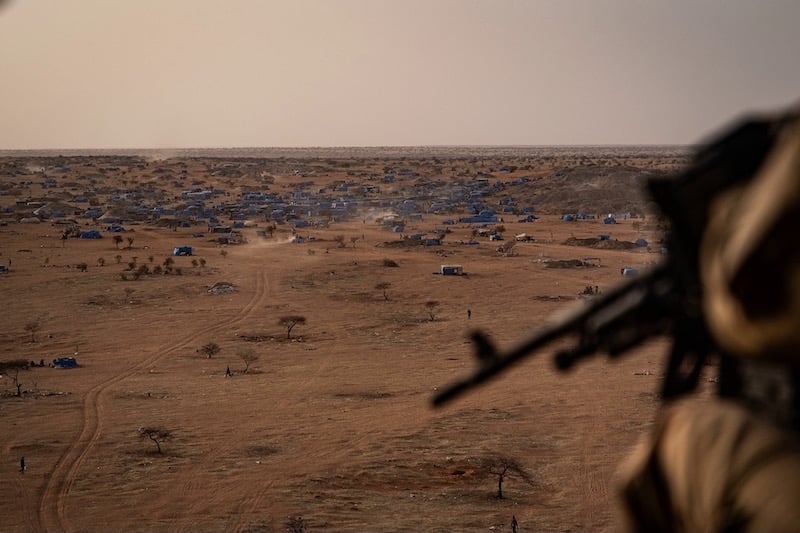
A recent report by Jeune Afrique argues that Algeria’s waning influence in the Sahel is benefiting Morocco.
It explains that, amid Morocco’s growing power, regional rivalries, and shifting strategic perceptions, Algerian diplomacy is struggling to regain its footing in the Sahel.
The report describes Algerian President Abdelmadjid Tebboune’s proposal to mediate between Bamako and the Tuareg rebels in northern Mali as more of a pose than a serious offer.
It adds that Tebboune is well aware Bamako rejects any foreign mediation, particularly from Algeria, which it accuses of hosting rebel leaders and Imam Dicko.
The report adds that the lack of trust stems from deep differences in vision, as Algeria seeks to keep Mali’s Tuareg calm to prevent the conflict from spilling into its own territory, which is rich in strategic oil and gas infrastructure.
The report points to two recent setbacks that highlight Algeria’s decline in the region, namely Mali’s withdrawal from the 2015 Algiers Agreement in January 2024 after adopting a new Peace Charter, and Niger’s rejection in October 2023 of a civilian transition plan proposed by Algiers.
It stresses that, since military regimes took power in Bamako and Niamey, Algeria’s traditional role as mediator has no longer been accepted.
As Algeria retreats, the source says Morocco is pursuing a comprehensive influence strategy, combining economy, religion, and security.
A key element of this push, concludes the report, is the kingdom’s Atlantic strategy, which “aims to give landlocked Sahel countries access to the ocean, a plan still largely on paper, but one that makes clear geopolitical sense.”





add your comment
Terms of publication : Not to offend the writer, people, sacred things, or attack religions or the divine self, and refrain from racist incitement and insults.