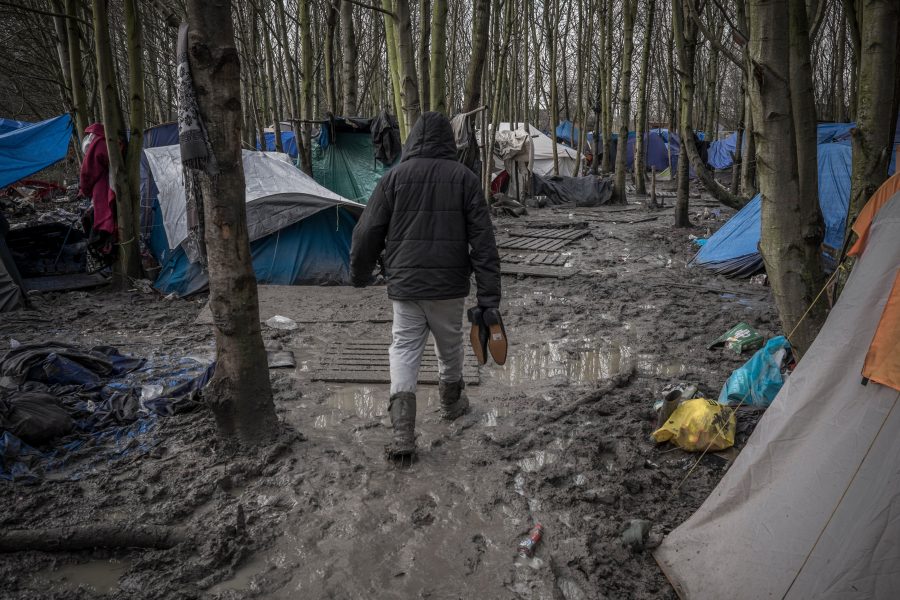
An Italian investigation by Corriere Milano has uncovered criminal networks operating across the Groane Regional Park and surrounding forests near Milan, Monza, and Brianza, exploiting young Moroccan men, mostly from the Béni Mellal region, in drug trafficking under conditions likened to modern slavery.
According to the report, the majority of the youths are under 20 and are lured through organized smuggling routes from Morocco via Spain to northern Italy. Upon arrival, they are housed in abandoned buildings and provided with food, clothing, and weapons—typically machetes, by the gangs, in exchange for selling drugs.
Their movements are strictly monitored, and they are forbidden from appearing in public to avoid police detection. Failure to meet sales quotas often results in violent punishment, the investigation revealed.
The gangs use the same routes to repatriate members to Spain if arrested in Italy, where release procedures are reportedly faster.
The young Moroccans are kept in near-total isolation, confined to dilapidated forest dwellings and denied contact with the local population, all to minimize law enforcement exposure. Italian special forces, particularly the anti-narcotics “Hunters” unit, are intensifying surveillance across the 8,000-hectare forest zone.
The newspaper emphasized that this exploitation reflects deeper socio-economic vulnerabilities in Morocco’s interior regions, where poverty and unemployment push many youths toward perilous migration paths.
The Béni Mellal–Khénifra region has seen a notable rise in irregular migration to Italy, encouraged by preexisting community ties and informal labor networks.
While local Italian authorities have launched operations to dismantle the networks, Corriere Milano noted a concerning lack of coordinated support from some civil society actors.
Under Italian penal law, drug trafficking, especially when linked to criminal organizations or proximity to schools, can carry prison sentences of up to 20 years.






add your comment
Terms of publication : Not to offend the writer, people, sacred things, or attack religions or the divine self, and refrain from racist incitement and insults.