Algeria is making diplomatic moves in Washington after a recent U.S. congressional proposal called for designating the Polisario Front as a terrorist organization.
The initiative, introduced last month by Democratic Congressman Jimmy Panetta and Republican Congressman Joe Wilson, appears to have rattled Algerian officials, prompting them to try and contain the fallout.
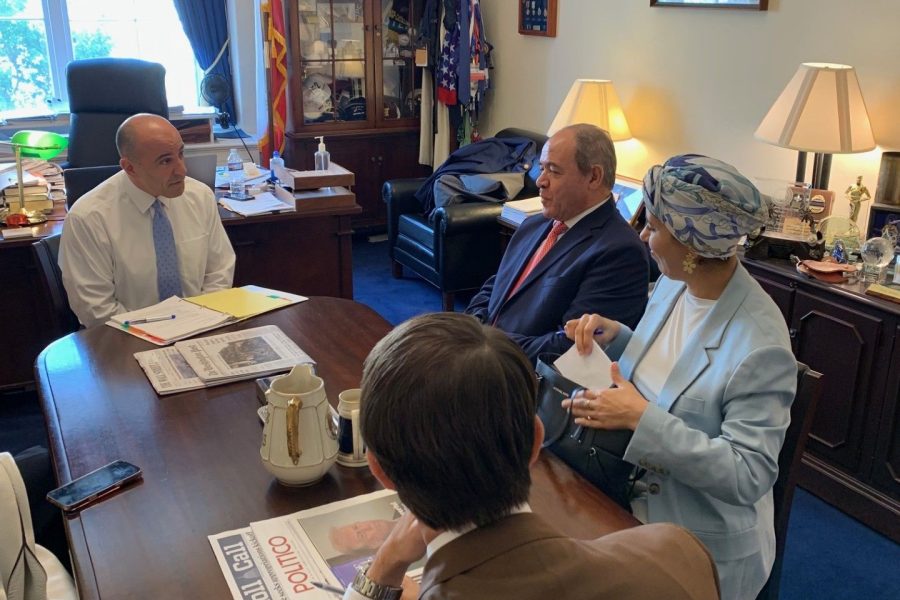
On Wednesday, Algerian Ambassador to the United States, Sabri Boukadoum, met with Congressman Panetta to discuss the matter.
While the details of the meeting were limited, Panetta posted on social media confirming that they discussed regional security, U.S.-Algerian relations, and transnational terrorism in Africa.
Panetta’s brief message expressed appreciation for the dialogue and a desire to continue conversations, though the tone appeared restrained.
This legislative push could have significant implications for the Polisario Front. If passed, the terrorist designation would trigger legal and financial consequences, including asset freezes, travel restrictions, and increased surveillance.
More importantly, it could severely weaken the Polisario’s international standing.
U.S. lawmakers backing the bill say that the group has ties to criminal and extremist networks in the Sahel, and allege links to Iranian-backed groups like Hezbollah and the Syrian regime.
These accusations echo years of Moroccan claims about the Polisario’s alleged involvement in arms trafficking and militant activities in the region.
Algeria, which supports the Polisario politically and diplomatically, has rejected such characterizations.
But the ambassador’s outreach signals rising concern in Algiers that the proposed designation could shift international perceptions and policymaking decisively against the Polisario.
This diplomatic outreach is part of a broader effort by Algeria to limit the bill’s momentum.
In recent months, Algerian officials have increased lobbying efforts in Washington, signed a defense cooperation memorandum with the U.S., and sought to showcase openness to military purchases from the U.S., even at the cost of distancing themselves from longtime ally Russia.
Some observers also noted the reappearance of former U.S. national security advisor John Bolton, a vocal Polisario supporter, in Algerian lobbying circles.
Bolton, who once backed a UN plan calling for a referendum on the Moroccan Sahara, has remained a rare but persistent voice for the group in U.S. policy discussions.
If the proposed bill moves forward and results in a formal designation, it would mark a major diplomatic blow not only to the Polisario but also to Algeria, which has consistently insisted it only supports the group on humanitarian and principled grounds.
The move would also strengthen Morocco’s position, particularly as more countries, including the U.S. under President Trump, have recognized its sovereignty over the Moroccan Sahara.




add your comment
Terms of publication : Not to offend the writer, people, sacred things, or attack religions or the divine self, and refrain from racist incitement and insults.