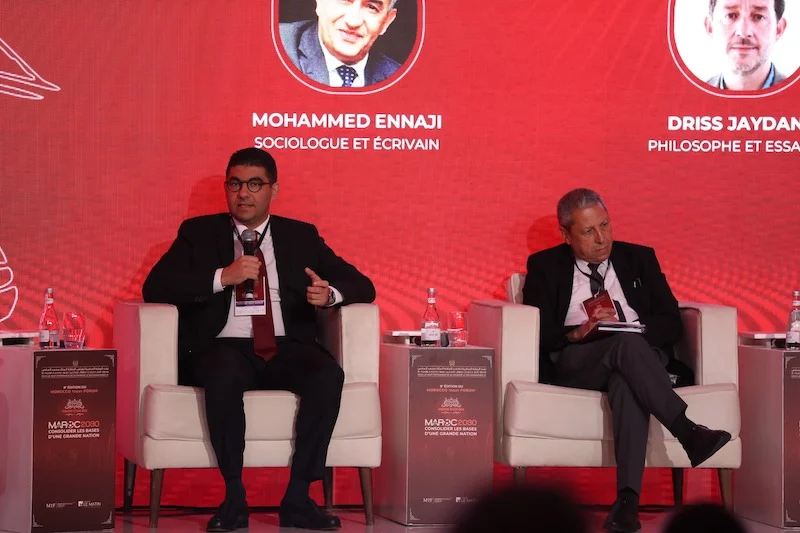
Morocco’s success in co-hosting the 2030 FIFA World Cup should not be measured solely by the event’s logistics and economic impact, but by how it empowers Moroccan citizens and strengthens the country’s human capital, said Minister of Youth, Culture, and Communication Mohamed Mehdi Bensaid on Friday.
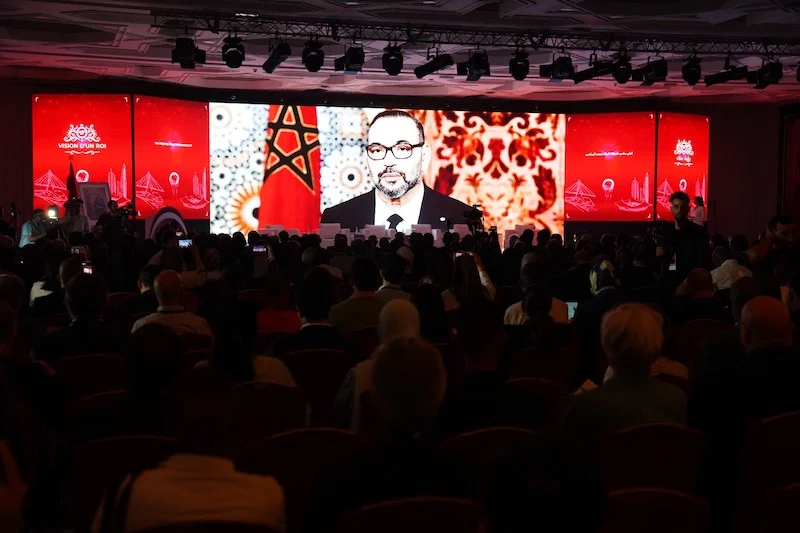
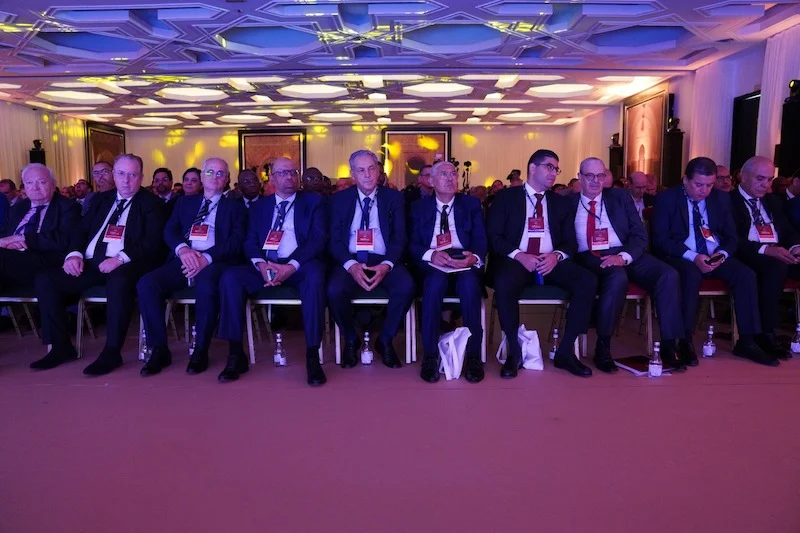
Speaking at the eighth edition of the Morocco Today Forum, held in Rabat under the theme “Morocco 2030: Building the Foundations of a Great Nation,” Bensaid emphasized that the real challenge lies beyond organizing the tournament.
“We must also think beyond 2030, so we don’t repeat the mistakes made by other countries that hosted this global sporting event,” he warned.
Bensaid stressed that human capital development is already a national strategy anchored in the royal vision of King Mohammed VI, who has consistently placed the Moroccan citizen at the heart of public policy and national decision-making.
In his remarks during a panel titled “Making People the Central Pillar of 2030 Success and Morocco’s Sustainable Transformation,” the minister argued that culture and youth development are essential tools for achieving this vision.
He pointed to the importance of nurturing Morocco’s cultural industries and encouraging young people to take part in global projects tied to the World Cup, calling it a unique opportunity to create jobs and turn culture into a productive economic sector.
“There are many new service professions that will emerge from this economic momentum,” he said, highlighting creative sectors such as gaming.
“The video game industry alone generates $300 billion globally. This represents a tremendous opportunity for Moroccan youth to position themselves within a high-growth international market.”
Bensaid also called on Moroccan investors to play a more active role in supporting cultural industries, instead of relying solely on foreign capital.
“To fully benefit from the major initiatives accompanying the World Cup, we need to mobilize national capital interested in cultural industries. This will help elevate Morocco’s standing—not just in sports, but also in culture and other key sectors,” he said.
The minister’s comments come amid growing national dialogue on how to use the 2030 World Cup as a springboard for long-term social and economic transformation, particularly for youth and emerging industries.




add your comment
Terms of publication : Not to offend the writer, people, sacred things, or attack religions or the divine self, and refrain from racist incitement and insults.