
Despite contributing only 0.2% to global emissions, Morocco is leading by example with an ambitious energy transition agenda. The country aims to reach 52% of installed electricity from renewable sources by 2030, improve energy efficiency by 20%, and cut greenhouse gas emissions by 45.5% by the same year. These goals are not only aligned with Morocco’s climate commitments but also essential for reducing its significant energy deficit and reliance on imported fossil fuels, which currently represent nearly 90% of the national energy supply.
Morocco has already positioned itself as a regional leader in renewable energy, recently revising its goal to achieve a 56% share of renewable electricity capacity by 2027. This upward revision signals a strong national commitment to accelerating the energy transition in line with both climate objectives and energy security needs. Yet, the success of this transformation depends not only on megaprojects and national milestones, but also on how it improves the daily lives of Moroccans. While progress has been made at the national level, many households and communities still face challenges related to the affordability of energy. Strengthening the connection between national targets and everyday experiences is key to maintaining public trust and ensuring that the benefits of the energy transition are broadly shared.
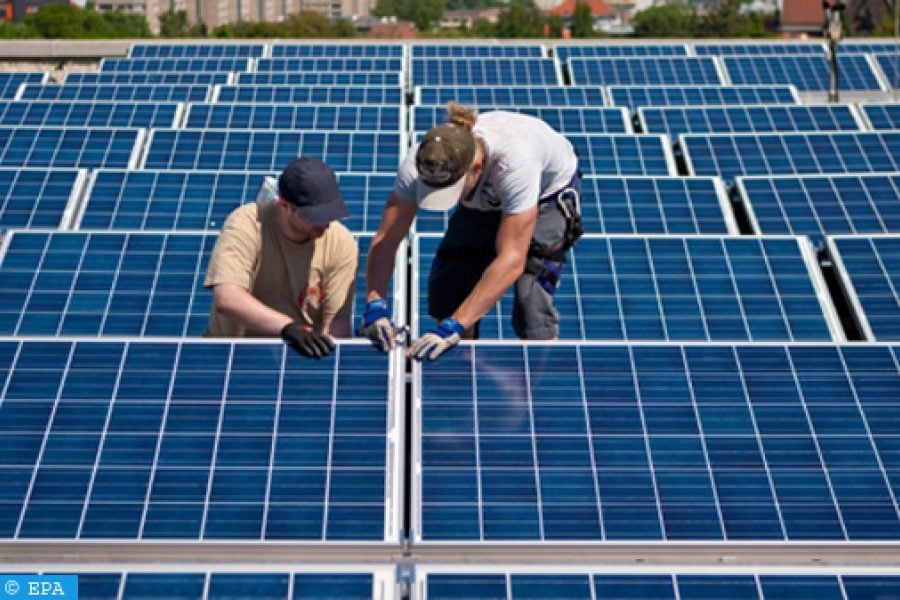
To bridge the gap between national ambition and community-level realities, Morocco could further advance its energy leadership by prioritizing decentralized renewable energy initiatives for households and local communities. These systems, such as rooftop solar panels and local microgrids, offer tangible, direct benefits to citizens while supporting national climate and energy goals. Decentralization reduces pressure on central infrastructure, strengthens resilience to global energy shocks, and provides flexible, localized solutions tailored to the specific needs of regions and communities. In a context of growing water scarcity, adopting water-efficient energy technologies through such systems is increasingly urgent. an avenue well researched/explored in both conventional and innovative decentralized renewable energy systems, such as solar home systems and peer-to-peer energy trading.
Beyond their technical advantages, decentralized renewable energy can help correct global power imbalances between the global north and the global south and foster climate justice. A recent report by Greenpeace MENA and the MENA Feminist Movement for Economic, Development, and Ecological Justice, sheds light on how decentralized renewable energy systems empower communities and shift control to those often left behind . In a global economic and energy context which often subordinates global south countries and their populations to the needs and interests of the global north, decentralized, community-owned solar energy promotes local ownership while ensuring that the energy transition serves both environmental and social justice goals.
The report outlines key benefits of promoting decentralized renewable energy:
- Community empowerment and resilience: By enabling local communities to generate and manage their own energy, decentralized systems foster self-reliance and empower grassroots decision-making. They are especially vital in remote and underserved areas with limited or unstable connections grid access, offering greater reliability and independence in the face of extreme weather or natural disasters.
- Inclusive Economic development: Localized energy projects can create jobs, stimulate small-scale enterprises, and retain economic benefits within communities, contributing to poverty reduction and inclusive growth.
- Gender equity: Decentralized energy solutions can particularly benefit women, who often bear the brunt of energy poverty. Clean,reliable energy can improve health outcomes, reduce unpaid labor, and open up new livelihood opportunities for women.
- Environmental sustainability: Smaller-scale renewable energy projects typically have a lower environmental footprint compared to large infrastructure projects, preserving local ecosystems and biodiversity.
By centering decentralized renewable energy production in its broader energy transition strategy, Morocco can not only achieve its climate goals and energy security, but also promote social equity, economic resilience, and environmental sustainability. Realizing this potential will require e legislative and regulatory reforms that support small-scale and community-led renewable energy initiatives. Energy experts and civil society actors, have called for creating clearer provisions for self-production and fair pricing mechanisms such as feed-in tariffs (FiTs) tounlock greater citizen participation in the energy transition.
Morocco’s bold renewable energy targets have already set it apart. Now is the time to take the next leap by investing in decentralized, community-centered solutions that ensure no one is left behind. Empowering people and local communities to generate their own clean energy is more than a climate solution; it’s a path to justice, resilience, and true energy sovereignty.
About the writer:
Ghiwa Nakat is a visionary sustainability leader and the Executive Director of Greenpeace MENA, where she has spearheaded significant growth and expansion of the organization across the Middle East and North Africa. With over two decades of experience in strategic leadership and environmental advocacy, she has played a crucial role in prioritizing the climate emergency and advocating for a just energy transition in the region. Her leadership was notably prominent at COP27 and COP28, where she played a crucial role within the Greenpeace delegation, engaging in key discussions to foster a greener future.
She is a Top LinkedIn Voice- Green MENA and serves on the advisory board of WAAUB, demonstrating her dedication to empowering MENA communities with sustainable solutions and support. Her holistic approach to leadership and development has made her a key figure in transforming ambitious visions into reality, making her a pivotal advocate for ecological and societal well-being.






add your comment
Terms of publication : Not to offend the writer, people, sacred things, or attack religions or the divine self, and refrain from racist incitement and insults.