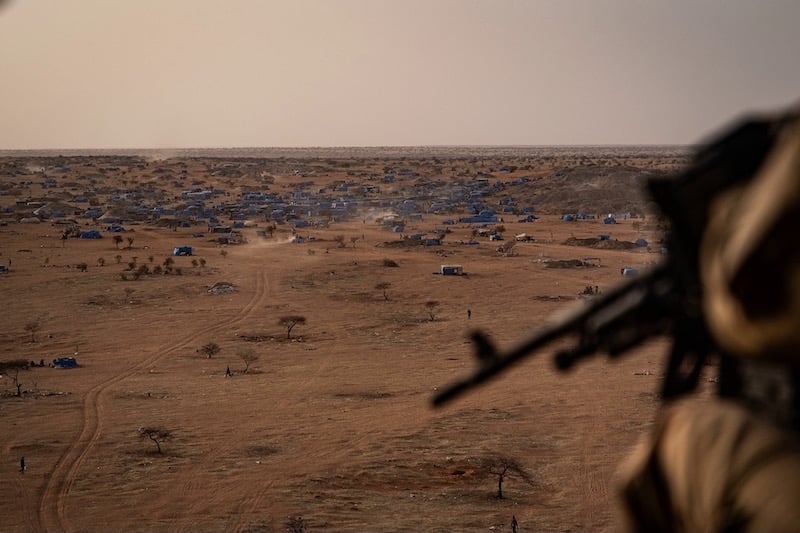
New allegations of extrajudicial executions carried out by the Algerian army in the Tindouf refugee camps were presented Monday during a key meeting at the Office of the United Nations High Commissioner for Human Rights (OHCHR) in Geneva, where Sahrawi civil society representatives strongly condemned the reported abuses.
An extrajudicial execution is defined as the killing of an individual by a state agent without the legal safeguards of a fair judicial process.
The issue was a central focus of the OHCHR session, which featured Abdelouahab Gain, representing the Sahrawi NGO Alliance, and Pedro Ignacio Altamirano, president of the Altamirano Foundation.
Both human rights advocates formally submitted an open letter to the High Commissioner on April 12, documenting 21 cases of such executions between 2014 and April 9, 2025.
Gain emphasized that the victims were unarmed Sahrawi civilians, targeted without resistance or provocation. He described the killings as part of a broader effort to control the population, restrict movement, and silence dissent against the Polisario Front or attempts to flee the camps.
The meeting, held in coordination with the Deputy Coordinator of the North Africa Group within OHCHR’s MENA Division, also highlighted concerns over the forced displacement of Sahrawi minors through the “Holidays in Peace” program.
Altamirano warned that the initiative, backed by certain Spanish associations, contributes to cultural uprooting, family separation, or even ideological indoctrination and military training of youth.
OHCHR representatives welcomed the information and reaffirmed their commitment to continued collaboration with the Sahrawi NGO Alliance. They underscored the importance of maintaining open channels to ensure the ongoing exchange of reliable data regarding the situation in the Tindouf camps and the broader North African region.
The discussion also acknowledged the Alliance’s ongoing engagement with UN human rights mechanisms, including the Universal Periodic Review, special procedures, and treaty body submissions, strengthening the role of Sahrawi NGOs in shaping global discourse and recommendations.
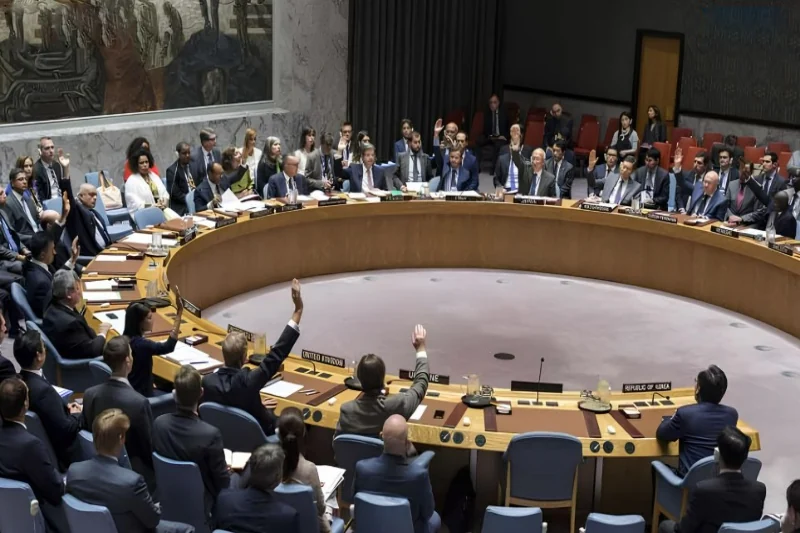
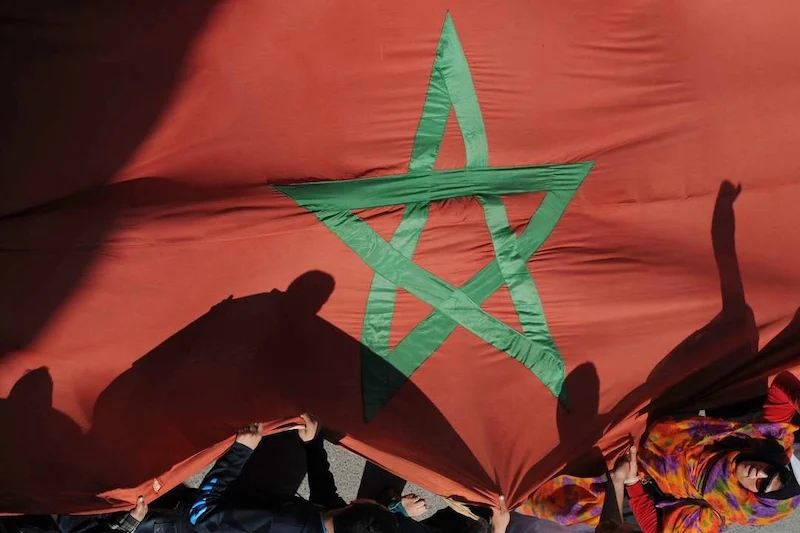
Earlier the same day, Panama reiterated its support for Morocco’s 2007 autonomy plan, calling it “the only credible and realistic basis” for resolving the Moroccan Sahara dispute. The statement followed Panama’s decision last November to sever diplomatic ties with the Polisario.


add your comment
Terms of publication : Not to offend the writer, people, sacred things, or attack religions or the divine self, and refrain from racist incitement and insults.