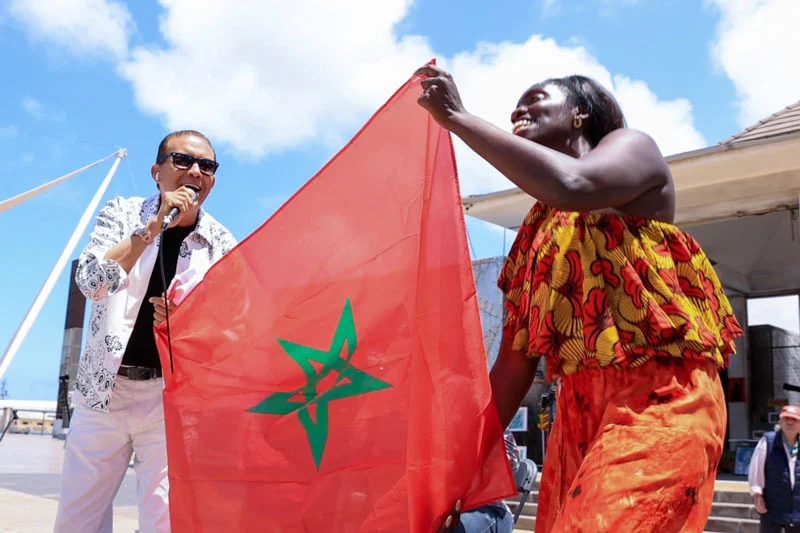
The inaugural edition of the Africa Day Fest held Saturday in Las Palmas, Canary Islands, stirred political controversy following the exclusion of Polisario-aligned groups and the absence of symbols representing the separatist militia.
Supported by local Las Palmas authorities and the public diplomacy institution Casa África, the event featured Morocco as the leading representative of the African diaspora, owing to the kingdom’s strong demographic and cultural ties with the archipelago.
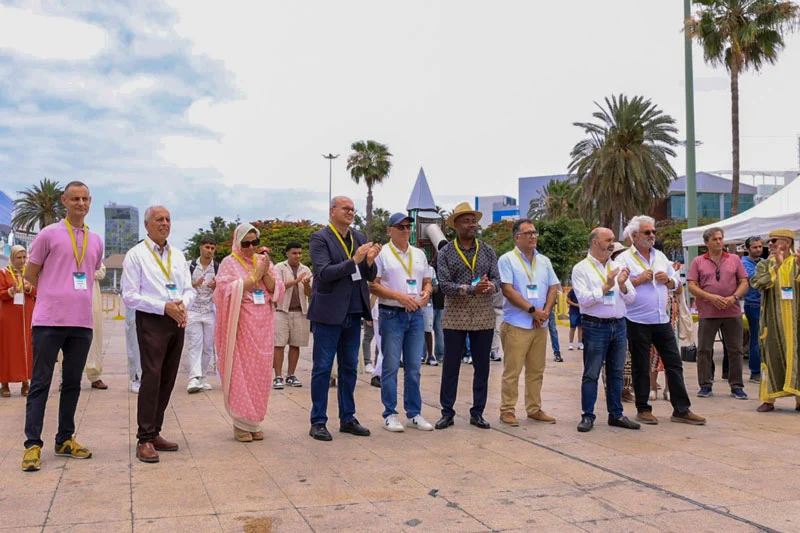
The Moroccan delegation, led by Consul General Fatiha El Kamouri, offered a rich cultural showcase featuring traditional music, folk dances, and cuisine — including couscous, bastilla, Moroccan sweets, and mint tea — as well as displays of traditional attire and artisanal crafts. The presence of African diplomatic representatives elevated the event’s regional significance.
“We are proud to represent Moroccan culture and strengthen bonds with Canarian society through this celebration,” said Moroccan chef Bouchra El Aouni, who oversaw the culinary presentations.
Exclusion of Pro-Polisario Group Sparks Outcry
Despite the festive atmosphere, tensions emerged over the exclusion of the association “Freedom for the Sahrawi People,” led by activist Sukeina Ndai, who accused the organizers of politically motivated censorship.
In response, Kingsley Odissi, president of the African Federation in the Canary Islands, clarified that the group is not currently an official member of the federation. He said the exclusion was due to the group’s intent to introduce political slogans and separatist symbols, which conflicted with the festival’s cultural ethos.
“This is not a platform for political disputes,” Odissi stated. “The goal of this festival is to celebrate African identity and diversity, not to sow division.”
Political Fallout Targets Casa África
The local political party Nueva Canarias also criticized Casa África for allegedly limiting African representation. The party objected to the use of a full map of Morocco — including Western Sahara — on promotional materials and the absence of the SADR flag.
Organizers dismissed the accusations, reaffirming the festival’s apolitical, inclusive nature and emphasizing its focus on intercultural celebration rather than geopolitical disputes.
African Unity on Display
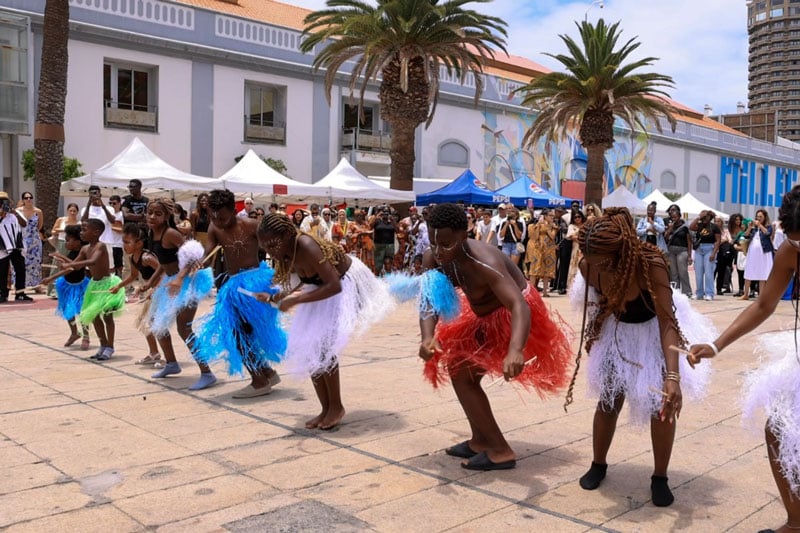
Beyond the political wrangling, Africa Day Fest featured a vibrant array of cultural offerings, including dance performances, children’s activities, a Cameroonian art exhibition, and literary presentations from Equatorial Guinea. Delegations from Senegal, Nigeria, Ghana, Sierra Leone, Guinea-Conakry, Cape Verde, Mauritania, and Gambia also participated. Equatorial Guinea was announced as the host of the next edition.
Despite attempts at disruption, the festival highlighted growing public and diplomatic support for Morocco in the Canary Islands and among African communities. The kingdom’s visible and unchallenged presence, in contrast to the absence of separatist representation, was interpreted by some observers as a symbolic affirmation of Moroccan sovereignty over its southern provinces.




add your comment
Terms of publication : Not to offend the writer, people, sacred things, or attack religions or the divine self, and refrain from racist incitement and insults.