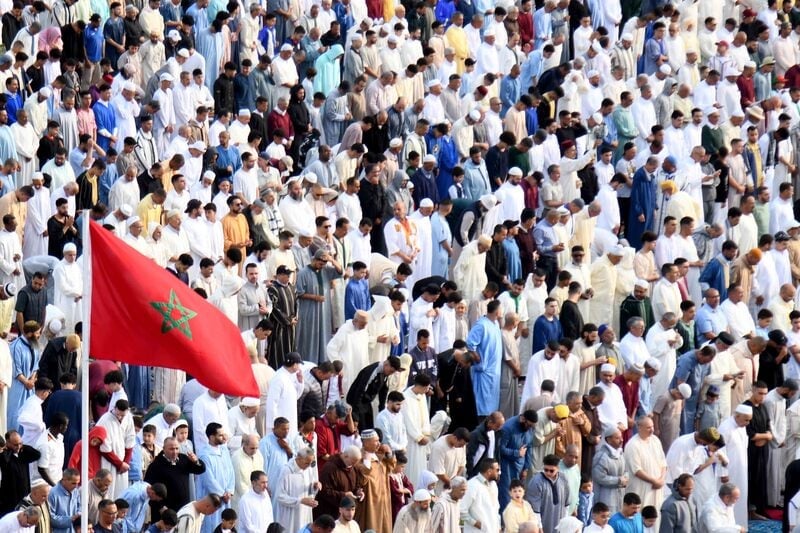
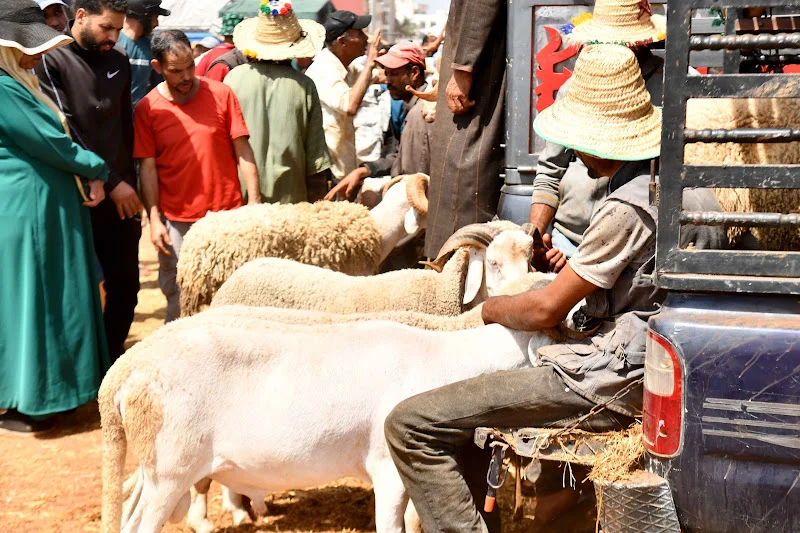
For the first time in decades, Eid al-Adha in Morocco was marked without the traditional animal sacrifice, following a historic royal decision prompted by ongoing drought and concerns over the country’s weakened livestock.
The move, aimed at protecting the national herd and curbing exploitative commercial practices, has reshaped how Moroccans celebrated one of Islam’s holiest days.
Across the country, reactions ranged from emotional to relieved, as families adapted to this significant change. For many, the shift allowed them to reconnect with the deeper spiritual meaning of Eid, emphasizing prayer, family, and solidarity.
This year’s Eid unfolded in an atmosphere described by many citizens as “peaceful and comforting,” following the royal decision. While the sheep were absent, the spiritual essence and communal joy of Eid remained deeply present.
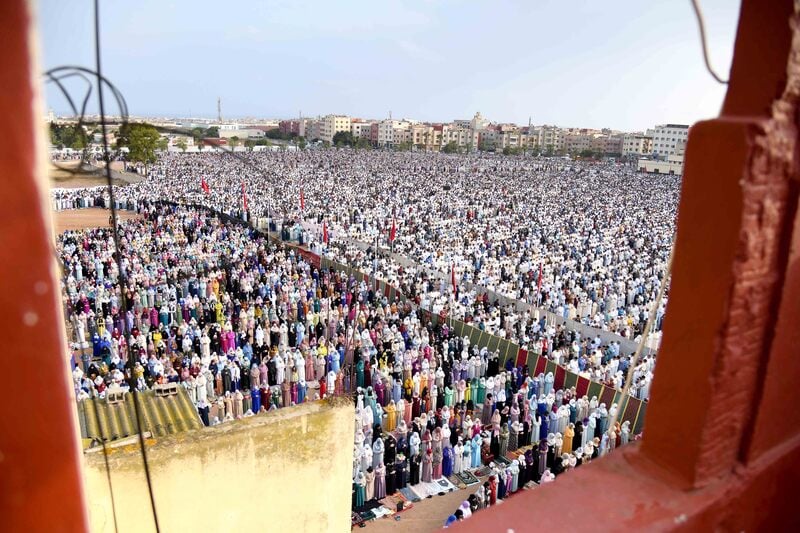
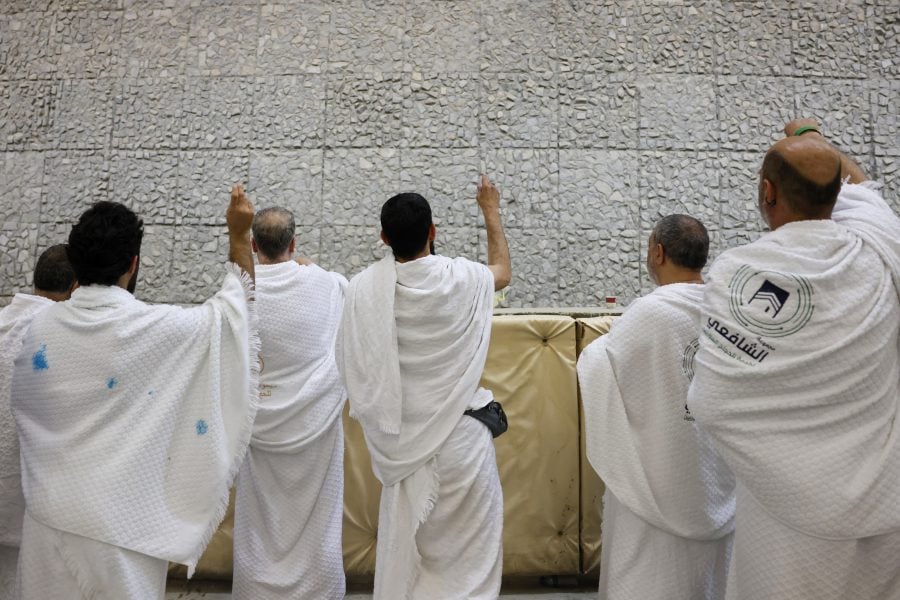
Across the country, worshippers of all ages gathered in mosques and open prayer areas, where the echoes of Eid congratulations filled the air, reaffirming the sacredness of the occasion.
The absence of financial strain brought a sense of relief to many, who said the holiday had regained its simplicity and original spirit of mercy, closeness to God, and community connection.
In a departure from previous years, markets were free from price tensions and stressful last-minute purchases. Instead, a sense of social balance and collective acceptance set the tone.
“For me, the King performed the sacrifice on behalf of the people, and that is enough,” said one citizen in a statement to Hespress. “This Eid passed in an organic way—without pressure or debt.”
Another added, “The King’s decision was wise, given the high prices and the scarcity of livestock. Even though there was no slaughter, the atmosphere is joyful, and people are smiling in the streets.”
A third commented, “Of course, it feels different—there’s a strange sense due to the absence of the sacrifice. But the Eid prayer and its takbirat are still ongoing, and the religious rituals are very much alive.”
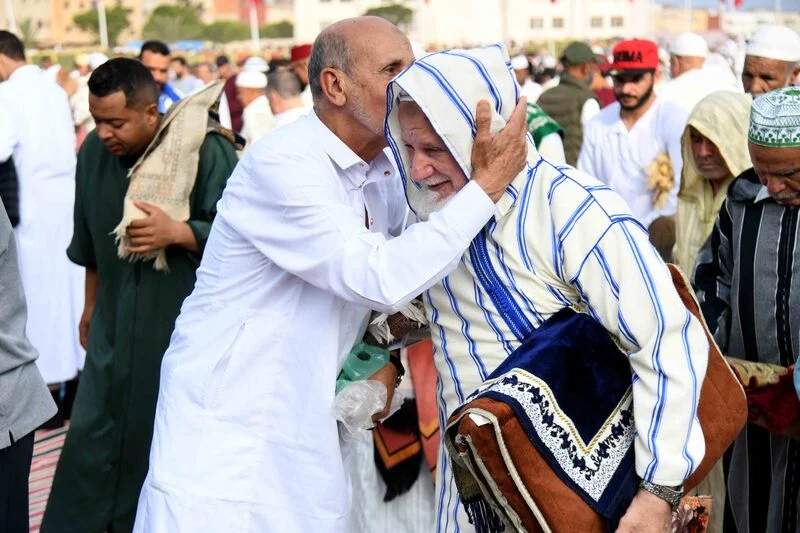
This year’s Eid has not only reshaped tradition but also highlighted the resilience and adaptability of Moroccan society. While the form changed, the essence of the holiday—faith, unity, and gratitude—remained untouched.
Imams across the country echoed similar messages in their Eid sermons, emphasizing the importance of community, environmental stewardship, and faith during times of hardship. The royal decision, they said, reflected Islamic principles of compassion, balance, and responsibility.
Saturday morning saw thousands of worshippers gather at mosques and open-air prayer grounds across the kingdom. Dressed in their finest traditional attire, families prayed together in a peaceful, spiritual atmosphere. In Sale, worshippers were welcomed with dates and milk—a gesture of Moroccan hospitality.
Despite the absence of ritual slaughter, the celebration remained vibrant. Homes filled with laughter, children played in new clothes, and elders shared stories of past Eid traditions, passing down values of resilience and community.
While this year’s Eid al-Adha was different, it served as a reminder that the heart of the holiday lies not in sacrifice, but in faith, family, and the strength to adapt in the face of challenge.



add your comment
Terms of publication : Not to offend the writer, people, sacred things, or attack religions or the divine self, and refrain from racist incitement and insults.