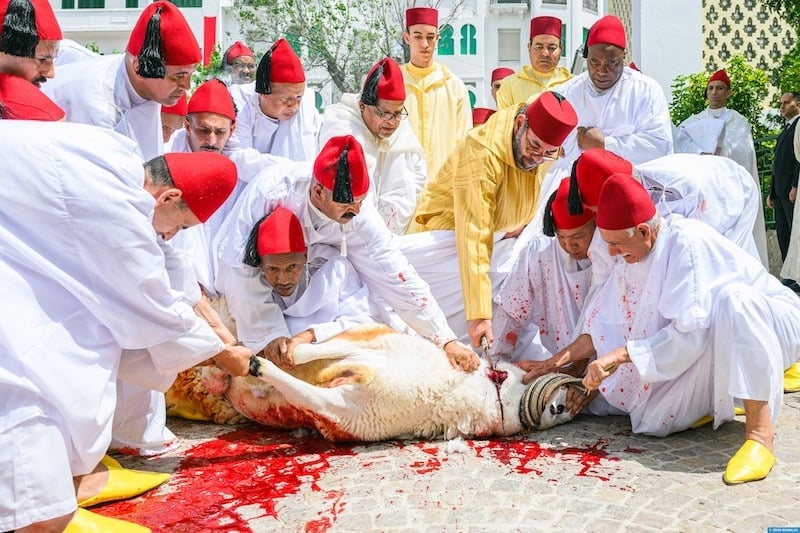
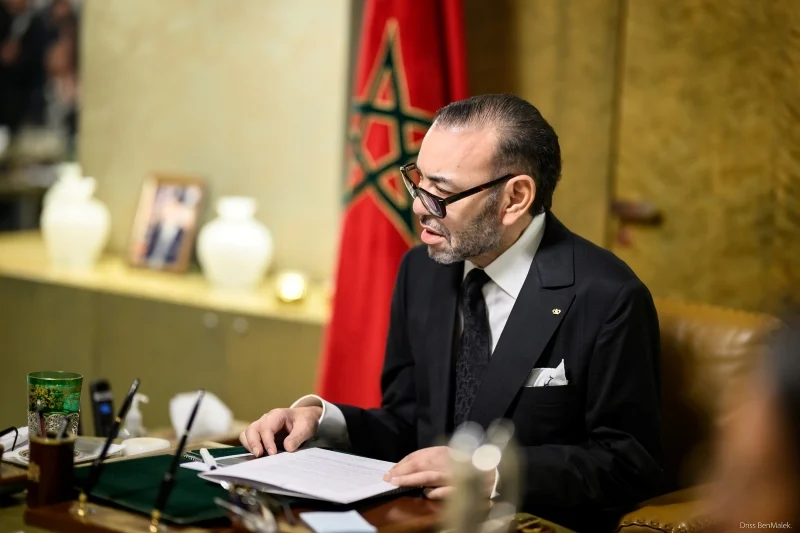
King Mohammed VI of Morocco, Commander of the Faithful, performed the Eid al-Adha prayer on Saturday at the Hassan II Mosque in the northern city of Tetouan. The monarch was accompanied by Crown Prince Moulay Hassan, Prince Moulay Rachid, Prince Moulay Ahmed, and Prince Moulay Ismail.
Thousands of citizens lined the streets to greet the royal procession, chanting in celebration and offering well wishes to the King on the occasion of the blessed holiday.
Upon his arrival at the mosque, King Mohammed VI was greeted by a guard of honor from the Royal Guard. After performing the Eid prayer, the imam delivered a sermon emphasizing the spiritual significance of Eid al-Adha, which marks the culmination of the first ten days of the Islamic month of Dhu al-Hijjah — a period considered sacred in the Islamic calendar.
Symbolism and Royal Sacrifice
The sermon highlighted the religious depth of the celebration, noting that Eid al-Adha is not merely a ceremonial event, but a meaningful expression of faith, community solidarity, and familial bonds. It also reinforces the Moroccan people’s deep connection to Islamic traditions and their efforts to draw closer to God.
In his sermon, the imam referenced the King’s religious responsibility as Commander of the Faithful, explaining that King Mohammed VI had opted not to personally perform the ritual sacrifice this year, in accordance with Islamic principles that prioritize ease and the avoidance of hardship. The decision, he noted, was made in line with the Quranic verse: “God does not place upon you in religion any difficulty.”
Instead, the King chose to follow the tradition of the Prophet Muhammad — peace be upon him — by offering two sacrificial sheep: one on his behalf and one on behalf of the Moroccan people.
Diplomatic and National Celebrations
Following the sermon, the King was greeted by Islamic diplomatic envoys accredited to Morocco, who extended Eid greetings and congratulations.
As part of the royal Eid rites, King Mohammed VI proceeded to perform the sacrificial slaughter, as cannon fire echoed in the background to mark the joyous occasion. He was joined by members of the royal family and top-ranking officials.
Among those who offered Eid greetings were:
-
The Prime Minister of Morocco
-
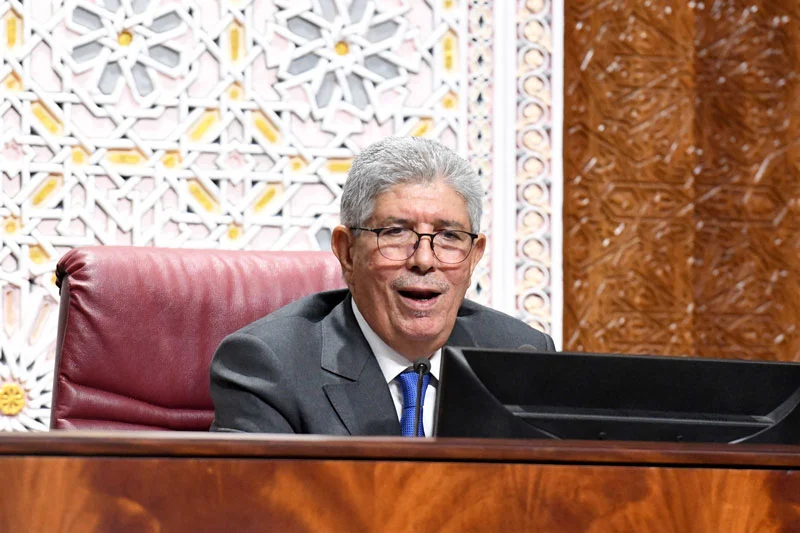
The Presidents of the two Houses of Parliament
-
The First President of the Court of Cassation, who also serves as Deputy Head of the Supreme Council of the Judiciary
-
The Public Prosecutor at the Court of Cassation
-
Heads of constitutional institutions
-
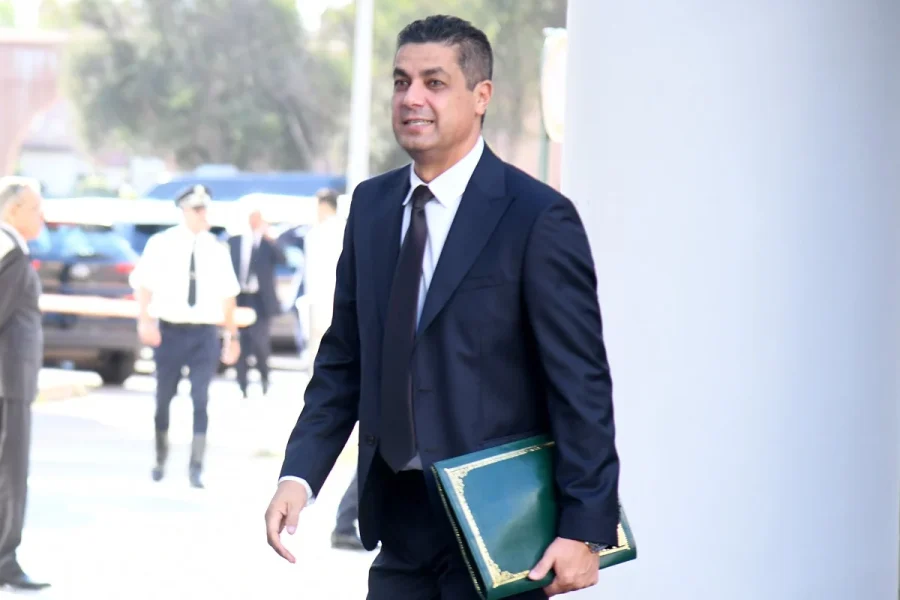
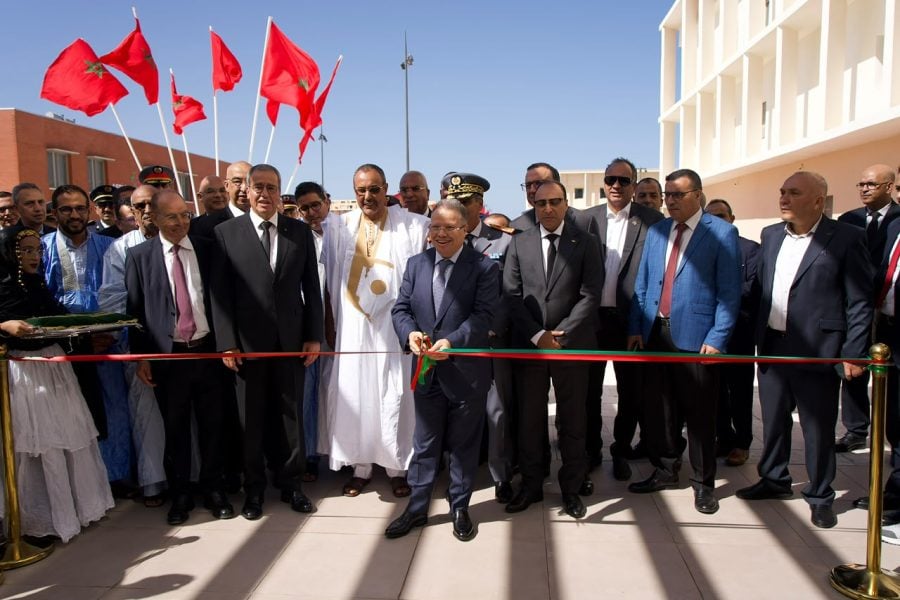
Senior civilian and military officials
Prayers were also offered for the late kings Mohammed V and Hassan II, asking for divine mercy and honor upon their souls.
This year’s Eid celebration underlined the King’s dual role as spiritual leader and head of state, reinforcing both religious devotion and national unity on one of Islam’s holiest days.



add your comment
Terms of publication : Not to offend the writer, people, sacred things, or attack religions or the divine self, and refrain from racist incitement and insults.