
The European Union maintained its long-standing position of non-recognition of the self-proclaimed “Sahrawi Arab Democratic Republic” during a ministerial meeting with the African Union held Tuesday in Brussels, in what observers describe as a clear diplomatic rebuke to the Polisario Front.
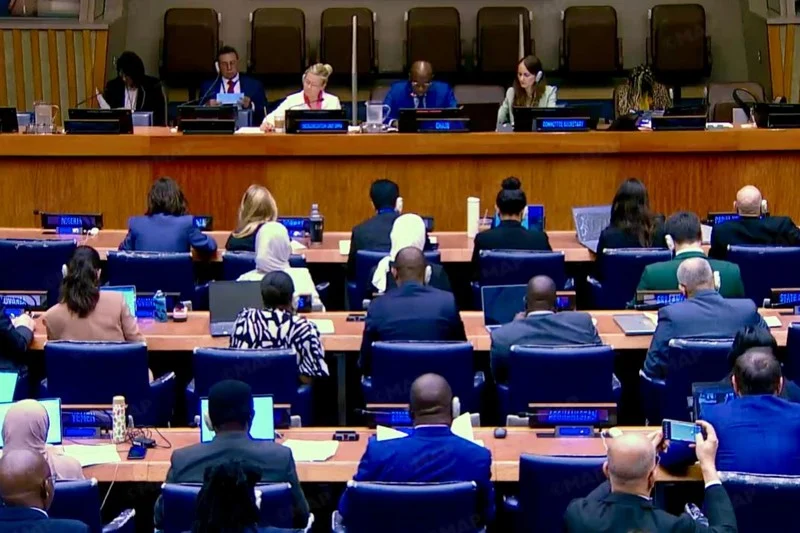
Despite not receiving an official invitation from the EU, representatives of the Polisario, headquartered in Algerian territory, attended the meeting as part of the African Union delegation. According to a Moroccan official speaking to Hespress, their presence caused “significant discomfort” for the European side.
“The EU did not send any formal invitation to the separatist entity, which it does not recognize,” the official said. “Despite this, the representatives appeared alongside the Algerian Foreign Minister, the only official who agreed to engage with them in Brussels.”
No official photos were taken with Polisario delegates, and their seating arrangement was notably marginal, according to the same source. Instead of a national nameplate, their delegation was marked by an improvised label bearing only the acronym “SADR” on plain paper, while full country names adorned the other delegations’ tables.
The incident underscores the European Union’s consistent stance in support of Morocco’s sovereignty over the disputed Western Sahara region. EU foreign policy chief Josep Borrell’s office reiterated last week that “neither the European Union nor any of its member states recognize the so-called Sahrawi Arab Democratic Republic.”
The Moroccan official highlighted that there was no interaction between EU officials and the Polisario delegation throughout the summit. In a pointed diplomatic gesture, EU High Representative for Foreign Affairs Josep Borrell reportedly left the room during the Polisario speech.
Diplomatic analysts view the episode as further validation of Morocco’s autonomy plan for the region, which has gained increasing support among European capitals. Observers say the failed attempt by the Polisario and Algeria to assert symbolic legitimacy at the Brussels summit reflects their waning influence on the international stage.
The EU’s approach was widely interpreted as a reinforcement of its strategic partnership with Morocco and a rejection of efforts to drag the union into contested regional disputes.






add your comment
Terms of publication : Not to offend the writer, people, sacred things, or attack religions or the divine self, and refrain from racist incitement and insults.