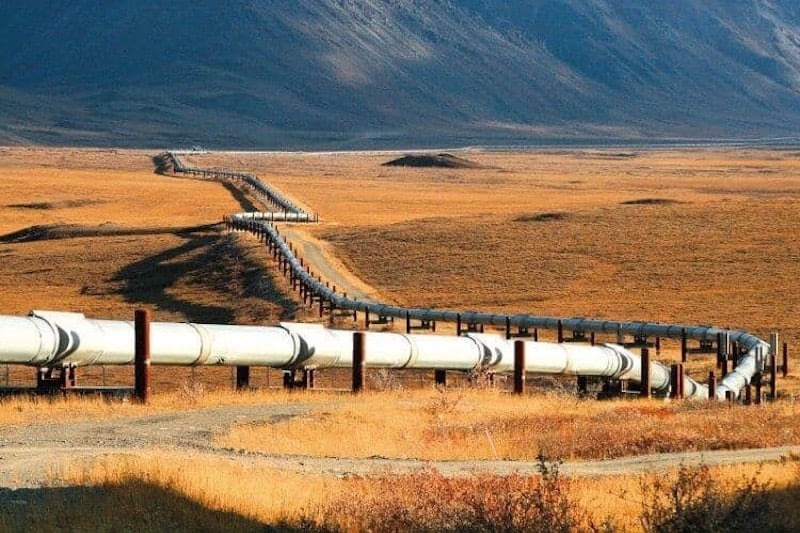
Morocco and Nigeria are advancing the development of the Africa-Atlantic Gas Pipeline, one of the continent’s most ambitious energy infrastructure projects, as they prepare to establish a joint special-purpose company and finalize a key investment decision by the end of 2025.
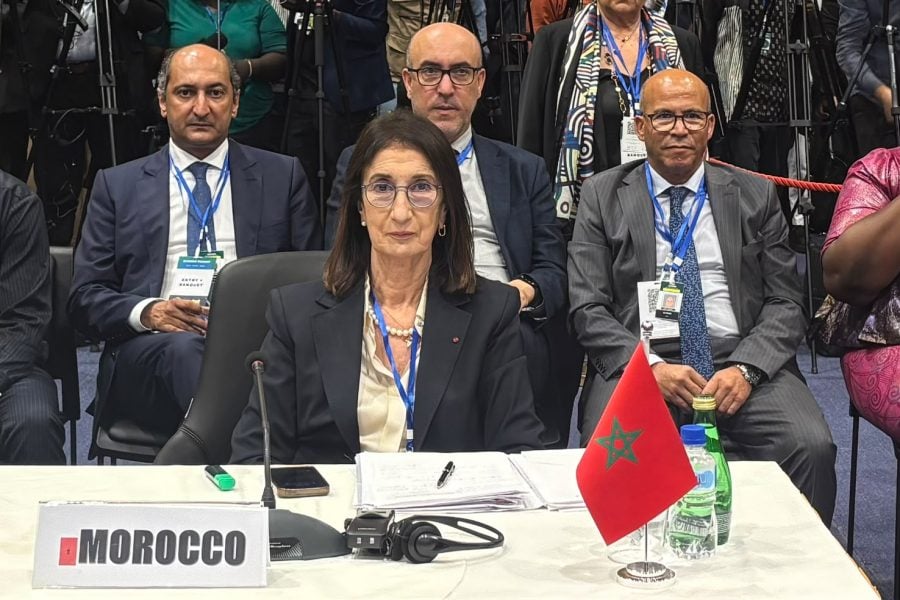
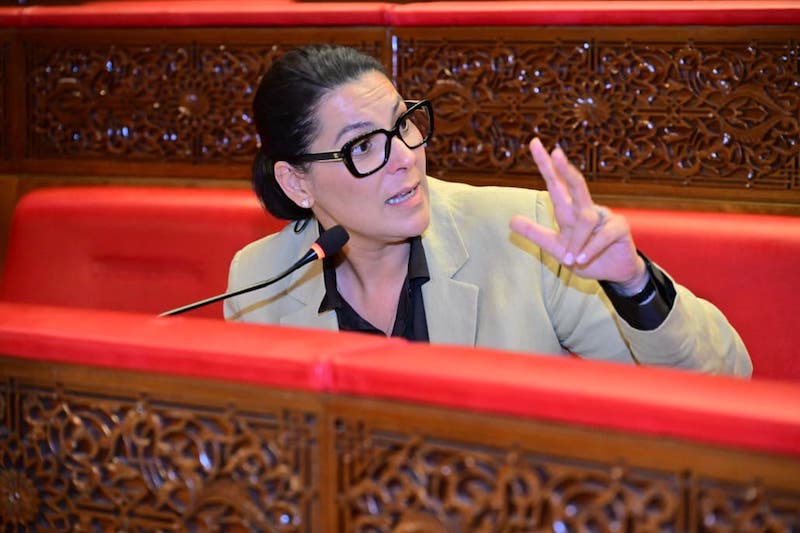
Moroccan Energy Transition and Sustainable Development Minister Leila Benali announced this week before the House of Councillors that the $25 billion Nigeria-Morocco gas pipeline is entering a critical new phase. The project aims to position Morocco as a major energy corridor connecting Africa with Europe and the Atlantic basin.
Stretching over 6,000 kilometers across 14 countries, the pipeline will carry up to 30 billion cubic meters of natural gas annually, potentially supplying energy to more than 400 million people across West Africa.
According to Benali, feasibility and engineering studies have been completed, and the optimal route for the pipeline has been identified. A host-country agreement and a multilateral intergovernmental accord among participating states have also been ratified.
The project, jointly initiated by Morocco’s National Office of Hydrocarbons and Mines (ONHYM) and Nigeria’s National Petroleum Company Limited (NNPCL), will unfold in several phases. The final investment decision is expected by the end of 2025.
Meanwhile, Morocco is also expanding its national gas infrastructure. In April, the government launched calls for expressions of interest to develop a domestic gas network linking the port of Nador to Kenitra, Mohammedia, and Dakhla — a future hub for connecting with the transcontinental pipeline.
Energy experts have praised the project’s maturity and strategic alignment with West African development goals. International renewable energy specialist Abdessamad Mellouki highlighted the project’s “geo-strategic importance and growing global interest,” especially from Europe and the U.S. He noted that Morocco has already begun topographical surveys and is developing a liquefied natural gas terminal in Nador.
Still, challenges remain. “The project faces significant infrastructure and financing hurdles,” Mellouki said, adding that Moroccan authorities must continue to address these constraints, particularly those related to logistics and legal frameworks in the countries along the pipeline’s path — including the volatile Sahel and Sahara regions.
Amin Bennouna, an energy professor and former academic at Marrakesh’s Faculty of Sciences, emphasized the project’s phased structure, describing it as a long-term venture now entering a crucial financial and commercial phase. He noted that 13 lateral pipelines will branch into each participating country from the main offshore line.
Bennouna also explained the formation of a “special-purpose vehicle” as a key corporate step in mobilizing investors. “The financial blueprint lays out projected costs, revenue forecasts, and investment returns,” he said, noting that backing has already emerged from Emirati investors and the African Energy Bank.
With technical and commercial groundwork complete, Morocco and Nigeria are poised to make one of the most significant investment decisions in the continent’s energy future — one that could redefine regional development and energy access for decades to come.





add your comment
Terms of publication : Not to offend the writer, people, sacred things, or attack religions or the divine self, and refrain from racist incitement and insults.