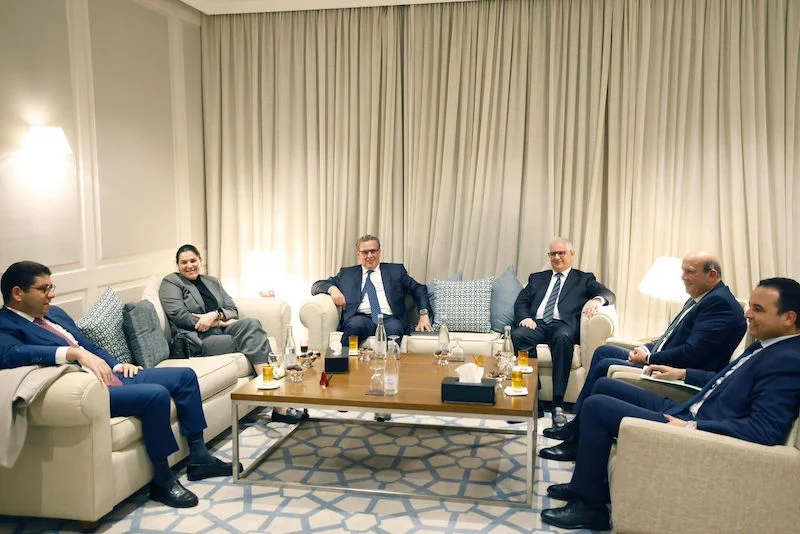
Morocco’s ruling coalition is showing signs of strain as its member parties begin positioning themselves for the 2026 legislative elections, with rising tensions threatening the cohesion that marked the early years of Prime Minister Aziz Akhannouch’s government.
Political fault lines are emerging in key municipalities, with coalition members increasingly at odds.
In Tangier, Mohamed El Hammami, a Member of Parliament and district president for Beni Makada from the Istiqlal Party, publicly criticized the city’s administration, led by Mayor Mounir Limouri of the Authenticity and Modernity Party (PAM).
El Hammami declared his party would no longer “bear the consequences” of what he called poor local governance—an unusually direct rebuke that underscores growing friction between coalition partners.
Similar tensions have surfaced in Casablanca and Rabat, reflecting a broader pattern of intra-coalition discord across the country.
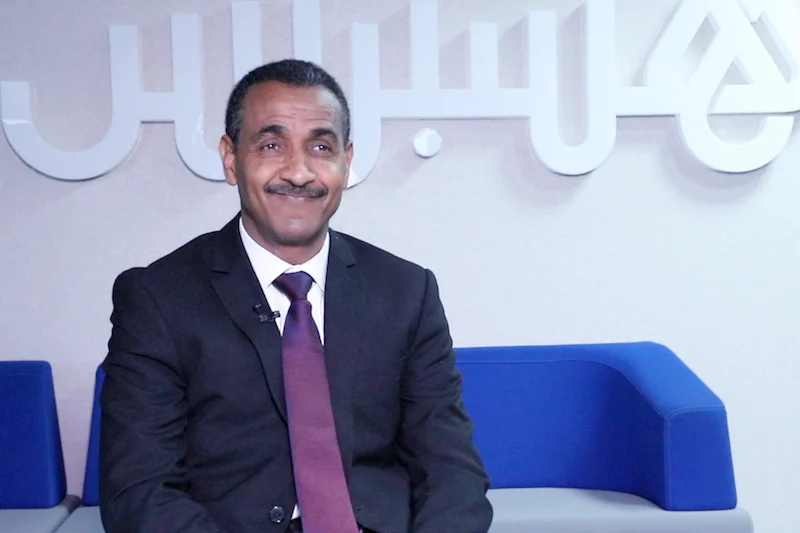
“As the election countdown begins, conflicts within municipal councils are becoming more visible, especially among the three main governing parties,” said Abdellah Abou Aouf, a political analyst and professor.
He noted that the National Rally of Independents (RNI), PAM, and Istiqlal are increasingly reluctant to share responsibility for local governance failures, often shifting blame solely to the mayor’s party.
This dynamic, Abou Aouf warned, “undermines the ethical principle of shared governance” and suggests that the fiercest political battles in the lead-up to 2026 may be fought within the coalition, rather than between the coalition and the opposition.
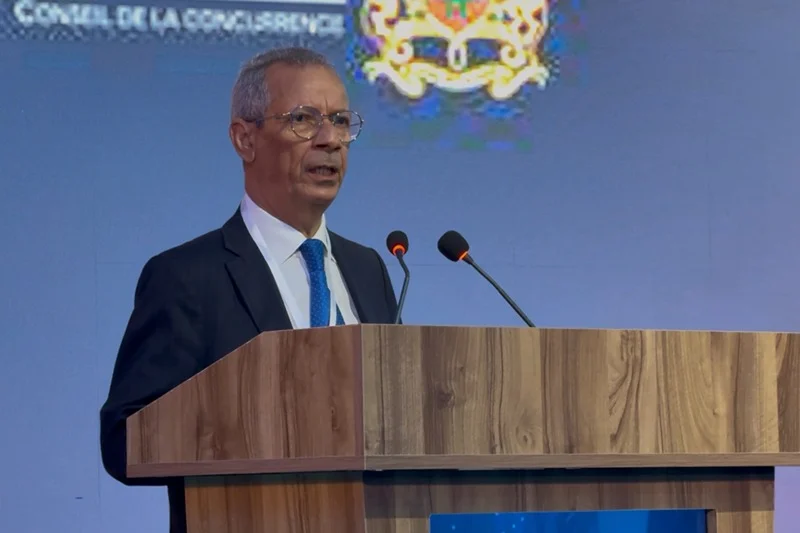
Abdelhafid El Younsi, a political science professor at Hassan I University in Settat, pointed to a troubled rollout of the tripartite alliance at the municipal level.
He cited the use of Article 70 of the Organizational Law on Municipalities, which has led to the removal or resignation of several local council presidents—including in Ben Guerir, the Hassan district, and the capital, Rabat.
These early warning signs, El Younsi said, have intensified as elections near, fueling both political polarization and administrative paralysis.
He criticized national party leaders for failing to rein in local actors who appear more focused on electoral calculations than on upholding the coalition’s political and ethical commitments.
As Morocco inches closer to 2026, the unraveling unity of the governing alliance raises questions about the stability and effectiveness of governance, not just locally but nationally.
Analysts say internal rivalries could prove more disruptive than any external challenge from opposition parties.



add your comment
Terms of publication : Not to offend the writer, people, sacred things, or attack religions or the divine self, and refrain from racist incitement and insults.