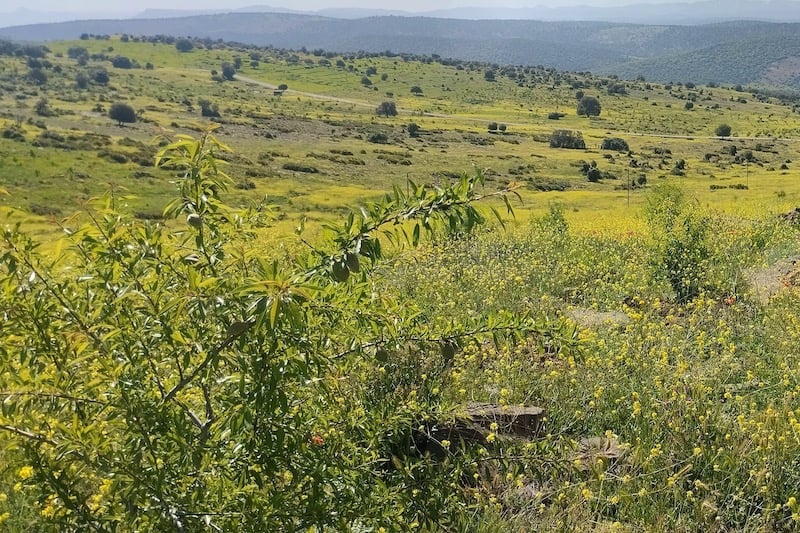
In the remote reaches of Azilal province, just four kilometers from the rural center of Ait Oukbli, a once-parched hillside now stretches green with thousands of almond trees — young saplings planted not by commercial farms or state agencies, but by the hands of local villagers determined to rewrite their future.
In 2017, amid worsening droughts that pushed agriculture in the area to the brink of collapse, residents of Ighboula convened a series of meetings with local actors. The result was the founding of the Ait Mansour Agricultural Association — a grassroots effort to organize community action and coordinate with public and private partners.
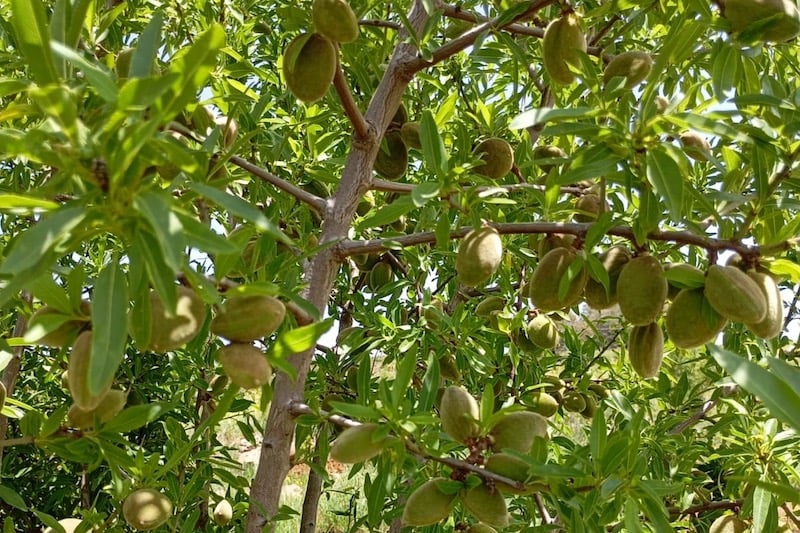
Institutional support was scarce, resources limited, and skepticism abundant. But local resolve proved stronger. The association launched an internal awareness campaign, encouraging residents to contribute however they could — financially, physically, and with their time. Youth led planting efforts, transforming the village into a scene of rare collective solidarity.
“Every tree here was planted by someone from the village,” said Mohamed Azouch, vice president of the association. “Each handful of soil carries a story of struggle and perseverance.”
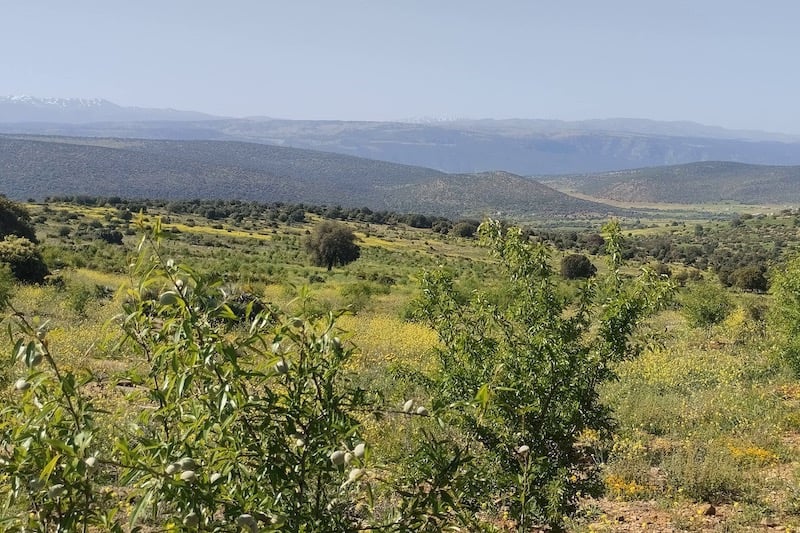
Against the odds, the community planted 82,000 almond saplings across 400 hectares. Monthly member contributions helped cover maintenance and pay for a full-time caretaker. What began as a desperate response to environmental hardship has since become a symbol of resilience.
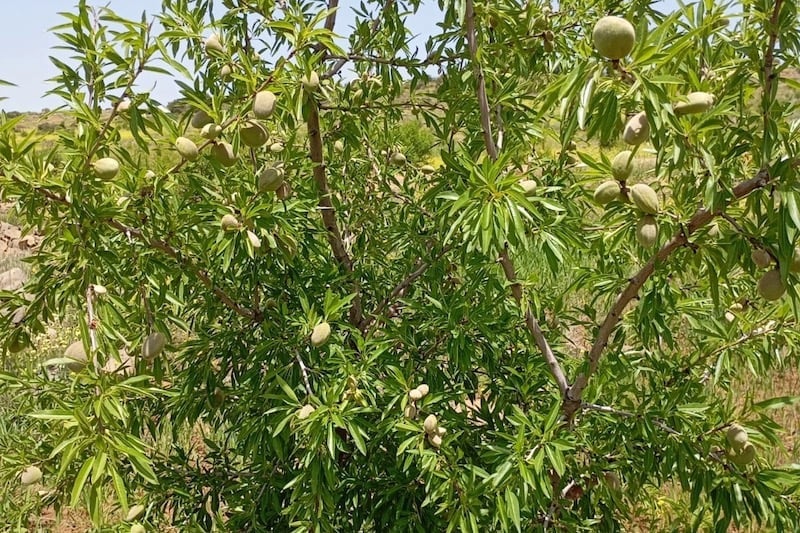
Five years in, the trees have begun to bear fruit. While yields remain modest, the social and economic impact is already visible. Families that had left the village during the harshest years of drought are beginning to return. Some have even rebuilt their homes.
“We thought migration was our fate,” said one returning resident. “But this land has shown it can give back if nurtured properly.”
The village is slowly coming back to life. New homes are being built, abandoned plots reclaimed, and a renewed sense of purpose is taking hold.
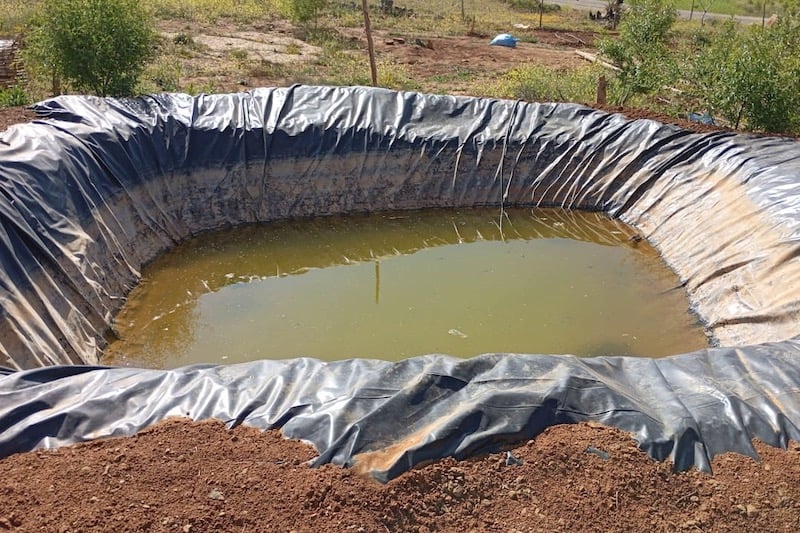
Still, challenges persist. The project — powered almost entirely by volunteerism — now urgently requires institutional backing to ensure its long-term sustainability. Azouch emphasized the need for modern irrigation systems, water storage facilities, additional saplings, and technical training to protect the trees from fungal diseases and climate-related threats.
Experts agree that scientific support and government involvement are crucial. Advanced irrigation, disease management, and financial aid could transform the project into a scalable model for sustainable development in other rural communities.
Omar Ouzayd, a local environmental and social development advocate, sees the Ighboula initiative as a testament to what participatory development can achieve. “When people feel ownership over their project, success becomes inevitable. External support matters, but local will is the true engine of change.”
“Ighboula is no longer just a name on a forgotten rural map,” Azouch said. “It’s a symbol of what can happen when hope is planted in the soil, and a community dares to believe in itself.”








add your comment
Terms of publication : Not to offend the writer, people, sacred things, or attack religions or the divine self, and refrain from racist incitement and insults.