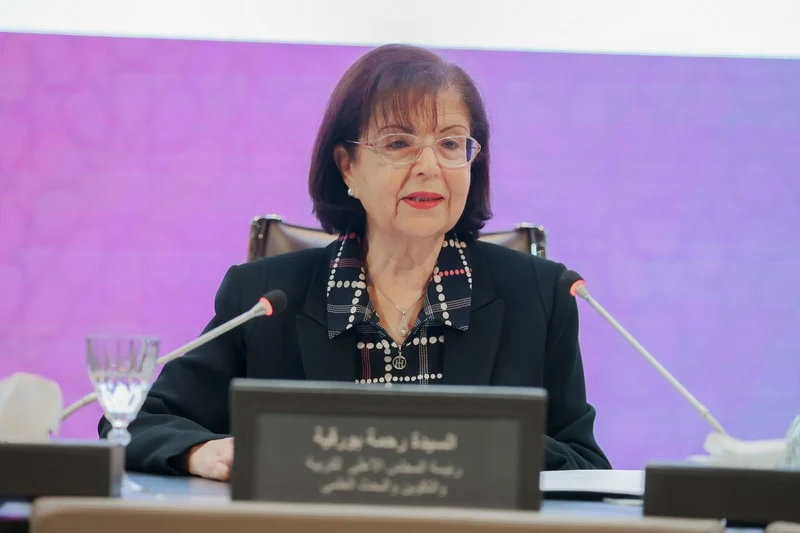
Morocco’s top education official says the country’s school system is marked by a “paradox” — producing world-class graduates while simultaneously failing a significant portion of its students.
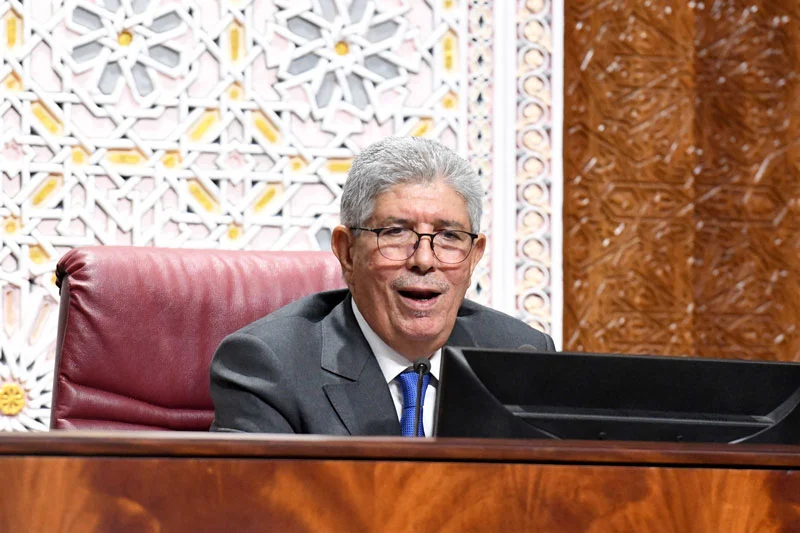
Speaking at the opening of the General Assembly of the Higher Council for Education, Training, and Scientific Research on Wednesday, Council President Rahma Bourqia highlighted two opposing realities shaping Morocco’s educational landscape.
“On one hand, our system is capable of producing outstanding graduates whose academic performance rivals that of top international institutions,” said Bourqia. “Many of them gain access to prestigious global universities and elite schools.”
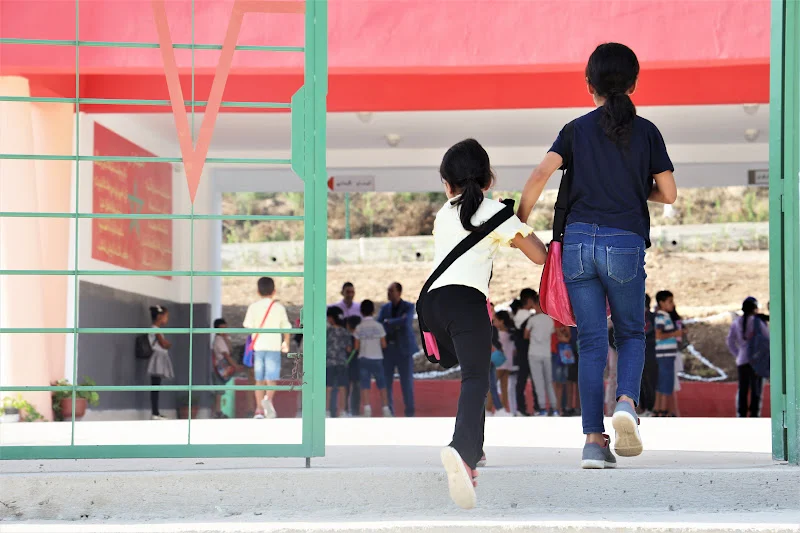
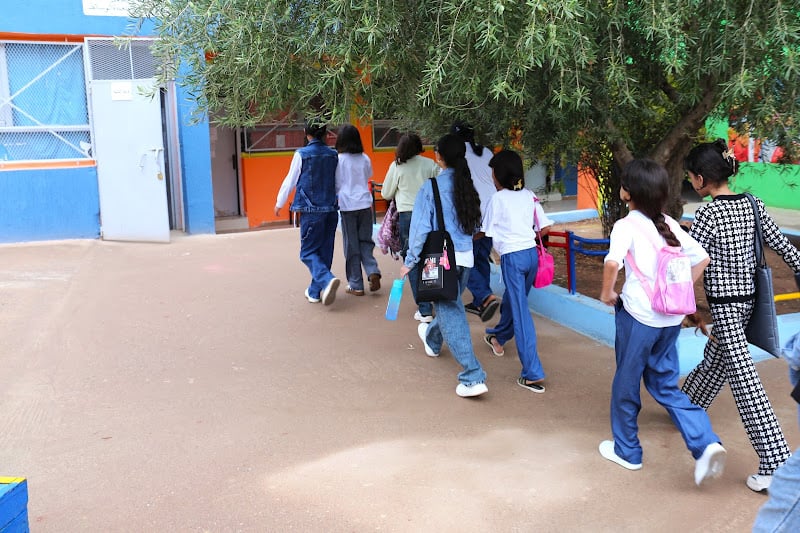
But on the other hand, she continued, credible national and international studies show widespread challenges including high repetition rates and school dropouts. “A large number of students leave school before completing basic education, without benefiting from secondary-level programs,” she warned.
Bourqia said reducing the number of dropouts is a central challenge for ongoing reforms. “Dropouts feed illiteracy, social vulnerability, and both material and intellectual poverty,” she stated. “They are a major barrier to social mobility.”
The Council chief acknowledged efforts by the Ministry of Education to address the issue through initiatives like the “Pioneering Schools” program, aimed at curbing repetition and early school leaving. But she stressed that the next phase of reform must be seen as decisive.
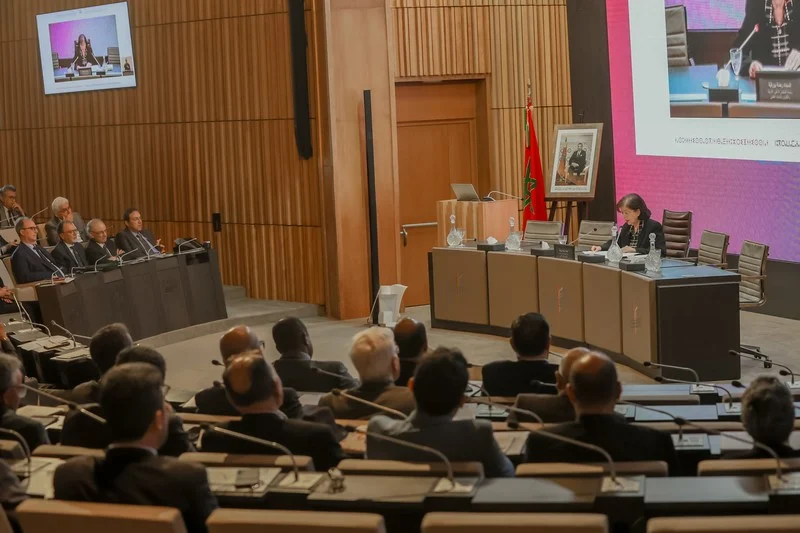
“We need to identify and correct the systemic weaknesses behind school dropouts through deep, sustainable action,” Bourqia said. “This moment demands faster implementation of reforms and the development of innovative mechanisms to support them.”
She added that the global education landscape is constantly evolving, driven by advancements in pedagogy, learning theory, and scientific knowledge. “Education must adapt to each new societal and technological phase with constant vigilance and innovation.”
Bourqia also touched on the rapid advances in neuroscience and artificial intelligence, and their potential impacts on how future generations are educated. “We must ask ourselves: how do we prepare today’s youth to live in a digital world shaped by AI?”
Technological change, including social media and AI, is not just reshaping communication and research — it is also altering cognitive abilities and behavior, she noted.
“Our system was caught off guard by this digital revolution as it was still undergoing reform,” said Bourqia. “Young people have entered a virtual world with no clear rules, regulation, or ethical standards. Schools must now rethink their role in preparing students to navigate this world safely and responsibly.”




add your comment
Terms of publication : Not to offend the writer, people, sacred things, or attack religions or the divine self, and refrain from racist incitement and insults.