
The 30th edition of the International Book and Publishing Fair (SIEL) in Rabat has placed inclusivity at the heart of its programming, reflecting Morocco’s ongoing commitment to making culture and knowledge accessible to all, including people with hearing and visual impairments.
This year’s fair introduced a range of accessibility initiatives aimed at ensuring that visitors with disabilities could fully engage with the event. From sign language interpretation to Braille materials, the fair provided accommodations that allowed all attendees to participate in the intellectual and cultural offerings.

Bridging Communication Gaps
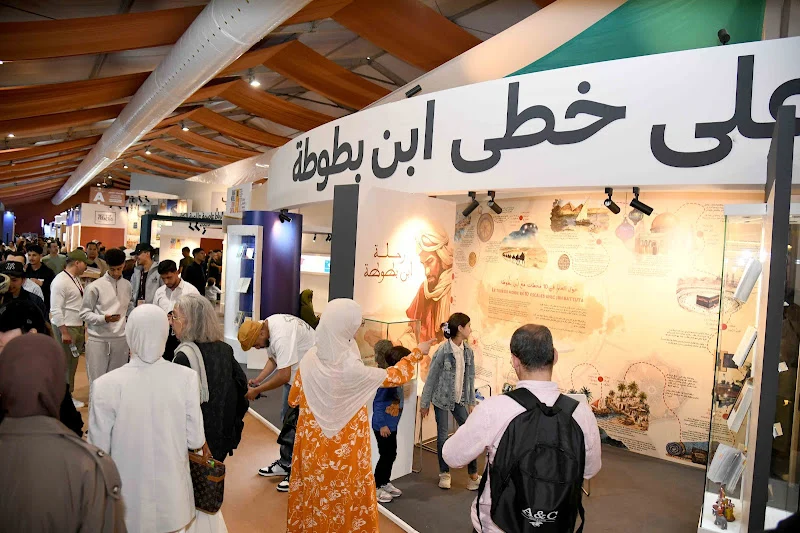
For Tarik Boughaba, one of the 300,000 Moroccans living with hearing impairments, his curiosity led him to explore the fair’s many booths and stands. However, his experience was often marred by frustration when no interpreters were available at some of the booths.
“You just walk away, looking for a place where your language is respected and your rights are acknowledged,” Boughaba said, emphasizing the importance of sign language interpreters at public events.
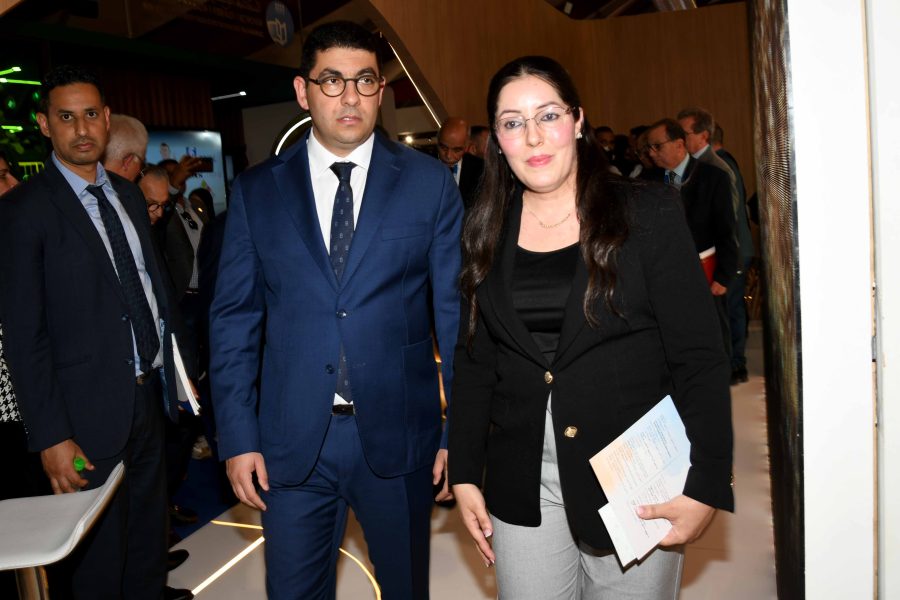
The situation took a positive turn with the presence of certified sign language interpreters like Hind Ahlaw, whose work proved invaluable in making the fair accessible to the hearing-impaired community. Her presence, alongside other interpreters, helped bridge communication gaps, allowing people like Boughaba to engage fully in the event.

Breaking the Silence
Ahlaw, who has worked at several editions of SIEL, emphasized the importance of interpreters in providing equal access to opportunities for learning and growth. “Without interpreters, though, it can feel like they’re trapped in a bubble, unable to connect with what’s going on in the world,” Ahlaw told Hespress English.
Having grown up with sign language, thanks to her older sister’s involvement in the deaf community, Ahlaw understands firsthand the critical role interpreters play in ensuring that everyone can participate, whether they are actively interested in the event or not.

“Just as people with hearing ability can understand everything happening around them, deaf individuals also want to know what’s going on,” she said. Her passion for sign language stems from a desire to address the shortage of qualified interpreters and the unstandardized language used within the deaf community.
Ahlaw noted that the National Human Rights Council (CNDH) was the first to integrate sign language interpretation at several SIEL editions, a service that has now expanded to other stands this year. This, she said, “reflects a growing awareness of the deaf community’s right to learn, participate, and feel included in wider Moroccan society.”
A Voice from the Community
Boughaba, who is also the President of the Deaf and Non-Verbal Association in Salé, expressed his appreciation for the interpreters at SIEL. He explained that the presence of interpreters makes events feel more inclusive, whereas the absence of interpreters can leave deaf individuals feeling isolated and disconnected.
“It’s like watching a movie where everyone is laughing, and you’re completely lost. That’s what it feels like for deaf people when no interpreters are present,” Boughaba said. “Providing interpreters is the very least that can be done — it’s a basic right for the deaf community.”
Braille for Inclusivity
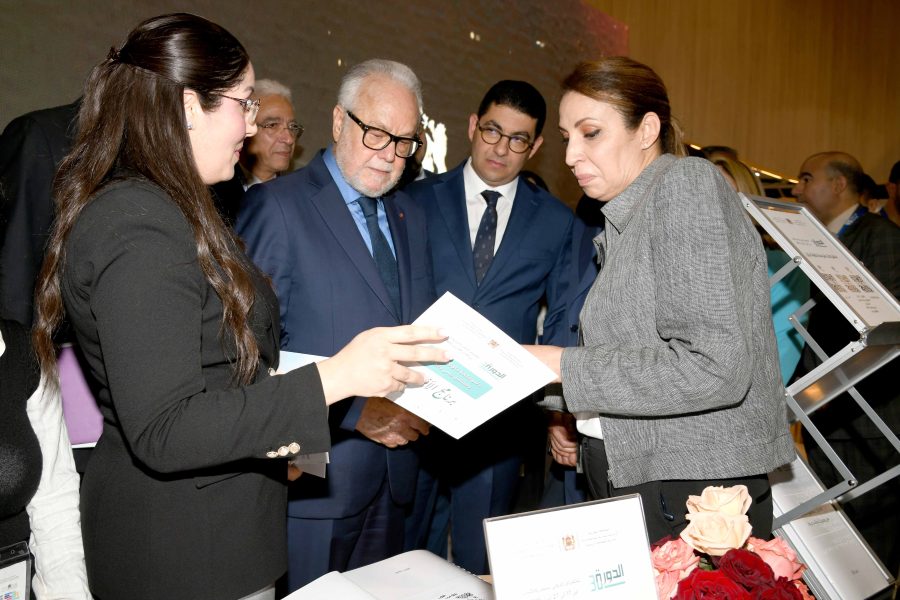
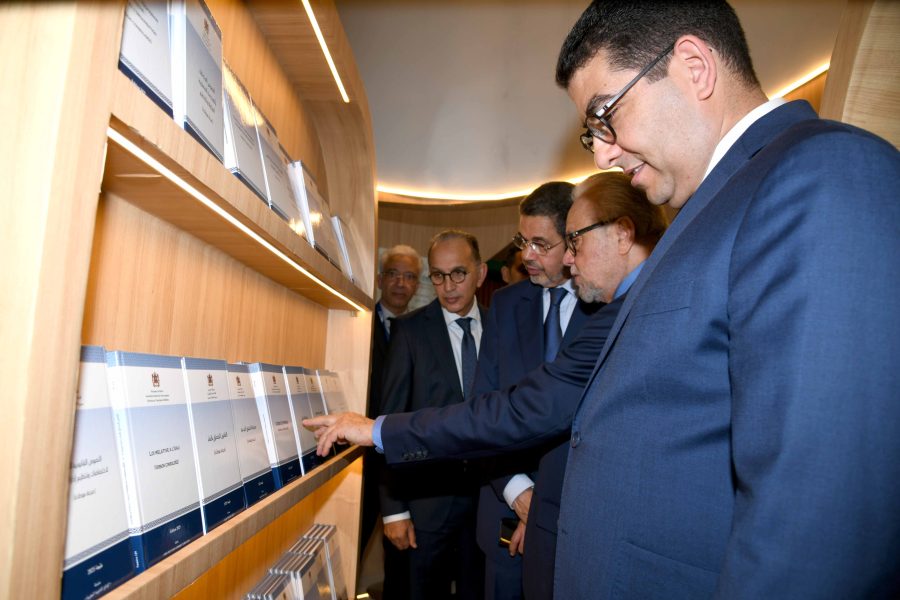
In addition to sign language interpretation, the fair also catered to the visually impaired. The General Secretariat of the Government’s booth provided Braille versions of the Moroccan Constitution and the Framework Law on the Rights of Persons with Disabilities. These resources, along with the fair’s programs, helped ensure that visitors with visual disabilities could participate meaningfully.
Chanaz Essakli, Legal Advisor at the General Secretariat of the Government, emphasized the positive feedback received from visitors with visual impairments, who found the Braille materials essential. “As a public institution, we see it as our duty to ensure full inclusion and accessibility,” Essakli said.

In response to the feedback, the Directorate of the Official Printing Office, which is responsible for making legal information accessible, announced plans to integrate Braille versions into all future releases. The office also launched a smart digital platform powered by artificial intelligence, featuring a search engine, voice recognition, and a built-in voice assistant, to ensure equal access to legal information for people with disabilities.
Physical Accessibility Considerations
The General Secretariat of the Government’s booth was also designed with physical accessibility in mind, ensuring that people with motor disabilities could navigate the space with ease.
This year’s SIEL not only highlighted the importance of cultural and intellectual accessibility but also showcased Morocco’s commitment to fostering an inclusive environment for all its citizens.



add your comment
Terms of publication : Not to offend the writer, people, sacred things, or attack religions or the divine self, and refrain from racist incitement and insults.