
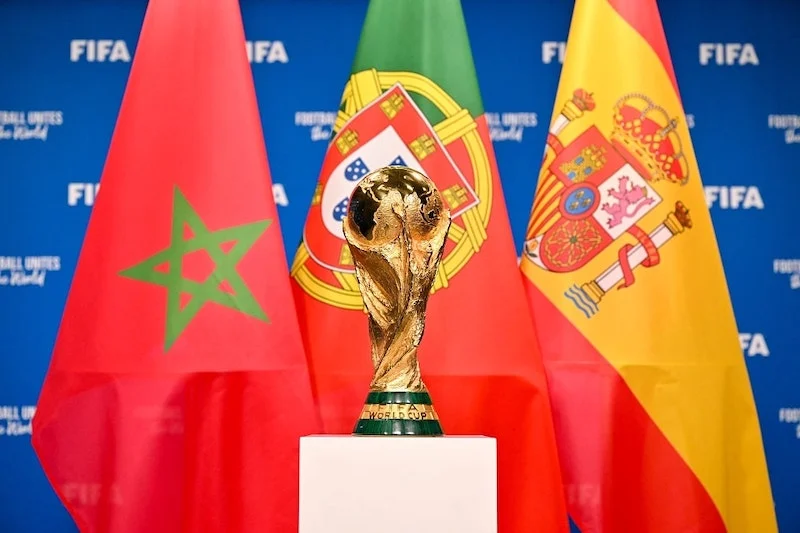
The economic partnership between Morocco and France is gaining new momentum through joint projects tied to the 2030 FIFA World Cup, as both countries seek to merge business interests and cultural ties.
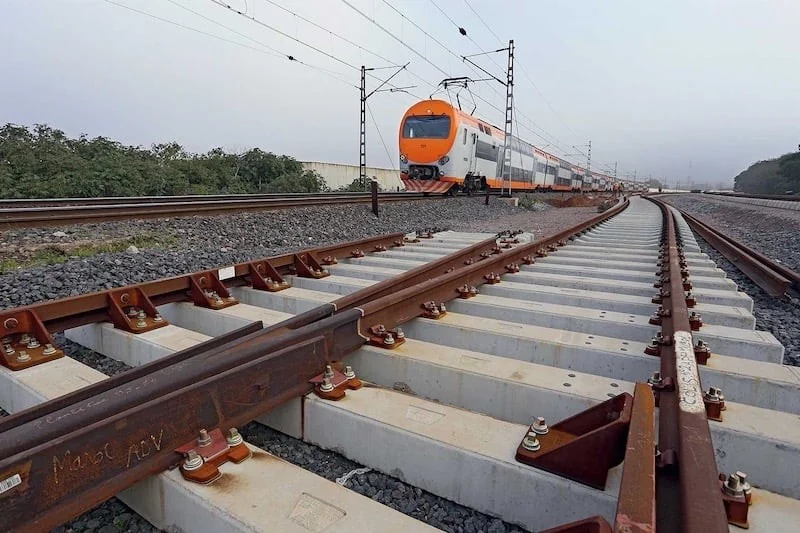
A long-anticipated bilateral business forum was officially launched Thursday, spotlighting shared ambitions in infrastructure, high-speed rail, 5G technology, and the construction of a record-breaking stadium in Benslimane.
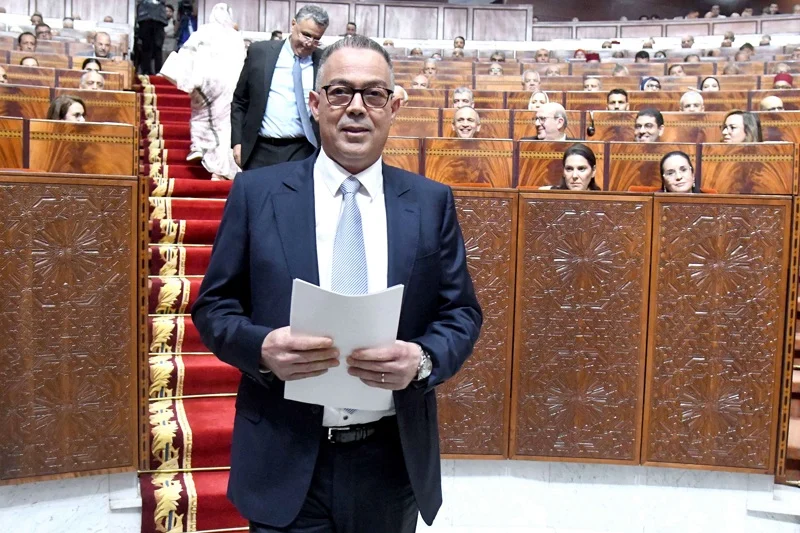
Fouzi Lekjaa, president of the Royal Moroccan Football Federation and head of Morocco’s 2030 World Cup organizing committee, said the relationship with France goes beyond a sporting event. “What connects us with the French Republic is rooted deeply in human civilization and has shaped world history,” Lekjaa said during the event at the Mohammed VI Complex in Maâmoura.
He described the Morocco-France bond as a “model for cooperation across the Mediterranean” and emphasized the opportunity presented by hosting the World Cup to build a legacy of human and cultural bridges for future generations.
Lekjaa also highlighted the importance of integrating sectoral policies through such major events, saying the World Cup forces cross-sectoral alignment and serves as a platform to harness both French expertise and Moroccan youth energy to deliver global success.
“This is not only in the interest of our business communities,” he added, “but also for our young people and the shared political will expressed clearly by both countries’ leaders.”
The business forum gathered French and Moroccan entrepreneurs and stakeholders, aiming to provide structured follow-up on all partnerships connected to the 2030 tournament.
French Minister Delegate for Foreign Trade and Affairs of French Citizens Abroad Laurent Saint-Martin, who met with Lekjaa, said the forum marks the realization of a “shared vision” between Rabat and Paris. “It paves the way for new partnerships, particularly in the rapidly growing sports economy sector,” he noted.
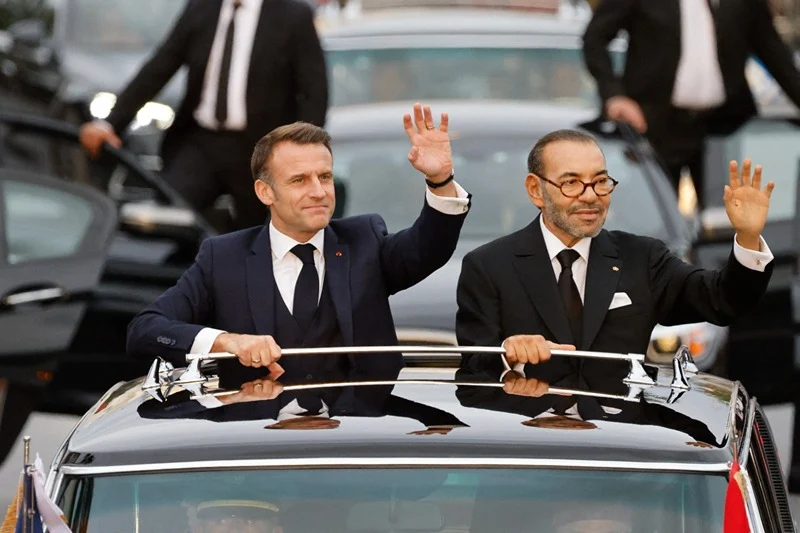
Saint-Martin underscored the strong economic ties between the two nations, boosted recently by high-level political backing, including French President Emmanuel Macron’s last visit to Morocco. He affirmed that current business relations between French and Moroccan firms are “excellent.”
France has expressed interest in Morocco’s World Cup-linked infrastructure projects, especially the extension of the high-speed train line to Marrakesh—potentially in collaboration with French transport firm Alstom—as well as the development of 5G networks and hotel infrastructure to accommodate an estimated one million visitors during the tournament.
A central feature of the collaboration is the planned construction of the world’s largest stadium in Benslimane, which will hold up to 115,000 spectators. Saint-Martin described the project as “a symbol of Morocco’s sporting and economic ambition.”
The minister also stressed the importance of organizing the 2030 World Cup sustainably. He urged investment in low-carbon infrastructure and eco-friendly innovations, echoing France’s own approach to the upcoming Paris 2024 Olympics.
“France and Morocco now belong to an exclusive club of nations capable of hosting major global sporting events,” Saint-Martin said, citing France’s recent track record with Euro 2016, the 2019 Women’s World Cup, the 2023 Rugby World Cup, and the 2024 Olympics. Morocco, he noted, is set to host a series of key tournaments, including five consecutive editions of the U-17 Women’s World Cup.
add your comment
Terms of publication : Not to offend the writer, people, sacred things, or attack religions or the divine self, and refrain from racist incitement and insults.