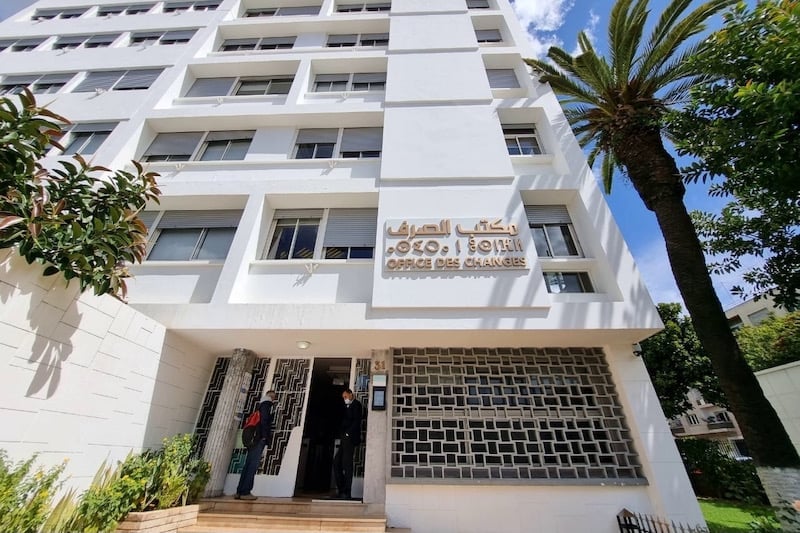
Morocco’s Foreign Exchange Office has launched investigations into a series of disputes between wealthy Moroccan nationals and luxury jewelry and watch retailers in Europe, particularly in France and Luxembourg.
The cases have exposed possible violations of foreign exchange regulations and suspicious financial transactions.
According to informed sources speaking to Hespress AR, the investigations were triggered by reports indicating that several high-end purchases made abroad were not declared at Moroccan borders, as required by law.
Some of the amounts spent far exceeded the foreign travel allowances authorized by Morocco’s exchange authority.
Officials have begun notifying individuals implicated in these investigations, requesting formal justification for the payment methods used. The inquiries were made possible through international cooperation with counterpart agencies and a review of purchase invoices.
The probe centers on disputes involving expensive timepieces purchased by Moroccan elites from Swiss luxury brands. One case involves a Moroccan businessman who sued a Parisian retailer for failing to repair a watch costing over €68,000, which malfunctioned during the warranty period.
Further investigation into the businessman’s travel history and declared allowances over the past four years raised suspicions of undeclared foreign currency transfers. Evidence suggests funds were moved abroad through accounts belonging to foreign nationals and Moroccans living overseas before the goods were re-registered in Morocco as used items to avoid scrutiny.
Monitors from the Foreign Exchange Office discovered high, undeclared expenditures during trips abroad that conflicted with the amounts declared at customs checkpoints.
Luxury items such as designer watches and jewelry were often acquired through foreign bank transfers, then reassigned to Moroccan owners under post-sale transfer agreements.
To track these discrepancies, officials have increasingly relied on digital tools, including social media analysis. By reviewing public posts from affluent individuals documenting luxury purchases and travel, authorities have gained additional insights into financial behaviors that may contradict official declarations made at Moroccan borders.
Under EU law, luxury goods sold to consumers are covered by a two-year legal warranty, which includes protection against defects at the time of delivery. Buyers can claim free repairs or replacements during this period. Some retailers offer extended or lifetime warranties, covering features such as water resistance or gemstone quality, provided maintenance is conducted through authorized service centers and proof of purchase is available.
The Moroccan authorities’ latest moves highlight a broader strategy to clamp down on illicit capital outflows and enforce foreign exchange compliance, leveraging both international data-sharing and digital footprint analysis to detect violations.





add your comment
Terms of publication : Not to offend the writer, people, sacred things, or attack religions or the divine self, and refrain from racist incitement and insults.