
UN envoy Staffan de Mistura is unlikely to step down from his role in the Sahara file following a recent shift in stance that appears to align more closely with the U.S.-supported Moroccan autonomy proposal, according to a report by the Institute for Geopolitical Horizons (IGH).
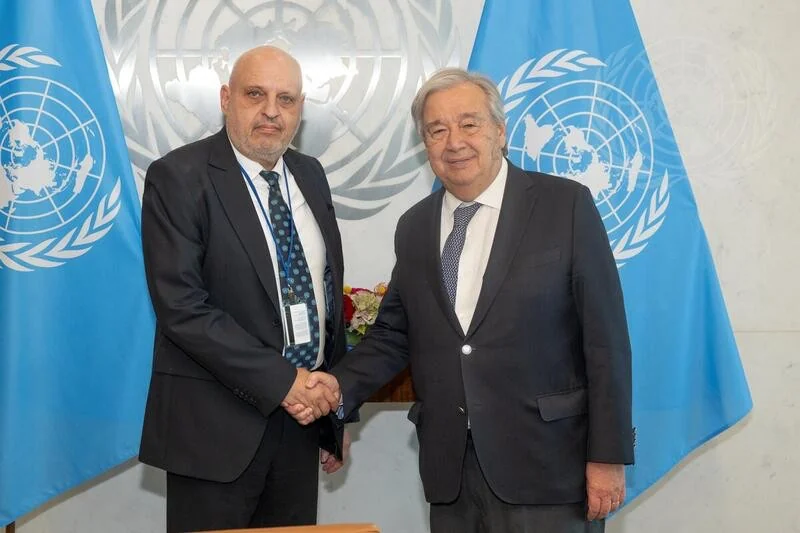
IGH said the change came after a key meeting between De Mistura and senior U.S. diplomat Lisa Kenna, during which the American official outlined Washington’s position and presented a detailed roadmap backing autonomy under Moroccan sovereignty as the sole practical and sustainable solution to the decades-long conflict.
The meeting reportedly prompted De Mistura to reconsider his approach and engage more directly with the American framework, which seeks to accelerate a resolution to the dispute.
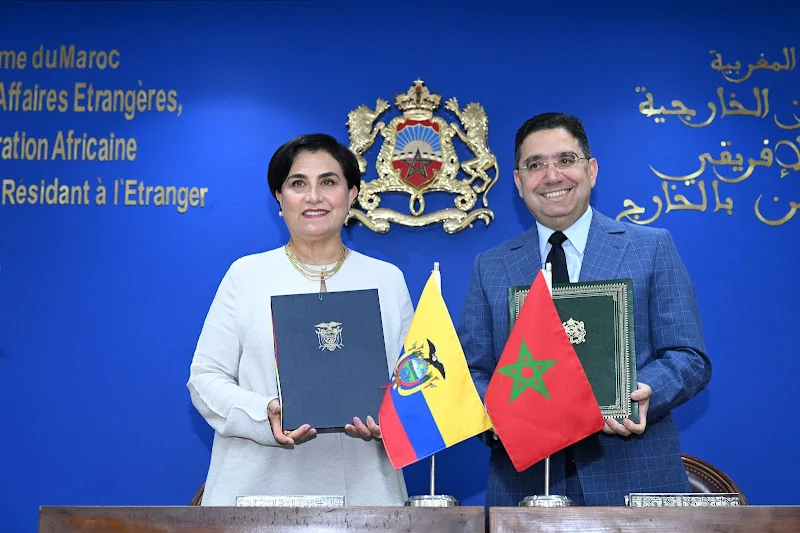
The report aligns with remarks made by U.S. Secretary of State Marco Rubio on April 5 following talks with Moroccan Foreign Minister Nasser Bourita.
Rubio reaffirmed U.S. support for Morocco’s sovereignty over the disputed territory and described the autonomy initiative as the “serious, realistic and only viable solution.” He called for immediate negotiations based on the Moroccan plan alone.
The U.S.-proposed roadmap reportedly includes four key points: abandoning alternative proposals, transforming the UN peacekeeping mission MINURSO into a mechanism to support implementation on the ground, establishing a strict timeline for negotiations, and enhancing the role of the UN Security Council’s Group of Friends of Western Sahara while reducing the influence of what the report described as obstructive actors, including Algeria.
IGH also cited growing U.S. pressure, including potential cuts to MINURSO funding, and political calls from U.S. lawmakers to reclassify the Polisario Front as a terrorist group. It referenced an op-ed by analyst Michael Rubin criticizing the UN mission’s decades-long lack of progress.
If De Mistura’s mandate is renewed during an upcoming UN Security Council session later this month, it could signal a broader institutional shift, with the UN moving away from the long-held referendum option and closer to Morocco’s autonomy proposal—an approach that has received increasing international support.
Rabat is expected to welcome the development, while Algiers and the Polisario Front are likely to reject it, viewing the shift as a tilt toward Moroccan interests.
IGH noted the possibility of divided responses among European nations, with some backing a pragmatic resolution and others adopting a more cautious stance.
The developments come as Morocco marks the 50th anniversary of the Green March, a symbolic moment in the country’s claim over the Sahara.
The report suggests 2025 could represent a turning point in the long-running dispute, with growing consensus around Morocco’s plan seen as laying a new foundation for final negotiations.
add your comment
Terms of publication : Not to offend the writer, people, sacred things, or attack religions or the divine self, and refrain from racist incitement and insults.