
King Mohammed VI’s latest appointments reflect a push for progress, with new heads for the body overseeing the government’s performance in education reform and the ministerial delegation for human rights, along with the reappointment of the National Human Rights Council head, all aimed at bringing fresh momentum to these key institutions.
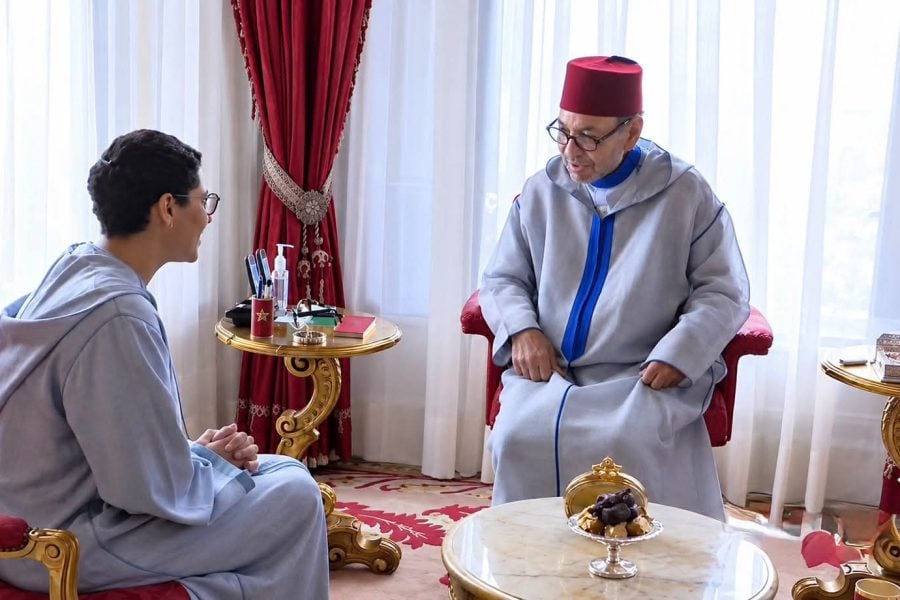
The appointment of Mohammed Habib Belkouch as the ministerial delegate for human rights, and the continuation of Amina Bouayach’s leadership at the National Human Rights Council, signal a dedication to strengthening and safeguarding rights and freedoms in Morocco. Both officials bring extensive experience, having held key positions in the human rights field.
With just five years left in the strategic vision for education reform (2015-2030), naming Rahma Bourkia as head of the Higher Council for Education—where she previously served as head of the national evaluation body—suggests a push to assess government education policies more effectively and address gaps.
Ensuring continuity
Hassan Idrissi, President of the Moroccan Organization for Human Rights, sees King Mohammed VI’s appointments as a commitment to strengthening key human rights institutions.
He believes the choice of Amina Bouayach and Mohamed Habib Belkouch reassures the future of these institutions, which have been vital in advancing rights and freedoms in Morocco.
Idrissi told Hespress that Belkouch’s appointment fills a significant gap left in the Ministerial Delegation for Human Rights following the passing of the late Chaouki Benyoub.
He emphasized that this was a timely decision with high expectations, given Belkouch’s long-standing role in Morocco’s human rights movement.
He also views Bouayach’s reappointment as a recognition of her leadership, highlighting her role in establishing the National Mechanism for the Prevention of Torture and shifting the council’s influence from the UN level to a stronger presence in Africa.
A fresh push for evaluation
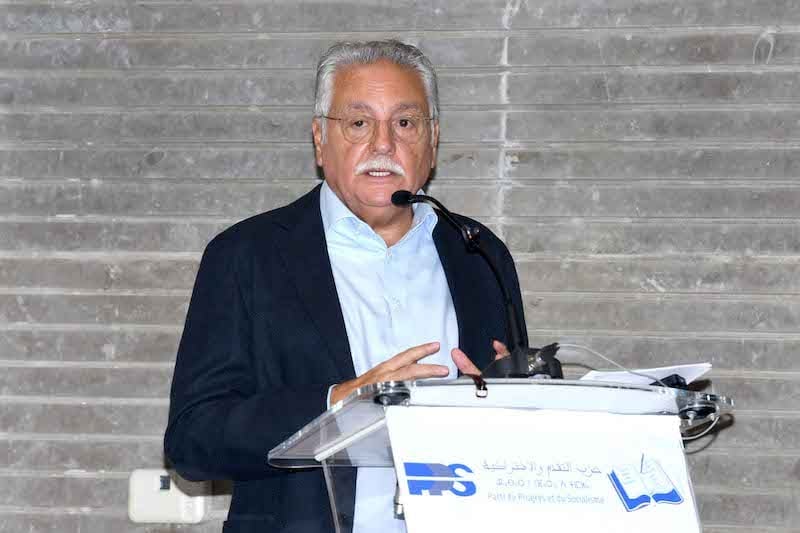
Khalid Samadi, a former member of the Supreme Council for Education and Training, emphasized that Rahma Bourkia’s appointment follows her previous role as director of the National Evaluation Body within the council, highlighting her significant expertise in the mechanisms of evaluating and monitoring education reform.
Samadi believes the appointment aims to bring new energy into the council’s evaluation process, particularly concerning the implementation of education reforms.
With only five years remaining in the 2015-2030 strategic reform plan, he stressed the need for accelerated action to avoid a new emergency program like the one from 2009-2012.
He said that Bourkia’s return is seen as a way to create a new dynamic within the council’s evaluation process, in particular for evaluations of the governments general educational policies.
He also pointed out that the council’s recent reports on the New School and Pioneer School initiatives were seen by some as a hint that the former might replace the latter due to the challenges it is facing.
Samadi acknowledged the complexity of implementing the New School vision, emphasizing the need for mobilized efforts and accelerated implementation.


add your comment
Terms of publication : Not to offend the writer, people, sacred things, or attack religions or the divine self, and refrain from racist incitement and insults.