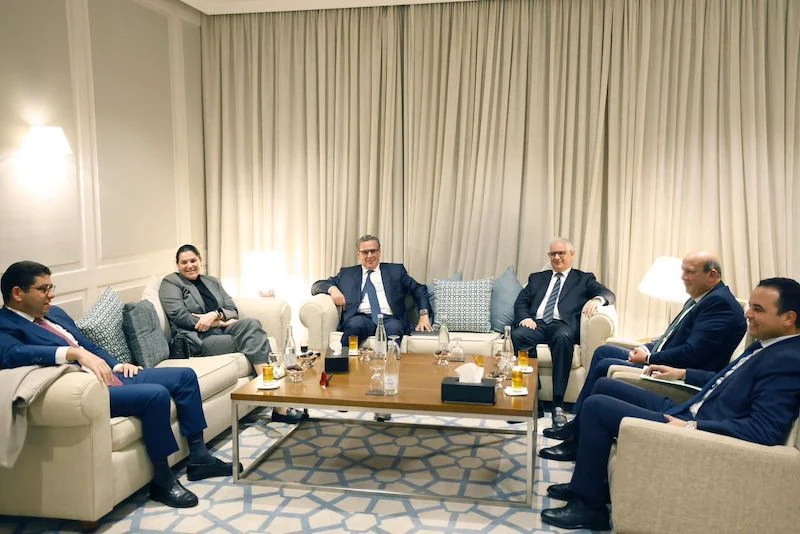
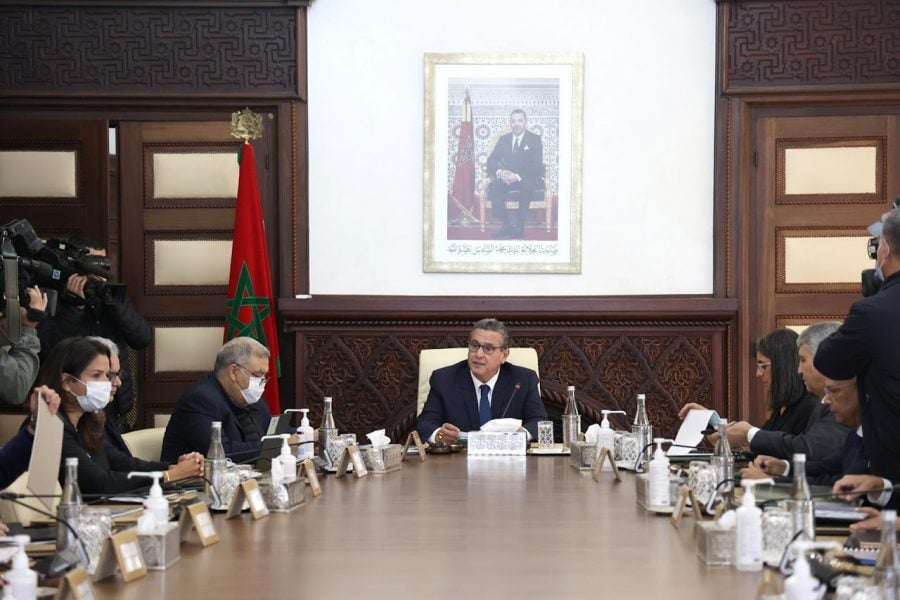
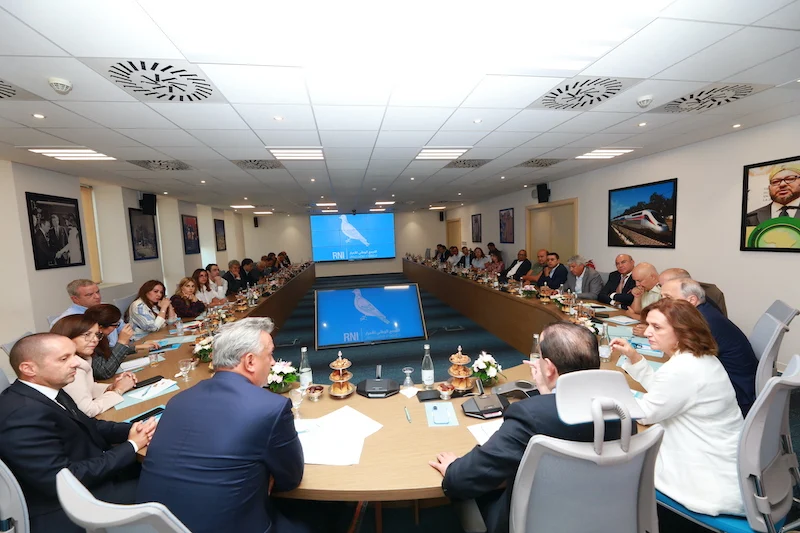
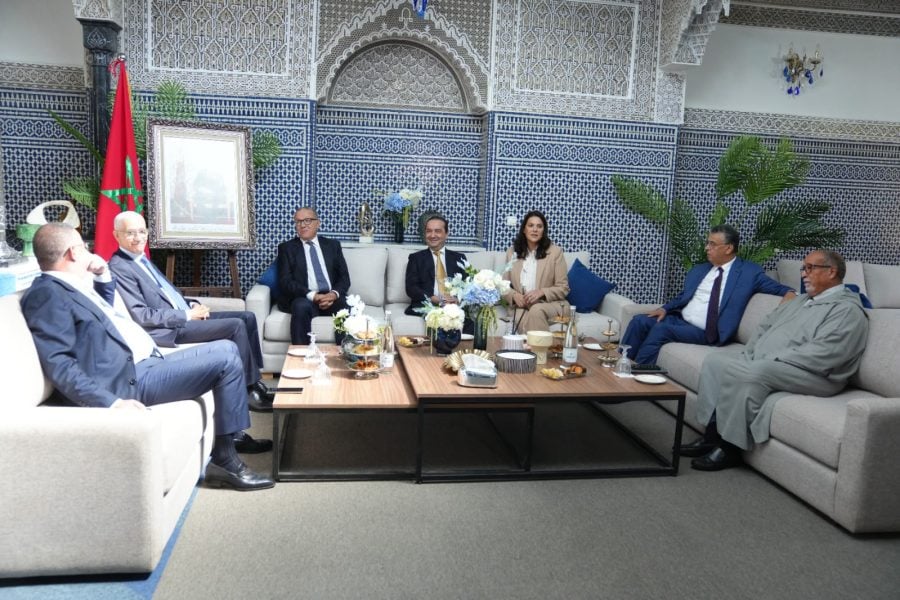
A high-level meeting between leaders of Morocco’s ruling coalition, led by Prime Minister Aziz Akhannouch, took place Wednesday amid mounting tensions within the alliance.
According to Hespress AR sources familiar with the discussions, the meeting was overshadowed by disagreements following recent remarks by Nizar Baraka, Secretary-General of the Istiqlal Party and Minister of Equipment and Water.
Baraka’s comments on the television program Nouqta ila Satr (Point to the Line), where he criticized economic conditions, rising prices, and government policies on importing livestock, reportedly irked Akhannouch.
Sources indicated that the prime minister appeared visibly displeased with Baraka’s statements. Unlike previous coalition meetings, attendance was limited to Akhannouch, Baraka, and Fatima-Zahra Mansouri, national coordinator of the Authenticity and Modernity Party (PAM).
The meeting, described as “heated” and held under strict secrecy, took place over an Iftar meal at the prime minister’s residence and lasted late into the night. Notably, coalition leaders agreed not to issue any official statement about the discussions.
Growing Political Friction
Akhannouch reportedly confronted Baraka about his public criticism, to which Baraka defended his stance as part of political competition and free expression. He insisted that his remarks did not imply disunity within the governing coalition.
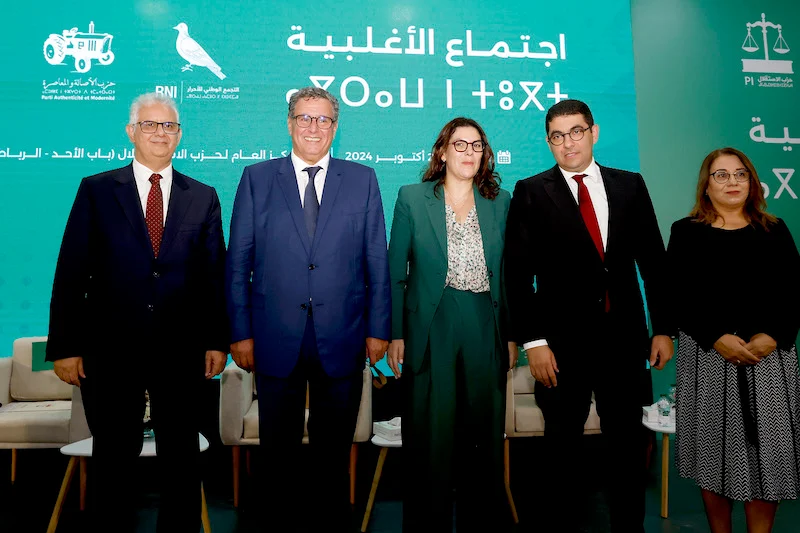
The meeting also addressed concerns over the behavior of senior coalition figures. Party leaders emphasized that the secretaries-general of the three ruling parties should set an example for their MPs and local officials, rather than fueling internal political disputes.
Despite tensions, the coalition leaders reaffirmed their commitment to maintaining government stability until the end of its mandate. However, discussions also touched on increasing political rivalries at the local level, as municipal and regional councils begin to feel the influence of the upcoming 2026 elections.
Budgetary Clashes Within the Coalition
Beyond political disagreements, sources revealed that budget allocations for ministerial departments were a major point of contention. Disputes arose over the handling of large budgets by certain ministries, including agriculture, culture, and infrastructure, with accusations of using these funds for political advantage.
As elections draw closer, coalition parties are reportedly vying for control over government spending to fulfill campaign promises. One key concern was the lack of funding for the government’s new employment strategy, overseen by Younes Sekkouri, a PAM minister. This issue was recently hinted at in a political statement issued by PAM’s leadership, further exposing internal frictions.
With coalition strains intensifying, the coming months will test the alliance’s ability to navigate both governance and electoral ambitions while maintaining political cohesion.

add your comment
Terms of publication : Not to offend the writer, people, sacred things, or attack religions or the divine self, and refrain from racist incitement and insults.