
Political parties in Morocco have weak engagement with voters during election campaigns. according to a recent survey conducted by the African research network Afrobarometer.
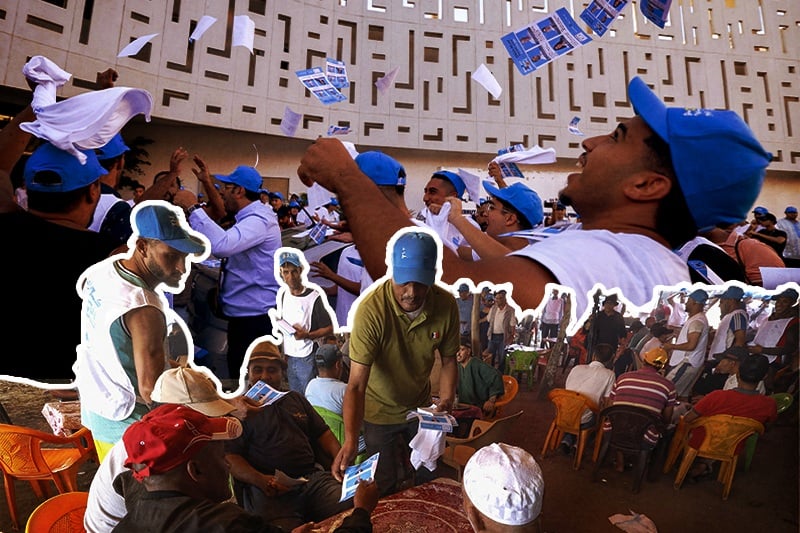
The study found that only 18% of Moroccans reported being contacted by a political party before the last elections, whether through direct visits, phone calls, or text messages.
This low engagement rate shows a broader trend across Africa, where political parties struggle to mobilize, persuade, or attract voters.
On average, across 33 African countries surveyed, 24% of respondents said they had been contacted by at least one party, while 35% had attended a campaign event.
In Morocco, however, all forms of voter outreach were below these regional averages.
The study was based on data collected between July 2019 and July 2021, meaning it reflects voter outreach efforts during Morocco’s 2016 legislative elections.
When looking at the reasons behind voter contact, the study found that just 6% of Moroccan respondents were contacted by their own party to encourage them to vote.
Meanwhile, 12% were approached by political parties trying to persuade them to vote for a specific candidate.
Only 2% reported that a party reached out to convince them to switch their political support from another party.
In comparison to other African countries, Morocco’s voter engagement levels are among the lowest.
In some countries, such as Mali, Guinea, and Nigeria, mobilization efforts were significantly higher, while persuasion tactics were dominant in places like Cape Verde and Mauritius.
Efforts to sway voters from rival parties were more common in Botswana, Zambia, Senegal, and Niger.
The report stressed the importance of direct voter contact, noting that people who are reached out to during campaigns are significantly more likely to vote.
The survey also pointed out that parties often target voters who are already politically engaged, which could widen the gap between active voters and those less involved in politics.






add your comment
Terms of publication : Not to offend the writer, people, sacred things, or attack religions or the divine self, and refrain from racist incitement and insults.