
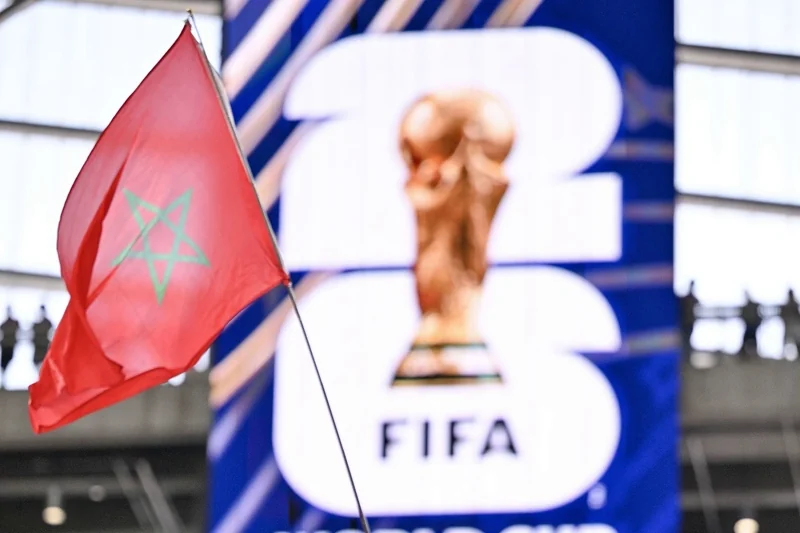
A report from the Moroccan Institute for Policy Analysis (MIPA) warns against overestimating the economic gains from Morocco’s hosting of the 2030 World Cup alongside Spain and Portugal.
While the event offers significant opportunities for investment, infrastructure development, and tourism, the report cautions that the financial challenges may be underestimated, a mistake commonly made in previous experiences of hosting major sporting events.
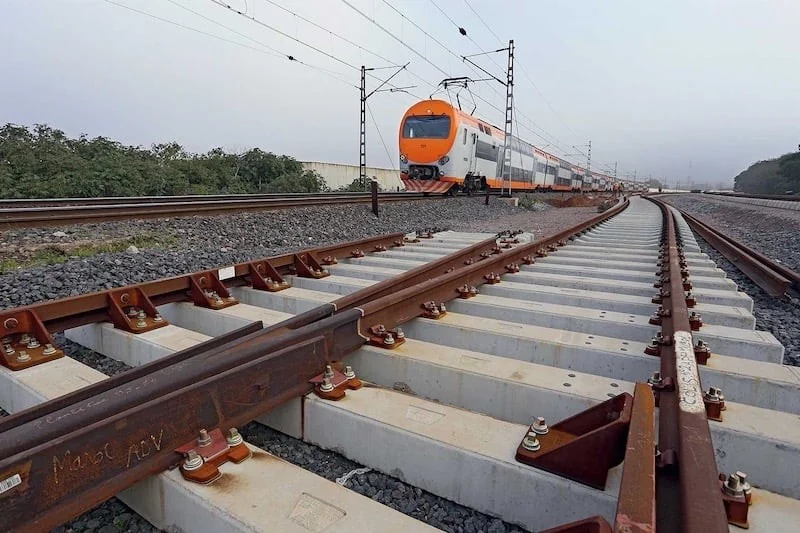
The official narrative promotes the expected benefits, with estimates suggesting that Morocco will allocate between 50 and 60 billion dirhams to host the World Cup, funded by the national budget, state-owned enterprises, and international loans.
Read also: 2030 World Cup in Morocco: How will it unfold, where will it take us, and what’s actually needed
MIPA stresses the importance of acknowledging the full scope of the costs involved, particularly given the challenges of managing such a large-scale event.
Tourism is one sector expected to see gains, with a projected 12% increase in visitors. However, MIPA highlights that this effect may be temporary if Morocco does not leverage the opportunity to build lasting infrastructure and appeal.
Similarly, while the event is expected to create thousands of jobs, many of these will be short-term, raising concerns about potential unemployment once the tournament concludes.
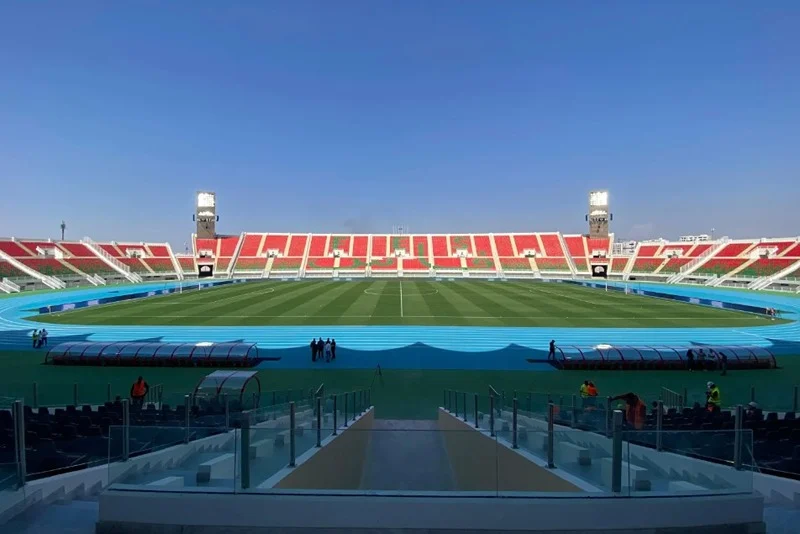
The modernization of sports infrastructure, such as stadiums and training centers, is another expected outcome. Still, MIPA points out that the fate of these facilities post-event remains uncertain, with the risk of “abandoned stadiums” draining resources.




add your comment
Terms of publication : Not to offend the writer, people, sacred things, or attack religions or the divine self, and refrain from racist incitement and insults.