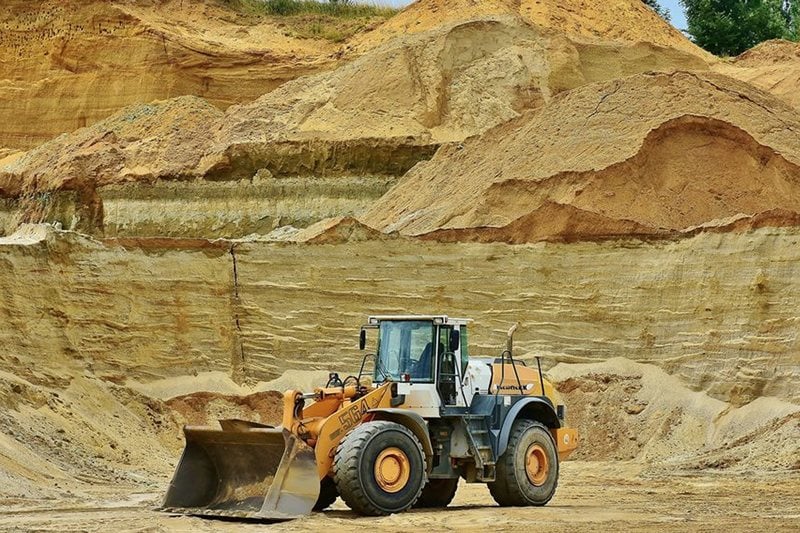
Truckloads of sand brought to Casablanca from the Kenitra and Salé areas, and supposedly meant for avocado farming, have triggered an alert among officials from the territorial administration and water and equipment services, sources told Hespress AR.
They learned that this sand is being processed and mixed in huge warehouses located in Douar Khalka, Lahraouyine commune, and Douar Oulad Hadda, Sidi Hajjaj commune, both within the Mediouna region.
The sand is then distributed to construction sites around Casablanca, especially for real estate projects, raising serious concerns about the structural safety of the buildings.
The sources also revealed that these massive warehouses, owned by a prominent family in Mediouna, are outfitted with enormous sifting machines, along with equipment for remixing and drying the sand.
The warehouse operators, capitalizing on the inflated price of sand and the booming demand, have been supplying construction projects in Casablanca and its surrounding areas. Their goal is to rapidly offload vast quantities of sand, the quality and technical specifications of which are in doubt.
A local authority official, holding the rank of Pacha, had previously conducted tests on a sample of the sand, which initially passed inspection, parallel to an investigation led by authorities regarding fake sand.
These sources also mentioned that businesses supplying building materials have officially asked the Interior Ministry to send a central investigative team to check the quality of sand used at Casablanca construction sites, track where it’s coming from, and map out how it’s being sold.
The idea is for the committee to collect samples from various locations and utilize existing reports from the Internal Affairs departments within local prefectures, along with information provided by local officials. This would help identify both formal and informal sales points distributing potentially substandard sand.
The sources emphasized that those pushing this avocado sand are using a fleet of trucks equipped with vouchers and forged purchase invoices to avoid scrutiny from the Royal Gendarmerie and infrastructure inspectors.
The Ministry of Interior launched recently a large-scale crackdown on unregulated construction material outlets, which have proliferated on the outskirts of major cities.
This initiative is part of a broader strategy to curb the supply of materials fueling unauthorized construction. The inspections have primarily focused on verifying invoices and shipping documents for sand, bricks, and cement, as well as collecting samples for quality testing to ensure compliance with technical standards.
Hespress sources reported that tracking this network of suppliers dealing in questionable sand has proven difficult due to the number of people involved in the construction industry—including workers, contractors, subcontractors, and suppliers—along with other operational elements.
This network exploited the lack of internal control mechanisms in the financing and payment systems of construction sites to pass significant quantities of the said sand to new buildings, in the absence of transparency and communication between the various parties in the management of the sites, especially real estate ones.







add your comment
Terms of publication : Not to offend the writer, people, sacred things, or attack religions or the divine self, and refrain from racist incitement and insults.