
Saudi Arabia’s Minister of Hajj and Umrah, Tawfiq bin Fawzan Al-Rabiah, stated that determining or increasing each country’s pilgrimage quota is based on several factors, including population density. He emphasized that the Kingdom remains in constant communication with Morocco’s Ministry of Endowments and Islamic Affairs regarding such matters.
Speaking at a meeting with Moroccan media representatives in Rabat on Wednesday, Al-Rabiah explained that while Saudi Arabia allocates a specific quota for each country, efforts are always made to increase these numbers.
However, he noted that space limitations in the holy sites pose a significant challenge. He assured that Moroccan pilgrims would benefit from an extensive range of services during the upcoming Hajj season.
Addressing concerns about pricing, Al-Rabiah highlighted Saudi Arabia’s commitment to fostering competition among service providers, which has led to positive results despite global inflation. He acknowledged the high demand for accommodations but reassured that the hotel sector remains balanced and stable.
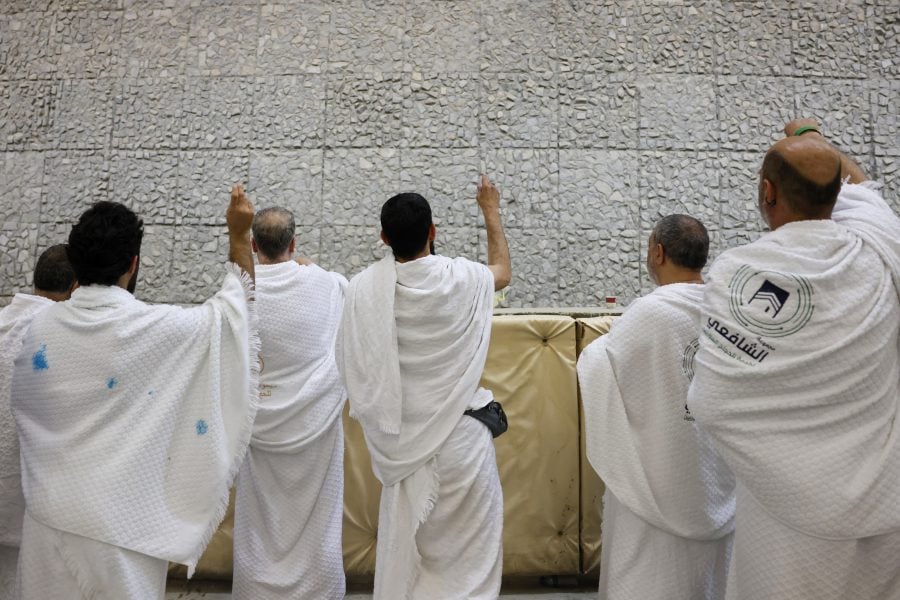
Regarding efforts to facilitate pilgrimage services for all, including Moroccan pilgrims, Al-Rabiah acknowledged the historical association of Hajj with physical hardship.
However, he stressed that ensuring the safety of pilgrims remains a top priority. While Saudi Arabia welcomes as many pilgrims as possible, he reiterated that performing Hajj is contingent upon one’s ability to do so, in accordance with Islamic teachings.

The minister also noted an increase in satisfaction levels among Moroccan pilgrims and Umrah performers, based on feedback from Morocco’s Ministry of Endowments and Islamic Affairs. He reaffirmed Saudi Arabia’s continuous efforts to enhance services for pilgrims.
On individual pilgrimages, particularly concerning Moroccan pilgrims’ health and well-being, Al-Rabiah pointed out that Morocco typically sends medical delegations to accompany its pilgrims. He also highlighted the Saudi government’s provision of various healthcare services, including dialysis treatments, to ensure that pilgrims can perform their rituals in good health.
“We are committed to ensuring that all pilgrims arrive in good health and are physically capable of performing their rites,” he said. “We warmly welcome them, but their health and ability to complete the pilgrimage safely remain a priority.”
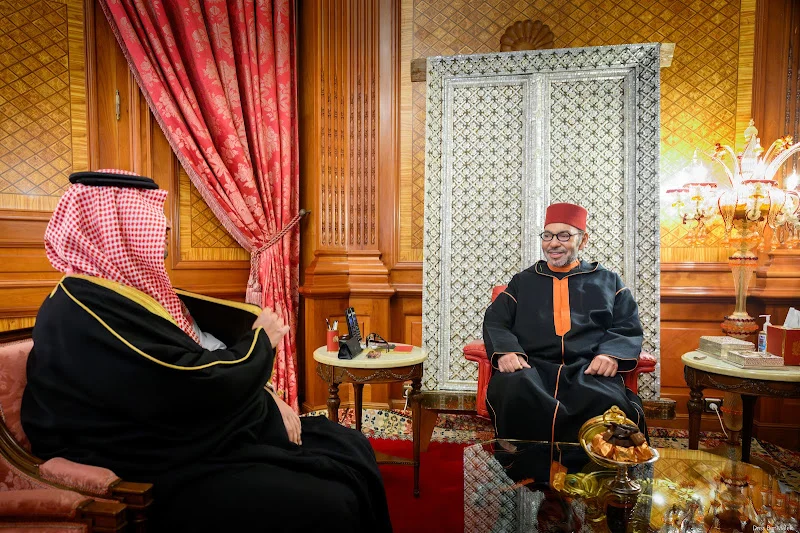
Al-Rabiah’s visit to Morocco included a meeting on Tuesday with Moroccan Minister of Endowments and Islamic Affairs Ahmed Toufiq.
Their discussions focused on strengthening bilateral cooperation in serving pilgrims and Umrah performers. They explored ways to enhance religious awareness, logistical support, and overall pilgrimage experiences. The two officials also emphasized the importance of continued exchanges between their ministries to share best practices and improve services for pilgrims.




add your comment
Terms of publication : Not to offend the writer, people, sacred things, or attack religions or the divine self, and refrain from racist incitement and insults.