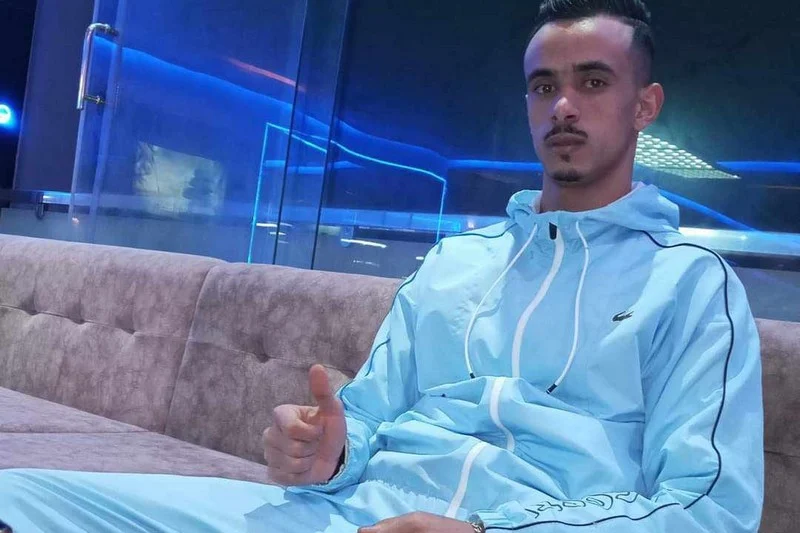
The case of Zakaria Ridouane, a young Moroccan who lost his life attempting to reach Ceuta, has reignited discussions about the humanitarian and political challenges surrounding the repatriation of Moroccan bodies found in Algeria.
Since early April, Zakaria’s body has been lying in an Algerian morgue, while his family’s pleas for its return have gone unanswered by Algerian authorities.
The story began on March 9, 2024, when Zakaria, born in the city of M’diq, embarked on a perilous journey across the sea to Ceuta in search of a better future. However, fate intervened, leaving his family devastated.
Zakaria’s brother recounted the tragedy to Hespress: “Instead of reaching Spanish shores, he ended up in the depths of the sea. His body was found washed up on Algerian shores, specifically in Aïn Témouchent, on April 1, 2024, after a harrowing 20-day wait.”
In the aftermath of the discovery, Zakaria’s grieving family began the arduous process of trying to bring his body home—a task that, in a “normal country,” should have been a straightforward procedure. Instead, it became a logistical and bureaucratic nightmare.
Despite repeated attempts to reach Morocco’s Ministry of Foreign Affairs, African Cooperation, and Moroccan Expatriates, the family remains trapped in limbo, relying on prayers as they await action from the authorities.
At just 25 years old, Zakaria left this world chasing an elusive “European dream,” leaving behind shattered hopes and a grieving family.
Meanwhile, Algerian authorities, seemingly preoccupied with their internal crises, have treated the case with exasperating sluggishness. The process of repatriating a drowning victim’s body from Algerian waters appears more complex than launching a space mission, leaving Zakaria’s family in agonizing uncertainty.
What should be a simple administrative procedure has become a torturous ordeal, mired in bureaucracy and delays. As the family struggles to navigate the labyrinth of paperwork, approvals, and indefinite wait times, their grief is compounded by the seeming indifference of the system.
Adding to the outrage is the perception that Algeria’s slow handling of such cases reflects a broader political motive. Critics argue that the delays in repatriating Moroccan bodies are part of a strategy to weaponize humanitarian tragedies, fueling hostility toward Morocco.
As the family continues to wait for Zakaria’s return, the broader implications of such cases—where bureaucratic inefficiency intersects with geopolitical tensions—remain a somber reminder of the human cost of strained international relations.




add your comment
Terms of publication : Not to offend the writer, people, sacred things, or attack religions or the divine self, and refrain from racist incitement and insults.