“If Washington and its European partners fail to remediate ongoing disputes over trade rights and Western Sahara, they may leave room for Russia and China to assert more influence in the Kingdom,” warned a recent article published Wednesday by the Washington Institute for Near East Policy.
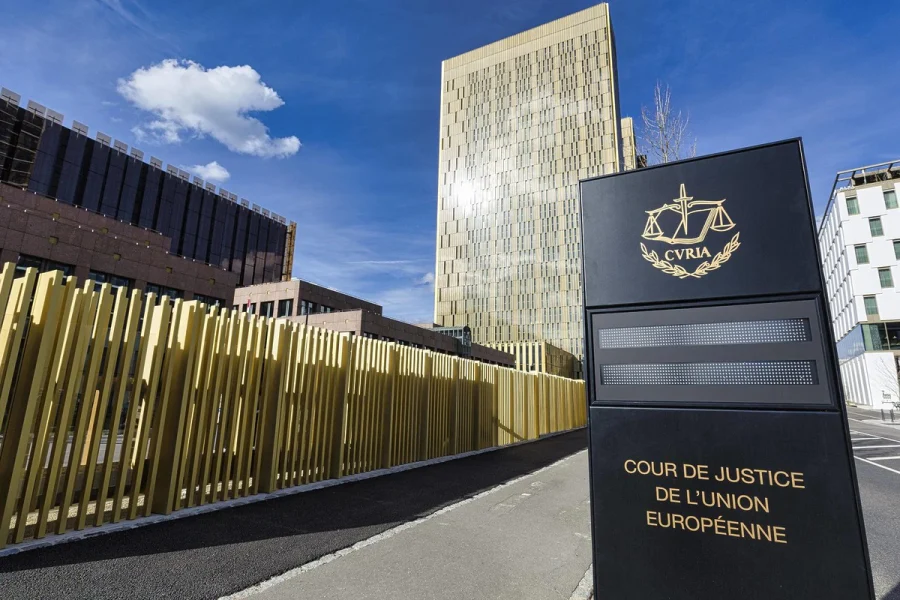
Titled, “EU-Morocco Relations: Stuck Between Law and Politics?”, the report stated that the recent CJEU ruling, which annulled EU-Morocco trade agreements involving the Sahara, might appear to open doors for U.S. investment in Morocco but “could push Rabat further into the arms of China and Russia unless further action is taken, giving officials on both sides of the Atlantic a keen interest in breaking the legal deadlock.”
It explained that the “EU must ensure its trade agreements comply with CJEU conditions, while Washington should advocate more strongly for a UN-led resolution on Western Sahara.”
The report argued that “although Morocco’s engagement with Moscow and Beijing has traditionally been limited, both countries remain closer to Algeria and do not support the autonomy plan, yet they have been quietly increasing their interests in Morocco, including in the Sahara, eyeing local resources and investing in the coastal fishing sector.”
It recalled that “Russia has renewed a fishing agreement, while China is focusing on green hydrogen projects in the region.”
If Trump returns to power, continued the same source, U.S. pressure could complicate Morocco’s relations with China, but Rabat is likely to seek partners—like China—to advance key sectors, such as green hydrogen.
The report also argued that the CJEU ruling complicates EU-Morocco ties by imposing judicial constraints that clash with deepening political and economic relations with Morocco, especially from Spain and France, which back its 2007 autonomy proposal for Western Sahara.
Despite the ruling, EU leaders, including European Commission president Ursula von der Leyen and former high representative Josep Borrell, reaffirmed their commitment to strong ties with Morocco, reflecting Rabat’s improved diplomatic position on the Sahara issue compared to 2016.
The same source believes that “the Trump administration’s recognition of Moroccan sovereignty over the Sahara provinces raised Rabat’s political expectations on the issue and spurred other countries to reevaluate their own positions.”
It argued that while Biden maintained the stance, Trump’s potential return could lead to concrete actions like opening a consulate in Dakhla and boosting U.S. investments.
However, the EU remains Morocco’s dominant trade partner, and any significant investment in the Sahara will depend on resolving its political status and ensuring security.






add your comment
Terms of publication : Not to offend the writer, people, sacred things, or attack religions or the divine self, and refrain from racist incitement and insults.