
Algeria assumed the presidency of the UN Security Council this week, but its tenure has already sparked controversy due to the absence of the long-simmering dispute over Moroccan Sahara in the agenda.
Observers are puzzled by this omission, given Algeria’s vocal support for the Polisario Front and its longstanding demand for a referendum on self-determination for the disputed territory.
Some speculate that Algeria may be seeking to avoid potential confrontations with Morocco, which has gained significant international backing for its autonomy plan for the region.
While Algerian officials have downplayed the significance of the omission, insisting that the Council’s recent renewal of the MINURSO mission mandate renders a separate discussion unnecessary, critics say that this move undermines Algeria’s credibility as a key player in the Moroccan Sahara conflict.
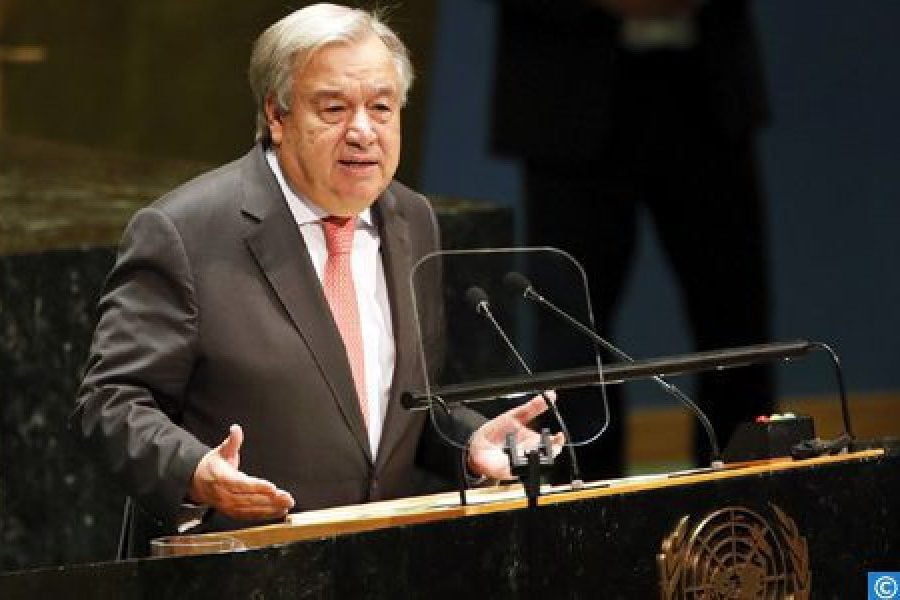
Algeria’s permanent representative to the UN, Amar Bendjama, said that the country does not intend to address the issue unless a significant development warrants it.
“We do not intend to put this issue back on the agenda unless something new happens that changes the situation,” Bendjama said.
Bendjama added that the Sahara conflict remains a priority for Algeria and that the dispute will be discussed by the Security Council in April.
However, the April session will not involve the adoption of a new resolution. This has further fueled concerns among the Polisario Front’s supporters, who fear that Algeria may be distancing itself from the separatist cause.
It’s worth noting that Algeria had previously abstained from voting on the resolution extending the mandate of the UN Mission for the Referendum in Western Sahara (MINURSO).
Algeria remains the sole member of the Security Council to recognize the self-proclaimed Sahrawi Arab Democratic Republic (SADR).
Political analyst Lahcen Akertit told Hespress Ar that the failure to include the Western Sahara issue on the Security Council’s agenda during Algeria’s presidency is primarily due to the diplomatic isolation that Algeria has found itself in after the Security Council voted on resolution 2756.
Akertit said that Algeria realizes that reintroducing the issue to the Security Council could lead to a repeat of the voting scenario that strengthened Morocco’s position.
“Algeria finds itself facing new international data, including the opening of consulates in the southern provinces of Morocco; these are steps that confirm the growing international support for Morocco’s position and further complicate Algeria’s position and put it in a tight corner within the international organization,” the political analyst said.





add your comment
Terms of publication : Not to offend the writer, people, sacred things, or attack religions or the divine self, and refrain from racist incitement and insults.