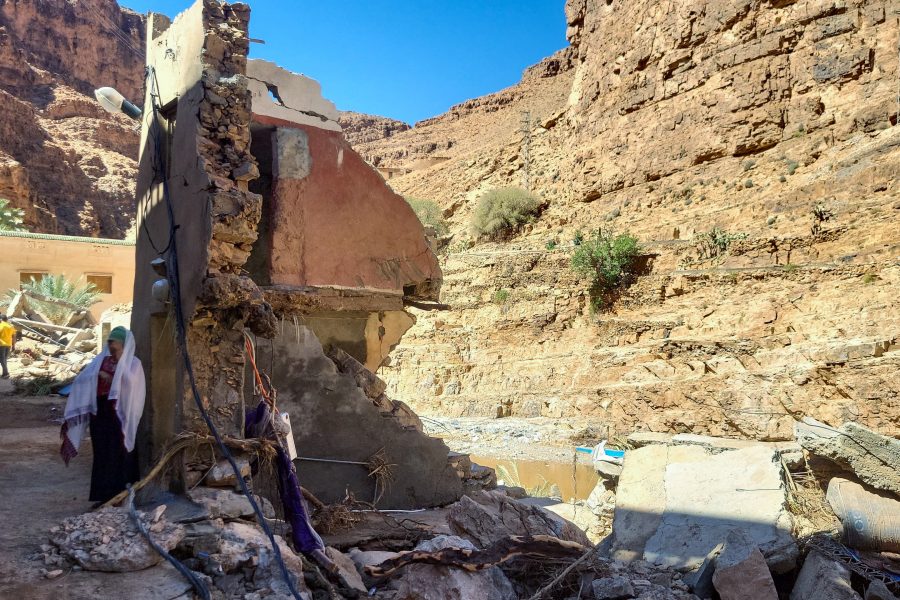
Morocco has advanced to 8th place in the 2025 Climate Change Performance Index (CCPI), reflecting its ongoing efforts to reduce greenhouse gas emissions and transition toward renewable energy.
The ranking evaluates 63 countries and the European Union, covering over 90% of global emissions. Morocco scored “high” in greenhouse gas emissions and energy use, “average” in climate policies, and “low” in renewable energy adoption, according to the independent report by Germanwatch, NewClimate Institute, and Climate Action Network.
Morocco aims to increase renewable energy to 52% of its electricity mix by 2030 through large-scale solar and wind projects. These efforts highlight the country’s commitment to sustainable energy despite challenges such as partial reliance on fossil fuels and plans to exploit local natural gas reserves.
High costs of renewable energy technology and dependence on foreign financing are obstacles to rapid expansion, experts said. The report also noted a lack of local financial incentives to encourage private sector and individual investments in clean energy production.
Despite its challenges, Morocco has outperformed many nations, including wealthier countries with advanced infrastructure. Countries like Sweden, Norway, and Denmark, often seen as climate leaders, ranked lower than Morocco in specific categories.
While these nations excel in renewable energy use and international climate policy enforcement, Morocco’s significant reductions in greenhouse gas emissions strengthened its overall ranking.
“Morocco serves as a regional model for integrating sustainable development into national policies,” the report stated.
The report underscored the need for Morocco to balance its climate ambitions with economic development, a challenge faced by countries such as India and the United Kingdom. India dropped to 10th place but retained strong performance in energy use. The U.K. rose to 6th place but faces criticism for continuing fossil fuel investments.
Experts recommend Morocco address gaps by providing financial incentives for renewable energy projects, strengthening technical and institutional capacities, and implementing carbon pricing to reflect the environmental costs of fossil fuels.
The report also emphasized the importance of supporting Morocco’s agricultural sector in adapting to water scarcity. Recommendations include modern irrigation techniques and sustainable farming practices.
“If Morocco adopts these measures, it will solidify its position as a global leader in combating climate change,” the report stated, adding that the steps could pave the way for sustainable economic development aligned with the Paris Agreement.
The CCPI evaluates countries across four areas: greenhouse gas emissions, energy use, renewable energy, and climate policies. It incorporates insights from 450 experts worldwide, making it a reliable tool for assessing national and international climate efforts.
The index is published annually, assessing countries’ progress in mitigating climate change and meeting Paris Agreement goals.






add your comment
Terms of publication : Not to offend the writer, people, sacred things, or attack religions or the divine self, and refrain from racist incitement and insults.