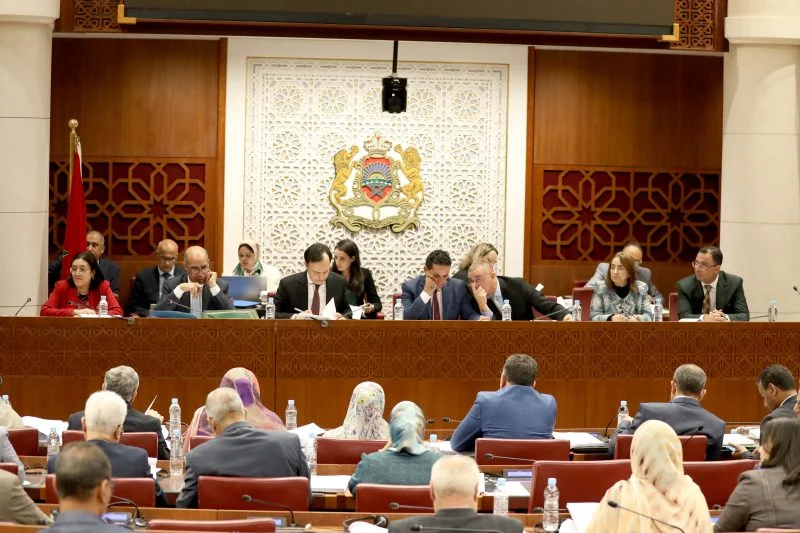
The draft law was passed with 22 votes in favor and 7 votes against, with no abstentions.
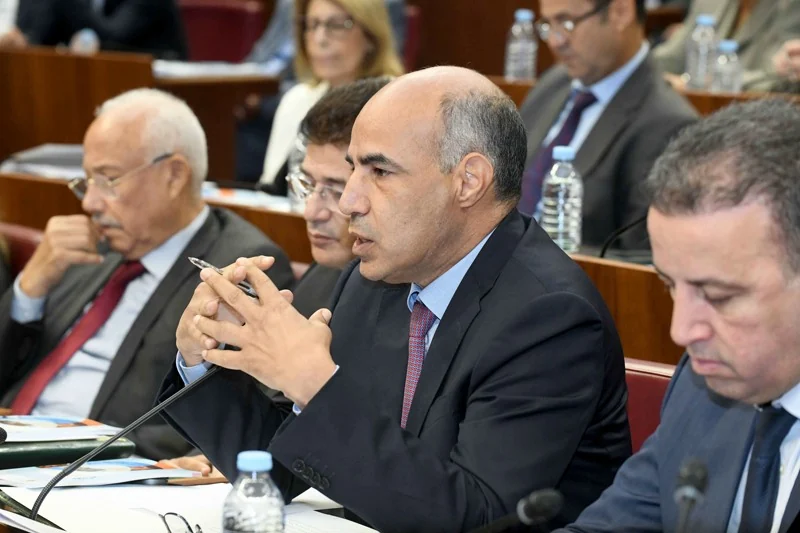
The meeting, which was attended by Younes Skouri, Minister of Economic Inclusion, Small Businesses, Employment, and Skills, and Hicham Sabri, Secretary of State for Labor, saw the committee review and vote on over 330 proposed amendments from the government, parliamentary groups, and independent members.
Among the most notable changes was the inclusion of a preamble outlining the fundamental principles and key references for the draft law, which was added to Article 1. The committee also approved government proposals to create new sections: one on definitions, another on the scope of application, and a third on general principles. The committee reached consensus on Article 4, which specifies the parties eligible to exercise the right to strike.
The committee unanimously approved a revision to Article 5, which previously prohibited strikes for political purposes. The new text now reads: “Any call for a strike that contradicts this law is considered illegal.”
Among other changes, the committee agreed to remove provisions in Article 12 that banned rotating strikes. The revised article now focuses on clarifying the reasons and timeframes that must be followed when calling a strike in both the public and private sectors.
Additionally, the committee removed Article 16 and replaced it with provisions aimed at ensuring that the party calling for a strike is responsible for organizing the strikers before and during the strike. This includes managing the strike’s execution, ensuring cooperation with employers or public institutions to protect essential activities, and minimizing damage to property, equipment, and machinery.
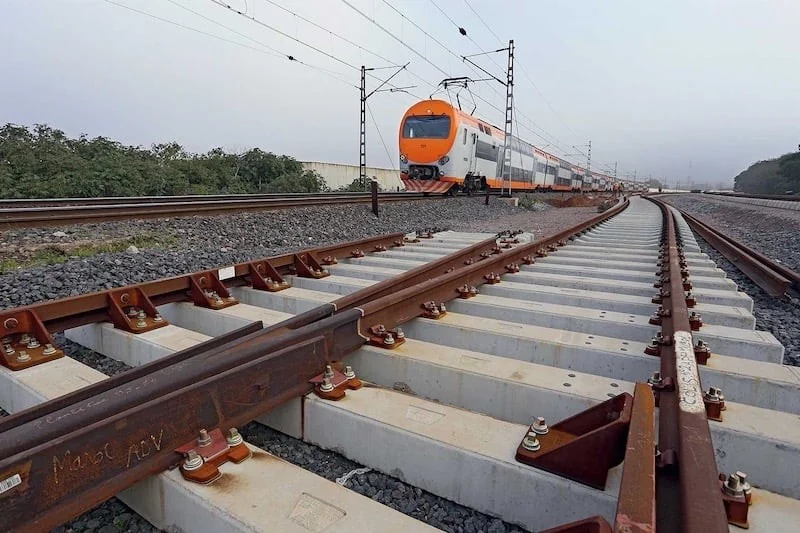
In relation to essential services, the government proposed a major revision to Article 21, which was removed entirely and replaced with new provisions. The new article requires that a minimum level of service be maintained in essential sectors, including healthcare, courts, public financial institutions, meteorological services, transportation (rail, road, air, and sea), and public media.
The committee also voted to remove several articles from the original draft law (Articles 25, 26, 27, 28, 29, 30, 32, and 39). References to “more severe criminal penalties” in certain articles were also eliminated, along with provisions for prison sentences.
With the approval of this draft law, Morocco takes a significant step toward regulating the right to strike. The changes introduce measures that balance workers’ rights with the need to ensure the continued operation of critical public services. The law will likely set new standards for organizing and managing strikes in Morocco, ensuring that essential services are not disrupted during labor actions.
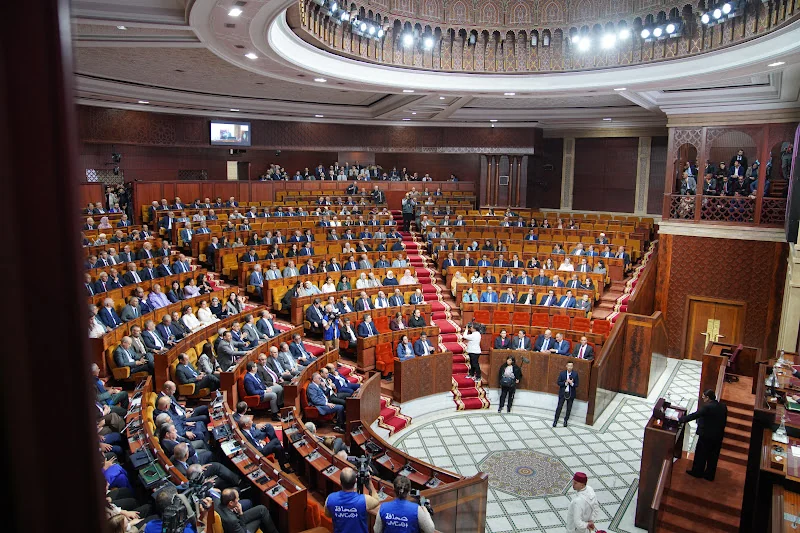
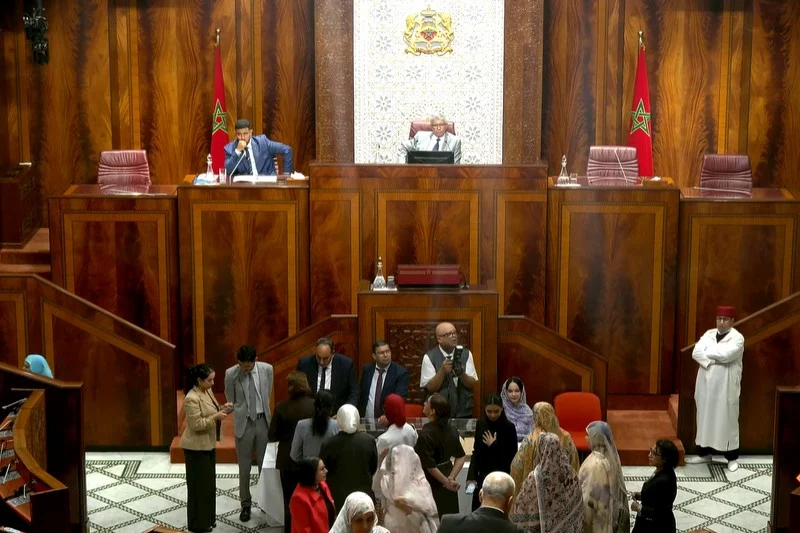
The law is expected to move to the full House of Representatives for a final vote in the coming days, and if approved, it will be sent to the Senate. If passed, the law will establish a clear framework for the legal exercise of the right to strike while safeguarding public order and essential services.



add your comment
Terms of publication : Not to offend the writer, people, sacred things, or attack religions or the divine self, and refrain from racist incitement and insults.