
Islamic finance could play a crucial role in the global shift to renewable energy, a new report from Greenpeace MENA and the Global Ethical Finance Initiative (GEFI) suggests. By allocating just 5% of its $4.5 trillion assets to renewable energy projects, the sector could unlock $400 billion in climate financing by 2030.
The report, titled “Islamic Finance and Renewable Energy”, highlights the synergy between the core principles of Islamic finance—environmental management, ethical investment, and social responsibility—and the urgent need to invest in sustainable energy.
It underscores how Islamic finance could help close the $5.7 trillion annual funding gap for renewable energy, providing a potential solution to the climate, pollution, and biodiversity crises.
“Islamic finance is more than just an economic tool; it is a powerful catalyst for renewable energy investment,” said Nouhad Awwad, global coordinator for Greenpeace MENA and head of the Ummah For Earth campaign.
“By mobilizing assets such as sukuks and zakat funds, we can triple renewable energy capacity by 2030 and pave the way for a fair transition.”
The Islamic finance sector is rapidly expanding, with assets expected to reach $6.7 trillion by 2027. In the first half of 2024, the market for ESG (environmental, social, and governance) sukuk surged to $9.9 billion.
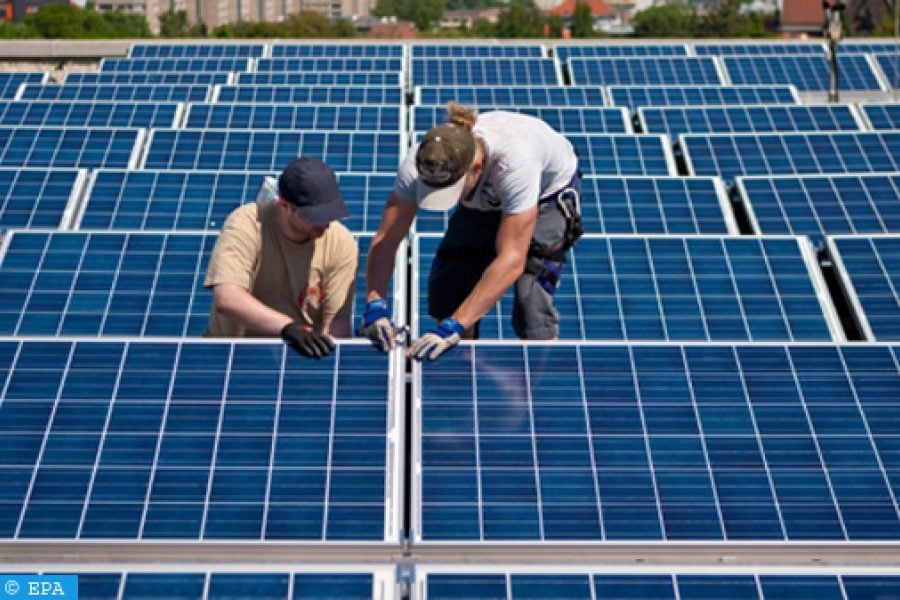
The Middle East and North Africa (MENA) region is leading the way, with the UAE issuing a record $3.9 billion in ESG sukuk in 2023, while Saudi Arabia saw a more than 300% increase in renewable energy capacity. Morocco and Egypt are also investing heavily in renewable projects, including the Noor Ouarzazate solar complex and the Benban solar park.
The report also notes that green sukuk-funded projects have had substantial socio-economic benefits, such as job creation in renewable energy, improved energy security, and technological innovation. These efforts contribute to reducing emissions and strengthening the climate resilience of vulnerable communities.
The authors of the report argue that Islamic finance offers a unique opportunity to accelerate the global transition to sustainable energy, with the potential for significant climate impact by 2030.







add your comment
Terms of publication : Not to offend the writer, people, sacred things, or attack religions or the divine self, and refrain from racist incitement and insults.