
The fight against climate change depends on the ability to provide necessary financial tools and risk management strategies, said Moroccan Energy Minister Leila Benali in a COP29 session held on Wednesday.
“Our collective success in combating climate change depends on the ability to provide financial instruments and risk management strategies that inspire confidence in renewable energy projects,” said Ms. Benali during a session on investment in clean energy systems, held on the sidelines of COP29 in Baku.
At this session, organized by the International Renewable Energy Agency, the Breakthrough Agenda, and the Energy Transition Council, the Moroccan minister described climate change as a “transnational issue” and lamented that subsidies and incentives remain “very limited” within national borders.
To combat global warming by boosting public-private investments while economically reducing energy and transportation costs for everyone, “we must be able to offer quality services to our citizens,” she emphasized.
Furthermore, to contain the inflationary impact of the transition, she stressed the importance of facilitating partnerships between emerging markets and developed economies and creating cross-border incentives to demonstrate to taxpayers that funds are being deployed in sustainable projects contributing to the reduction of greenhouse gas (GHG) emissions.
Benali underscored, in this context, the need for adapting and scaling up business models and establishing a favorable regulatory environment. “We must reform multilateral financial institutions so they adopt a bolder and longer-term vision of the risk perception associated with emerging and developed economies (EMDE).”
Multilateral banks and international financial organizations can act as catalysts by providing guarantees and other risk-sharing mechanisms that lower the perceived risks of investing in emerging markets, she argued, urging the finance and insurance communities to equip policymakers with the means to effectively assume and manage climate risk in these ventures.
As for Morocco, she outlined the country’s efforts to drive climate financing, including scaling up projects and lowering costs for new technologies and fuels (such as ammonia, hydrogen, battery storage, etc.), as well as creating projects that are “better structured, bankable, and economically viable, with good returns on investment.”
On Wednesday, Benali held bilateral meetings with the UAE Minister of Climate Change and Environment, Amna bint Abdullah Al Dahhak; the Qatari Minister of Environment and Climate Change, Abdullah bin Abdulaziz bin Turki Al Subaie; and the Director General for Energy at the European Commission, Ditte Juul Jørgensen.
These meetings focused on strengthening bilateral cooperation and partnerships in energy transition and sustainable development. The day was also marked by the active participation of the Moroccan delegation in negotiations and parallel meetings organized alongside the conference.
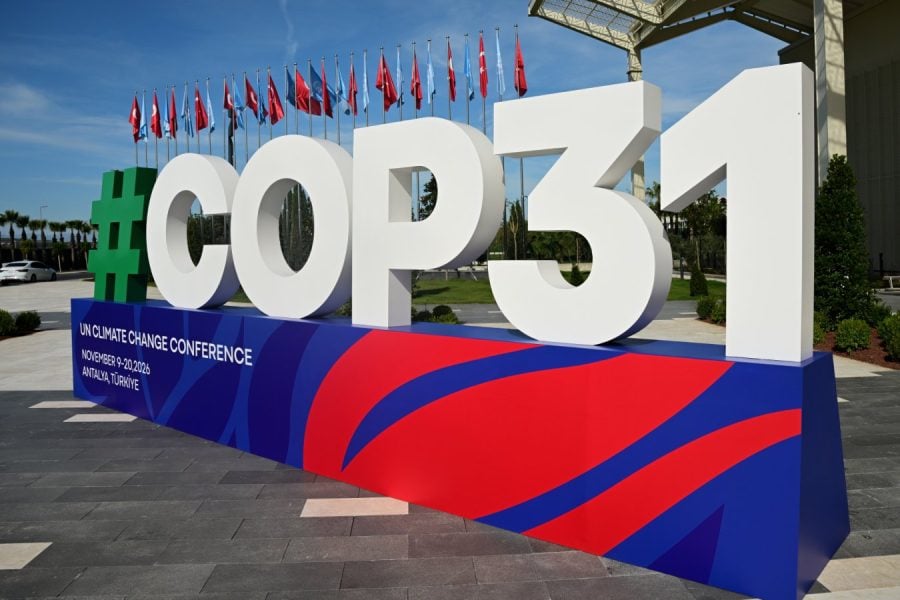
COP29 (November 11–22) primarily focuses on climate financing, given the need to enable all countries to reduce greenhouse gas emissions, protect lives, and safeguard livelihoods against the worsening effects of climate change, particularly for vulnerable communities.





add your comment
Terms of publication : Not to offend the writer, people, sacred things, or attack religions or the divine self, and refrain from racist incitement and insults.