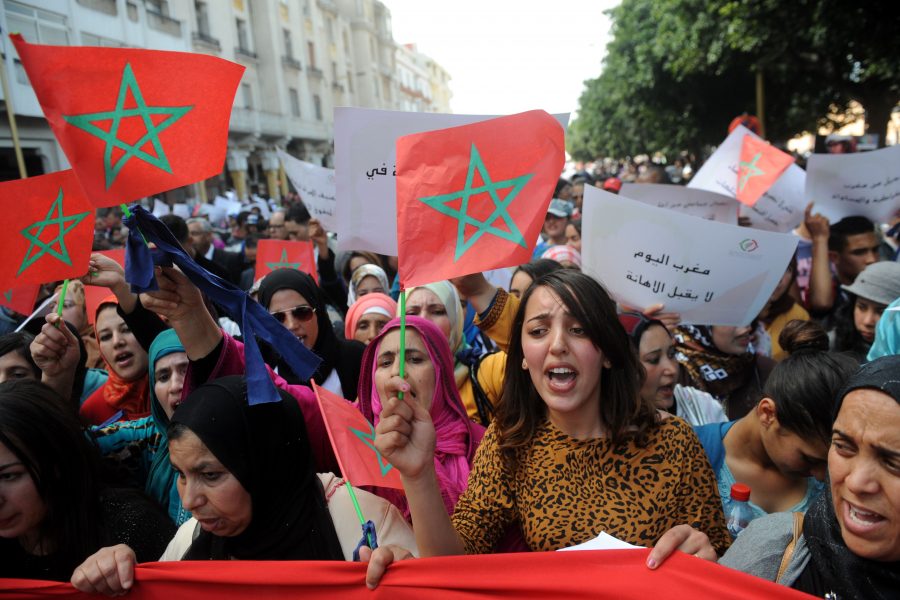
A 2016 survey released by the High Commission for Planning (HCP), which found that 86.8% of Moroccans oppose equal inheritance rights for men and women, has drawn sharp criticism from women’s rights organizations. This backlash comes as discussions intensify around potential amendments to the Family Code.
In a joint statement, the Kif Mama Kif Baba association, the Democratic Association of Moroccan Women, and the Media and Cultures association condemned the use of the outdated survey, calling it “inappropriate and misleading.”
They argued that while the survey provides insights from 2016, its relevance has diminished significantly in light of the social and political changes that have occurred in the past eight years.
The statement highlighted that “releasing the study now no longer accurately reflects Moroccans’ current opinions and aspirations.”
The groups stressed the need for updated data to assess public attitudes, particularly given recent events that have reshaped societal views, including legislative elections and the global COVID-19 pandemic, which spotlighted economic and social disparities.
Additionally, the associations noted that ongoing reforms to the Family Code and crises such as the Al Haouz earthquake have shifted priorities towards solidarity, social justice, and equality.
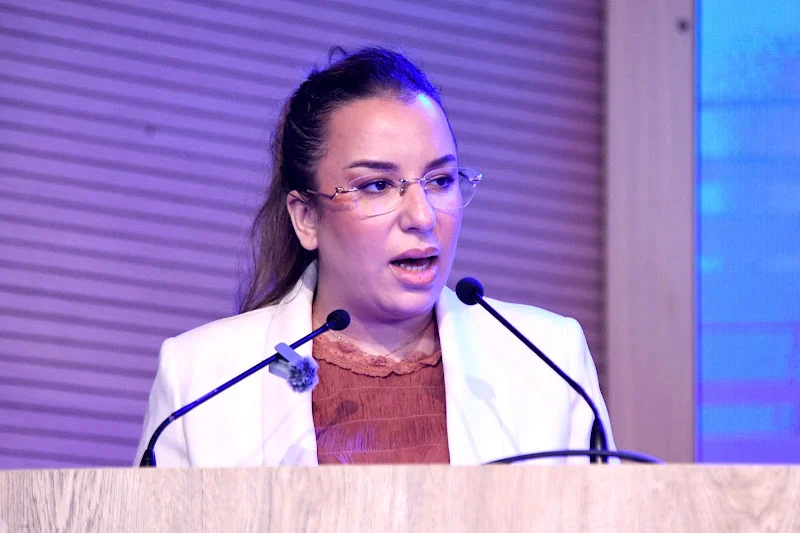
Ghizlane Mamouni, president of the Kif Mama Kif Baba association, expressed concern that publishing these figures could impact the ongoing discussion about the Family Code.
“We are puzzled by the release of these 2016 figures at this time, which seems to suggest an attempt to sway the current discussion,” she stated in an interview with Hespress Ar.
Mamouni emphasized that these figures come from a period when there was no dialogue about amending the code. “Today, the king has issued directives for reform, and releasing these figures feels like an attempt to sow discord within society,” she added.
She clarified that the organizations’ demands for equality are rooted in the Moroccan constitution and not calls for upheaval. Regarding inheritance laws, she pointed out that the existing code does not align with Islamic principles, noting that a man is responsible for a woman. “We’re not looking to undermine the beliefs of Moroccans, but to seek a legal framework that supports equity,” Mamouni concluded.






add your comment
Terms of publication : Not to offend the writer, people, sacred things, or attack religions or the divine self, and refrain from racist incitement and insults.