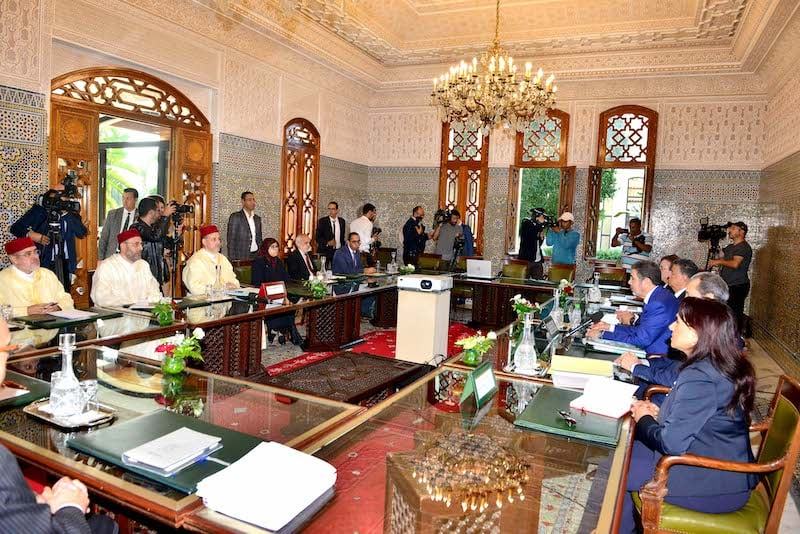
Morocco’s proposed amendments to its Family Law have ignited intense debate, highlighting the tension between traditional religious interpretations and calls for greater gender equality, according to a report by the Moroccan Institute for Policy Analysis.
Currently under review by the country’s highest religious authority, the reforms have prompted discussions about Islam’s role in modern Moroccan society and the balance between individual rights and communal values. The heart of the controversy centers on reconciling Morocco’s Islamic heritage with the demands of a rapidly modernizing society.
The proposed changes, which have been in development for several years, aim to address various issues, including women’s rights, inheritance laws, and child custody. One of the most contentious topics is women’s inheritance rights.
While the Quran grants women a share in inheritance, traditional interpretations often result in women receiving smaller portions than men. Advocates for gender equality argue that these disparities are unjust and violate fundamental rights.
Conversely, conservative religious leaders defend the existing system, citing religious texts and the need to uphold traditional family structures. The debate extends to polygamy, which, while permitted in Islam, faces strict restrictions under Moroccan law. Current regulations require a man to prove his ability to provide equally for multiple wives. Women’s rights advocates argue that polygamy is inherently discriminatory and should be banned entirely.
Another significant issue is the age of consent for marriage. The existing law sets a minimum age of 18, but exceptions can be granted with judicial approval. Critics contend that these exceptions are often misused, advocating for a firm minimum age of 18 without exception.
The proposed reforms also raise questions about the role of religion in lawmaking. Morocco, while predominantly Muslim, guarantees freedom of religion and the separation of religion and state in its constitution. However, the nation’s Islamic identity continues to influence its laws and social norms.
In an effort to navigate these complex issues, the Moroccan government has consulted religious scholars, legal experts, and women’s rights activists. Nonetheless, the proposed reforms have faced opposition from both conservative religious groups and secular activists, with each side arguing that the changes do not go far enough.






add your comment
Terms of publication : Not to offend the writer, people, sacred things, or attack religions or the divine self, and refrain from racist incitement and insults.