In the third quarter of 2024, Morocco’s economy showed signs of robust recovery, particularly in secondary sectors, which saw a notable growth of 4.4% year-on-year, up from 3.8% in the previous quarter, The High Commission for Planning reported today.
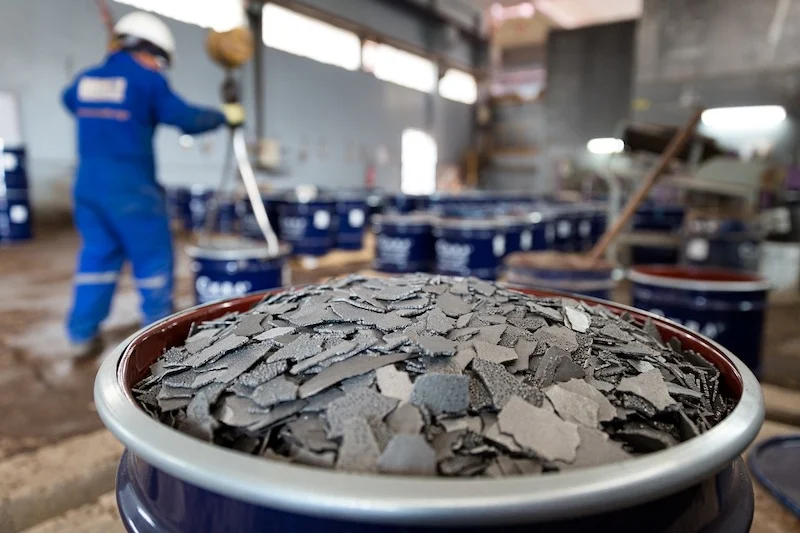
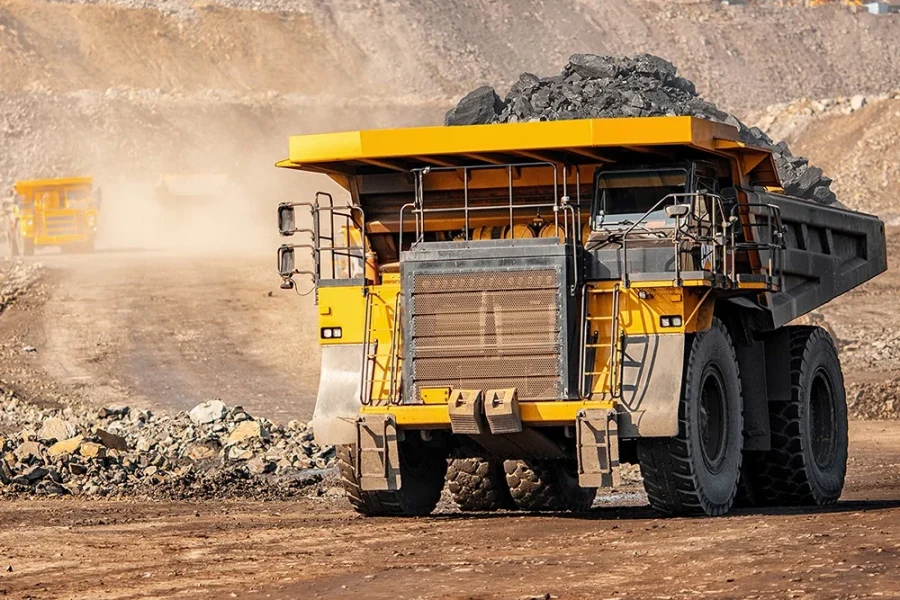
This resurgence was largely driven by a 15.4% increase in extraction industries, fueled by rising exports of phosphates and raw materials, as well as strong local demand.
The manufacturing sector also contributed positively, with an uptick in production particularly in textiles and agro-food industries. Chemical manufacturing saw a substantial growth of 9.7%, aided by falling prices for imported raw materials.
However, challenges persisted in the automotive and electrical sectors, which faced sluggish European market dynamics.
In construction, activity improved with a 4.8% year-on-year growth, reflecting a revival in both building and public works. Cement and steel usage surged, supported by increased order books and stable production prices. According to the High Commission for Planning (HCP), these trends indicate a strengthening in the construction sector’s outlook.
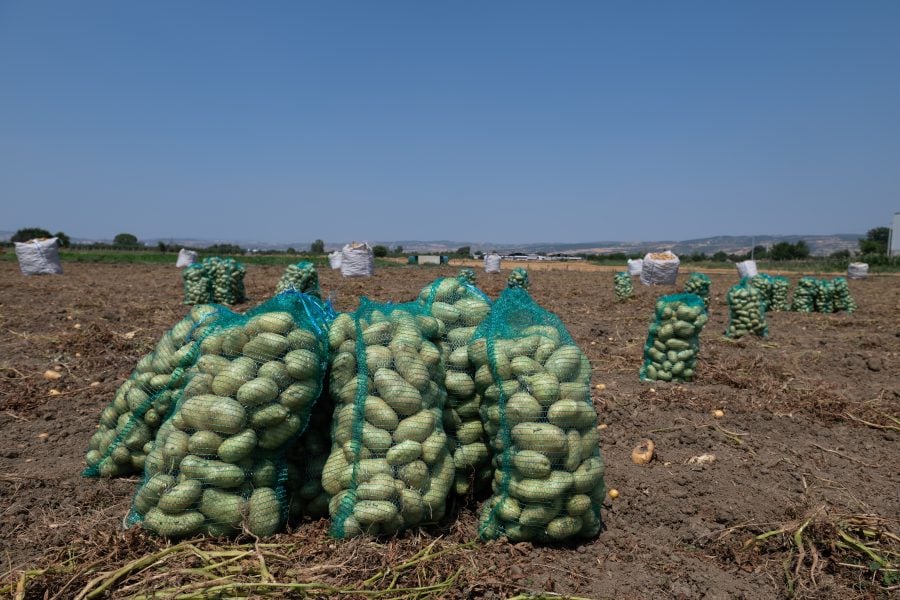
Agricultural output continued to decline, with a 4.1% contraction in the third quarter, mirroring a 4% drop in the first half of the year.
While seasonal vegetable production showed improvements, the poultry sector struggled due to supply issues, leading to a sharp 27.6% rise in chicken prices. The sector’s overall performance reflects the ongoing impacts of adverse weather conditions and decreased livestock production.
Household demand emerged as a crucial driver of economic growth in Morocco, rising by 5% in the third quarter. This increase was supported by higher wage incomes and public transfers to vulnerable households. Despite inflationary pressures, household consumption grew by 3.2%, mainly benefiting agro-food products and domestic goods.
Investment expenditures also saw a robust increase of 9.6%, indicating a positive outlook for private enterprises. Companies ramped up spending on industrial equipment, with bank loans to the non-financial sector growing by 7.5%. However, inventory accumulation was less pronounced compared to previous quarters.
Inflation, which had been on a downward trend, slightly edged up to 1.2% in the third quarter, primarily due to a 0.7% increase in food prices. The rise in meat prices, particularly poultry and red meat, contributed significantly to this inflationary rebound, amidst ongoing supply challenges.
External trade remained a drag on overall economic growth in Morocco, subtracting 2.6 points from GDP. While exports grew by 14.6%, bolstered by phosphate and textile shipments, imports also surged by 12.7%, driven by rising domestic demand for capital and food products.
This imbalance in trade dynamics led to a projected current account deficit of 4.2% of GDP for 2024.




add your comment
Terms of publication : Not to offend the writer, people, sacred things, or attack religions or the divine self, and refrain from racist incitement and insults.